

Kenya ushers in a new era of HIV prevention with arrival of long-acting injectable PrEP.
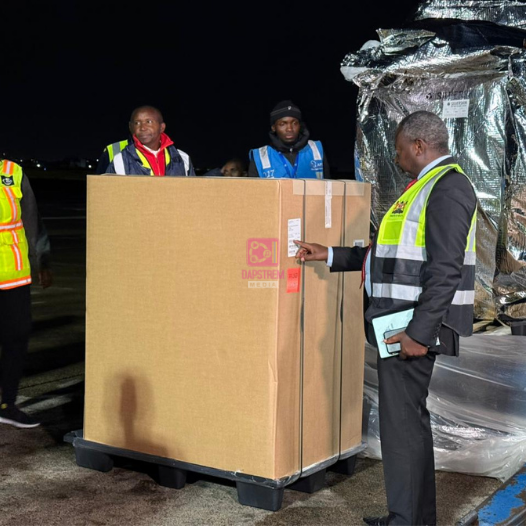
Kenya has marked a historic moment in its ongoing battle against HIV/AIDS with the arrival of the first doses of a long-acting injectable HIV prevention drug, a development that could significantly transform the nation’s HIV prevention landscape. On Tuesday, 17 February 2026, the Government of Kenya received an initial consignment of 21,000 starter doses of Lenacapavir, a twice-yearly injectable form of pre-exposure prophylaxis (PrEP) designed to protect HIV-negative individuals from contracting the virus.
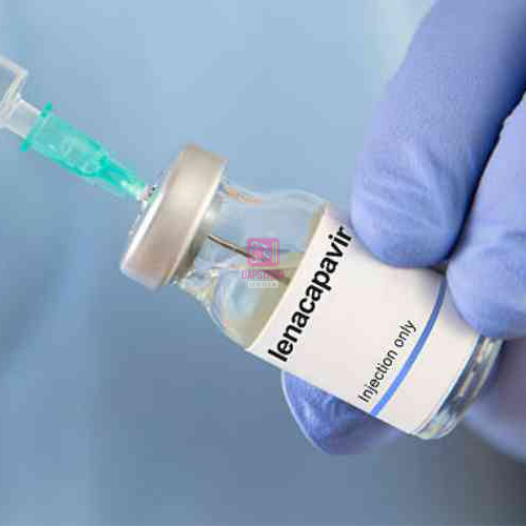
Lenacapavir represents one of the most innovative HIV prevention tools in recent years. Unlike traditional PrEP, which requires people at risk of HIV to take a pill every day, this new injectable is administered only twice per year by a trained health professional, offering up to six months of protection with a single dose. The drug works by interrupting critical stages in the HIV life cycle, preventing the virus from establishing itself in the body of someone exposed to HIV. It is not a vaccine, nor is it a cure, but a highly effective preventive option for people who are HIV-negative.
The delivery of Lenacapavir to Kenya was made possible through a partnership coordinated by the Ministry of Health, supported by the Global Fund and other international collaborators. Upon landing at Jomo Kenyatta International Airport (JKIA), the shipment was received by key health officials including Dr. Patrick Amoth, Kenya’s Director-General for Health and Medical Services, who spoke to journalists about the significance of the consignment. Alongside Dr. Amoth were representatives from the U.S. Embassy in Kenya, including Brian Rettman, Chief Program Officer, as well as officials from intergovernmental agencies who have supported Kenya’s PrEP programme.

Dr. Amoth affirmed that the country expects an additional 12,000 “continuation” doses to arrive by April 2026 to support individuals who begin the injectable regimen, and that the United States Government has committed to supplying a further 25,000 doses to strengthen the early stages of national rollout.
The introduction of Lenacapavir comes after rigorous regulatory approvals. The drug was first approved by the U.S. Food and Drug Administration (FDA) in June 2025 and subsequently endorsed by the World Health Organization (WHO) as a recommended long-acting PrEP option in July 2025. In January 2026, Kenya’s Pharmacy and Poisons Board completed its scientific review and registered both the injectable and oral forms for use nationwide.
HIV remains a major public health challenge in Kenya, where approximately 1.3 million people are living with the virus and new infections continue to occur each year despite extensive treatment and prevention efforts. Certain groups — including young women and adolescent girls, sex workers, and people in sero-discordant relationships — continue to face disproportionately high levels of risk. For these populations, adherence to daily oral PrEP has often been difficult due to stigma, forgetfulness, side effects, and lifestyle factors. Lenacapavir’s twice-yearly regimen is expected to address many of these barriers by offering a simpler, more discrete, and more adherent-friendly prevention option.
The initial rollout of Lenacapavir will be guided by epidemiological data. In the first phase, the injectable will be offered in 15 high-burden counties including Mombasa, Kilifi, Machakos, Nairobi, Kajiado, Nakuru, Uasin Gishu, Kakamega, Busia, Siaya, Kisumu, Migori, Homa Bay, Kisii, and Kiambu. Over time, phased expansion plans will bring coverage to additional counties, ensuring that more individuals at risk can access the new prevention tool.
The cost of Lenacapavir has also been substantially reduced through negotiated agreements and donor support. Whereas early international pricing reached tens of thousands of dollars per year, the current partner-supported price in Kenya is estimated at around KSh 7,800 per patient annually, making it a far more affordable option for public health implementation.
Health authorities stress that while Lenacapavir adds an important option to the national HIV prevention toolkit, it must be used as part of a comprehensive strategy that includes regular HIV testing, condom use, education, and treatment support for people living with HIV. The injectable does not replace antiretroviral therapy (ART) — the lifelong treatment required by people living with HIV — but rather works alongside existing prevention and care systems.
Community engagement and proper counselling will be integral as the rollout begins. Before receiving the injection, clients must test negative for HIV and receive information on the benefits, schedule, and follow-up requirements for the drug. Healthcare workers will play a vital role in ensuring proper screening, safe administration of the injection, and ongoing monitoring.
The arrival of Lenacapavir in Kenya represents both scientific progress and strengthened global cooperation. It reflects years of research, advocacy, and policy advancement aimed at improving lives and reducing HIV transmission. As the nation moves from pilot implementation into broader coverage, the hope is that this long-acting injectable will help close critical gaps in prevention, particularly among populations who have struggled with daily medication.
For Kenyan communities and health systems, the next few months will be a period of important learning and adaptation. If the early implementation succeeds in reaching those most at risk and improving prevention outcomes, Lenacapavir could become a central pillar in Kenya’s blueprint for ending the HIV epidemic — a blueprint grounded in evidence, equity, and human-centred care.