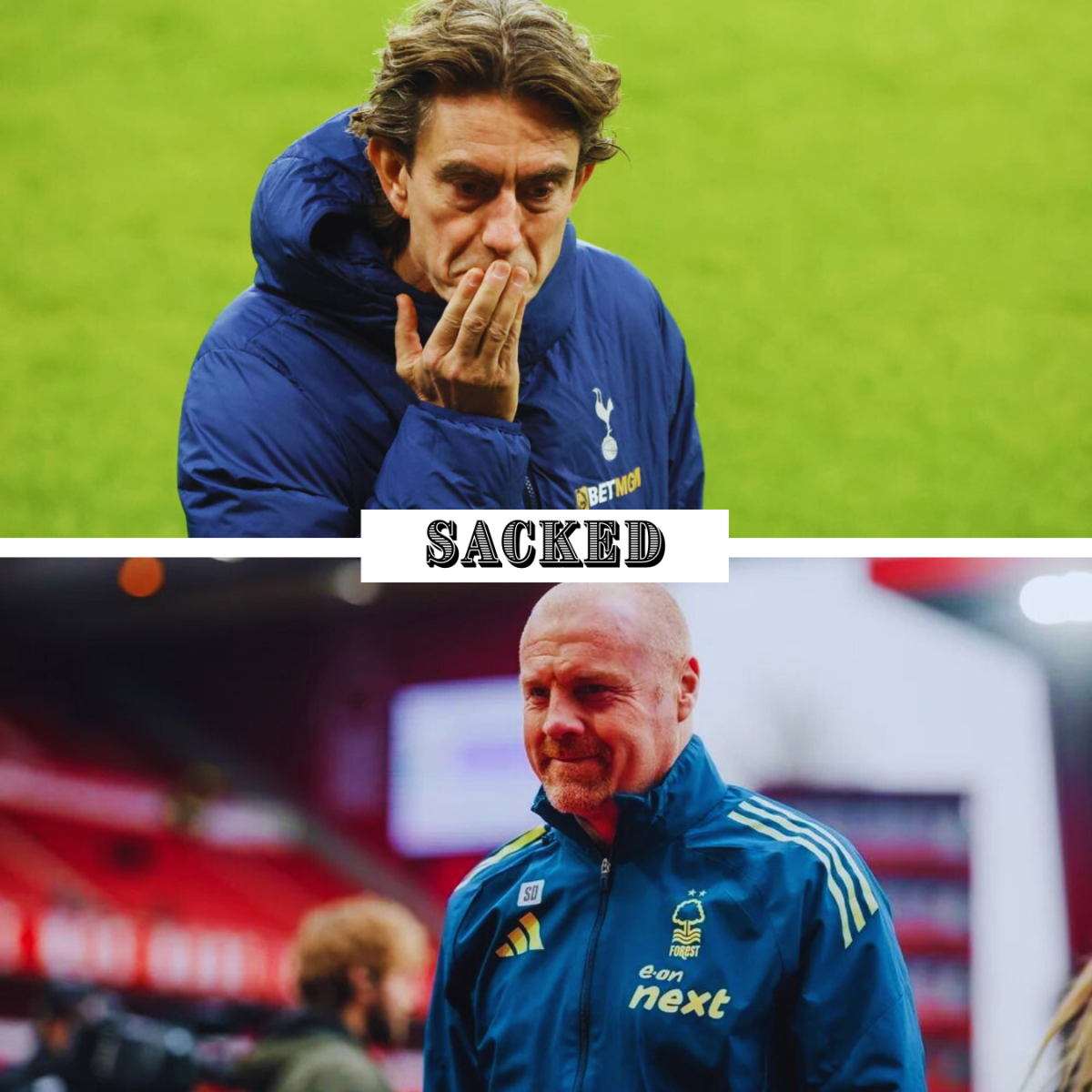
Thomas Frank Sacked by Tottenham After Eight Turbulent Months in Charge
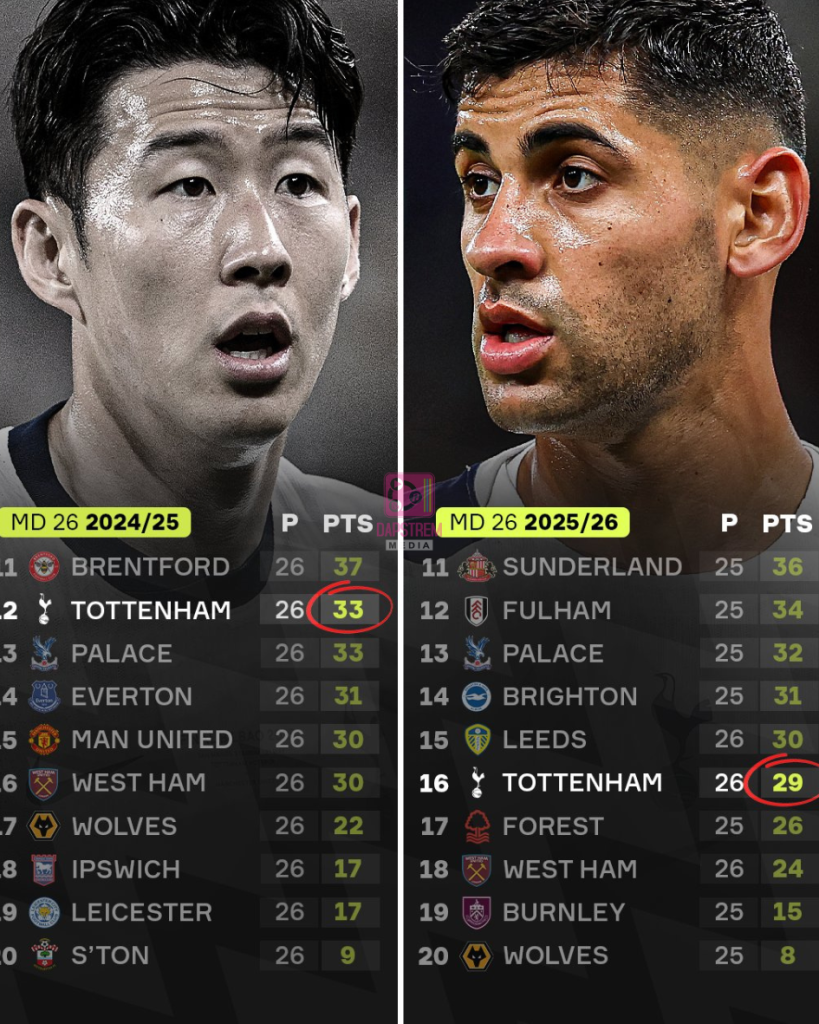
Thomas Frank’s tenure at Tottenham Hotspur has come to an abrupt end after just eight months, with the club sitting 16th in the Premier League table and only five points clear of the relegation zone.
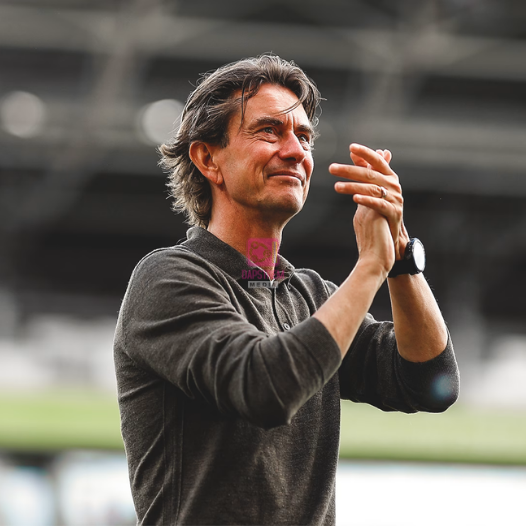
Tuesday night’s 2-1 home defeat to Newcastle United — a side that had been winless in their previous five matches — proved to be the final straw. Spurs remain without a Premier League victory in this calendar year, and the mood inside the Tottenham Hotspur Stadium had turned irreversibly sour.
During the match, boos rang out at half-time; subsequently, they continued at full-time against Newcastle. Chants of “sacked in the morning” and “we want Frank out” echoed around the ground, underlining how fractured the relationship between head coach and supporters had become.
From Promise to Pressure
Frank arrived in north London last summer as the successor to Ange Postecoglou, whose high-intensity, front-foot style had captured the imagination despite its flaws. Moreover, after a successful seven-year spell at Brentford, the Dane was viewed as a progressive appointment, because he was not only tactically astute but also capable of building a structured and competitive side.
The early signs were encouraging. A 3-0 victory over Burnley in his first Premier League game followed a spirited European Super Cup performance against Paris Saint-Germain. Optimism flickered that Spurs could blend pragmatism with purpose.
But six months on, that optimism has evaporated.
Spurs have managed only one more home league win in 13 matches at the Tottenham Hotspur Stadium. Consequently, their home record has become the third-worst in the division, which suggests relegation-level form, despite Frank’s reluctance to use that term.
A Style That Divided
Perhaps more damaging than the results themselves was the shift in identity.
Under Postecoglou, “Angeball” — relentless pressing, attacking bravery, high defensive lines — provided supporters with belief and entertainment. Under Frank, Spurs became reactive rather than proactive.
Possession numbers dropped. Passing sequences shortened. Build-up attacks diminished. Instead of forcing high turnovers, Tottenham often sat deep and absorbed pressure. Long passes and aerial duels became more prominent, mirroring Frank’s Brentford blueprint.
The attacking output suffered significantly. In November defeats to Chelsea and Arsenal, Spurs generated a combined expected goals (xG) total of just 0.17 — a damning statistic for a club built on attacking traditions.
Even more concerning, Spurs have attempted fewer through balls than any other Premier League side this season — a striking indicator of their lack of incision and creativity.
Frank did improve one area: set pieces. Tottenham have already scored more dead-ball goals than in the entirety of last season. But marginal gains from corners and free kicks could not compensate for the bluntness in open play.
Midfield Frustrations and Missed Identity
Frank frequently opted for a combative midfield pairing of João Palhinha and Rodrigo Bentancur — prioritising industry over invention. While availability issues offered some mitigation, the absence of dynamism frustrated supporters who felt the team had lost its attacking soul.
The disconnect between team and crowd became particularly visible at home.
Statistically, Spurs’ home form ranked as the worst in the league relative to their away performances. They collected 0.69 fewer points per game at home than on the road — an extraordinary disparity that underscored the psychological and tactical imbalance within the squad.
Performing like relegation candidates in north London while operating at near top-four levels away from home created an identity crisis that ultimately proved unsustainable.
The Final Straw
The Newcastle defeat crystallised months of decline. Losing at home to a struggling opponent, amid audible hostility from the stands, left the board with little room for manoeuvre.
Frank departs with Spurs hovering dangerously above the drop zone and without a Premier League win in 2026.
What began with cautious optimism has ended in frustration, fractured faith, and another managerial reset for a club still searching for stability.
For Tottenham, the next appointment must not only deliver results — it must restore belief, identity, and connection with supporters who have grown weary of transition without progress.
| Metric | Home | Away |
|---|---|---|
| Win Rate | 15% | 38% |
| Loss Rate | 54% | 31% |
| Clean-Sheet Trend | Struggling | Very strong early away run |
| Defensive Stability | Inconsistent | Compact & efficient |
Home form vs away form
Premier League this season
| Category | Home (Tottenham Hotspur Stadium) | Away | Difference / Insight |
|---|---|---|---|
| Games Played | 13 | 13 | Equal sample size |
| Wins | 2 | 5 | +3 wins away |
| Draws | 4 | 4 | Identical |
| Losses | 7 | 4 | 3 more losses at home |
| Points | 10 | 19 | +9 points away |
| Points Per Game | 0.77 | 1.46 | Almost double away |
| Table Rank (Home/Away) | 19th | 1st | Extreme polarity |
| Goals Scored* | Low output | 12 (early stretch) | More clinical away |
| Goals Conceded* | High | 3 (early stretch) | Stronger defensive control away |
| Factor | Home Issues | Away Strength |
|---|---|---|
| Game Approach | Possibly more open/attacking | More structured & reactive |
| Defensive Shape | Vulnerable | Compact and disciplined |
| Pressure Factor | Fan expectation pressure | Less psychological burden |
| Transition Play | Exposed in buildup | Effective counter-attacks |
| Game Control | Struggles to break low blocks | Comfortable absorbing pressure |
Injury issues
Frank was not helped by certain factors beyond his control. Spurs have been dogged by injuries, especially offensively.
Frank was not able to call on James Maddison or Dejan Kulusevski once during his brief tenure. Dominic Solanke also missed a large chunk of the campaign. And when the striker finally returned to action, Spurs lost Richarlison and Mohammed Kudus.
Wilson Odobert became the latest player to fall when he had to be withdrawn in Tuesday’s defeat to Newcastle.
Their current absentee list stretches into double figures and features the suspended Cristian Romero as well as the injured Pedro Porro, Bentancur, Lucas Bergvall, Djed Spence, Kevin Danso and Ben Davies, in addition to the names already mentioned.
The numbers are striking. Spurs have suffered the third-most injuries in the Premier League this season, their total of 43 putting them behind only Chelsea and Arsenal.
They are top, though, when it comes to the number of days lost. Spurs players have missed a cumulative total of 1,302 days of action this season. It all added up to make Frank’s task tougher.
That Arsenal cup
Did getting pictured holding an Arsenal cup have any bearing on whether Frank lost his job or not? No. It was a simple mistake. But it did not help his chances of building a relationship with Spurs supporters.
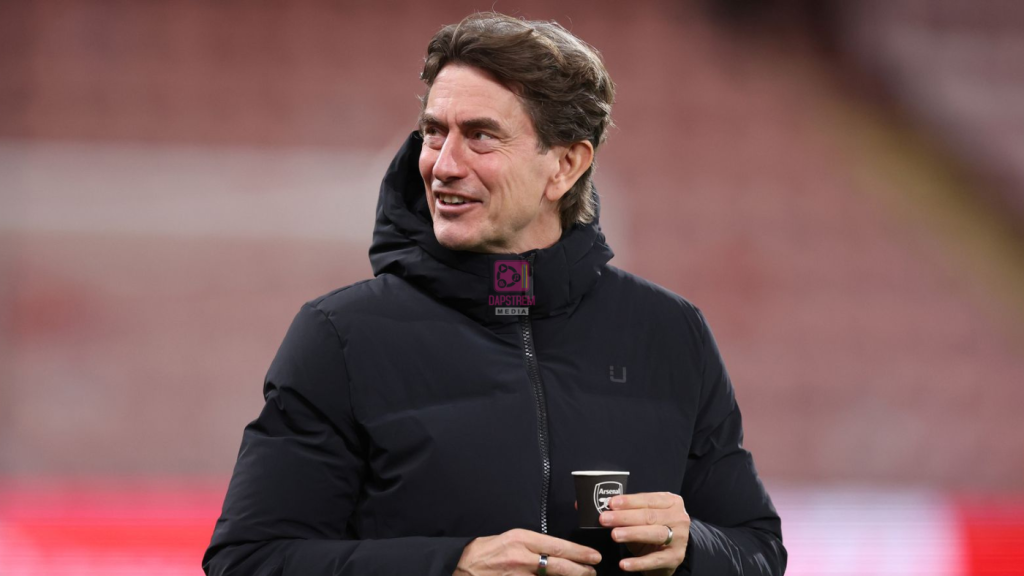
The Spurs boss drinking from a cup branded with the badge of his biggest rivals, who were flying high at the top of the league while his team struggled, was an embarrassing mishap at a sensitive time. Coupled with the fact Spurs went on to lose that game against Bournemouth, it created an unnecessary hurdle for Frank to climb.
Of course, it was an unfortunate accident. But it added to the noise around his position and gave his detractors more ammunition.
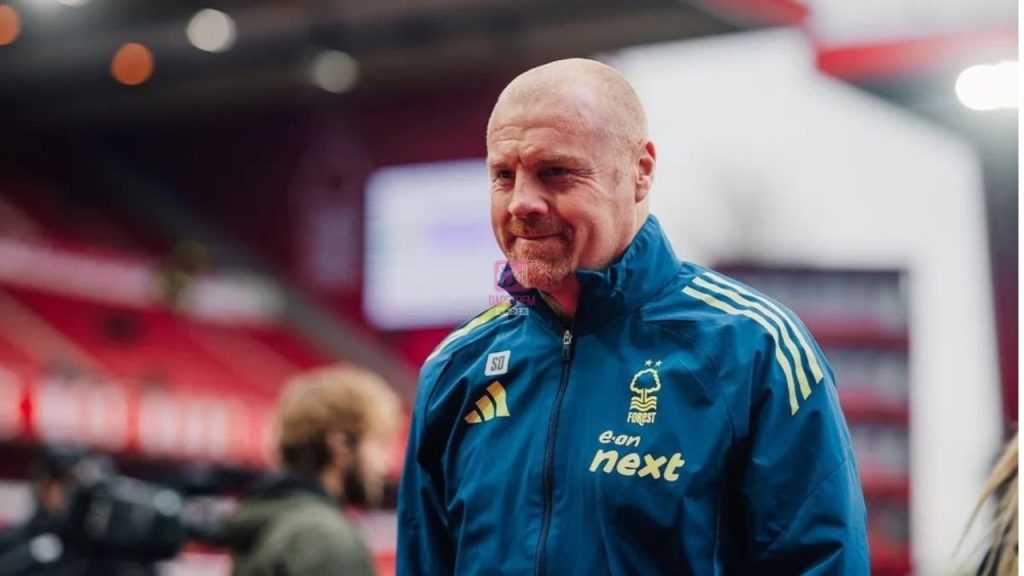
Sean Dyche sacked: Nottingham Forest sack head coach after just 114 days in charge following goalless draw with Wolves
Nottingham Forest have dismissed Sean Dyche after only 114 days at the helm, making him the third managerial casualty at the City Ground this season.
The decision follows a frustrating 0-0 draw against Wolves — a match in which Forest somehow failed to score despite registering 35 shots. The result proved to be the final straw for owner Evangelos Marinakis, who has once again opted for decisive action amid growing concerns over the club’s direction.
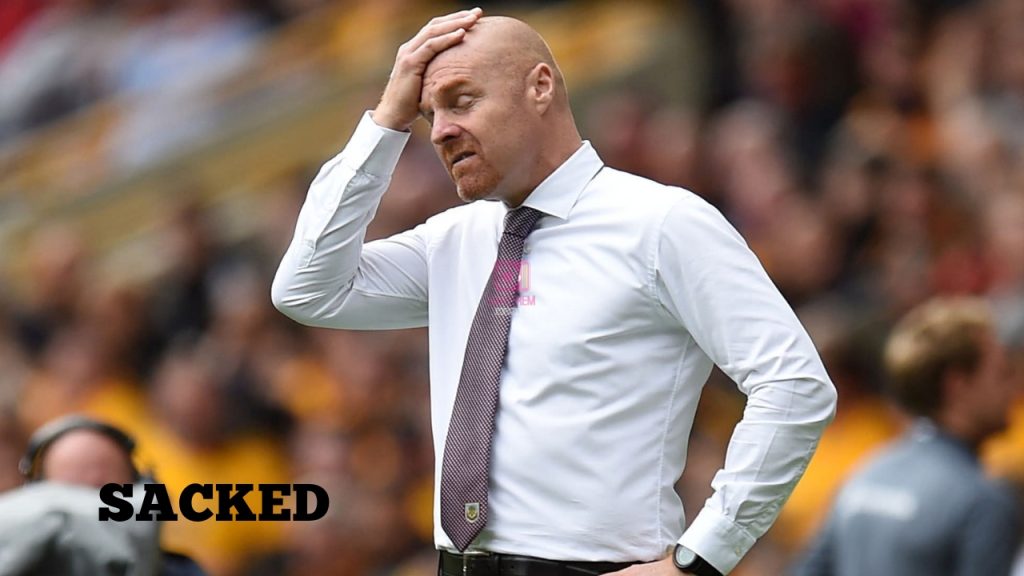
Dyche’s departure comes after a three-game winless run in the Premier League, which included draws with Crystal Palace and Wolves, as well as a damaging 3-1 defeat to relegation rivals Leeds United. Forest currently sit just three points above the relegation zone with 12 games remaining.
A Season of Instability
Dyche becomes the third manager sacked by Forest this campaign. Nuno Espirito Santo was dismissed earlier in the season, while Ange Postecoglou endured a remarkably brief 39-day spell before his own exit.
The latest change continues a pattern of volatility under Marinakis, whose impatience with underperformance has defined Forest’s turbulent season.
| Category | Value | Analysis |
|---|---|---|
| Record | 7-6-13 | More losses than wins indicates relegation-level form |
| Points | 27 | Low total after 26 matches |
| Points Per Game | 1.04 | Typically relegation-threat territory (below 1.2 PPG is risky) |
| League Position | 17th | Just above the relegation zone |
| Goal Difference | -13 | Significant negative margin |
The club now faces a seven-day break before a Europa League play-off clash with Fenerbahce next Thursday. Players have been granted time off, and no immediate developments are expected at the training ground.
Attacking Frustrations Prove Costly
Dyche was appointed with a clear mandate: secure Premier League survival and stabilise the club after a difficult first half of the campaign. His contract, running only until the end of next season, reflected the short-term nature of that objective.
However, Forest’s attacking struggles ultimately undermined his tenure.
Despite significant investment — £180 million spent in the summer window, followed by further additions in January, much of it on attacking talent — Forest have managed just 25 goals in 26 league games this season.
The inability to convert dominance into goals, most glaringly illustrated by the 35-shot blank against Wolves, intensified frustrations within the club hierarchy. A favourable run of fixtures against fellow strugglers Palace, Leeds and Wolves was viewed internally as an opportunity to create breathing space above the relegation zone. Instead, Forest collected just two points from a possible nine.
| Category | Home | Away | Analysis |
|---|---|---|---|
| Record | 3-4-6 | 4-2-7 | Slightly better away win rate |
| Points | 13 | 14 | Marginally stronger away form |
| Points Per Game | 1.00 | 1.08 | Minimal difference |
| Win % | 23% | 31% | More effective on the road |
| Loss % | 46% | 54% | Slightly more vulnerable away |
With performances failing to reflect the level of investment and the club continuing to hover dangerously close to the drop, Marinakis acted once more.
Forest now begin the search for their fourth manager of the season — a remarkable statistic that underscores a campaign defined as much by upheaval off the pitch as uncertainty on it.
Dyche’s final words as Forest boss
Nottingham Forest head coach Sean Dyche after the 0-0 draw with Wolves:
“The owner has been fair to me, without a shadow of a doubt. If anyone chooses to change in football now, that’s their decision. We’ve all seen it.
“People can demand change, and then it’s always whether they change or not. I just work very hard. I care about this club. I’ve made that clear. I’m working very hard.
“If the owner wants to make a change, then that’s up to him, and that’s the way football is now, that’s just the reality of it.
“But I’m not questioning the owner here. He’s been absolutely fair with me from the beginning to the end, and I’ve been fair with him and told him the truth every step of the way.
“Owners are owners. They don’t warm you up, it just comes, if that’s the way it goes. I’m a realist. I understand the noise here has changed significantly since the last few games.”
| Metric | Value | Interpretation |
|---|---|---|
| Goals Scored | 25 | Among lower-end attacking outputs |
| Goals Per Game | 0.96 | Less than 1 goal per match (major attacking concern) |
| Goals Conceded | 38 | Defensive instability |
| Goals Against Per Game | 1.46 | Conceding nearly 1.5 per match |
| Goal Difference | -13 | Suggests consistent underperformance |