
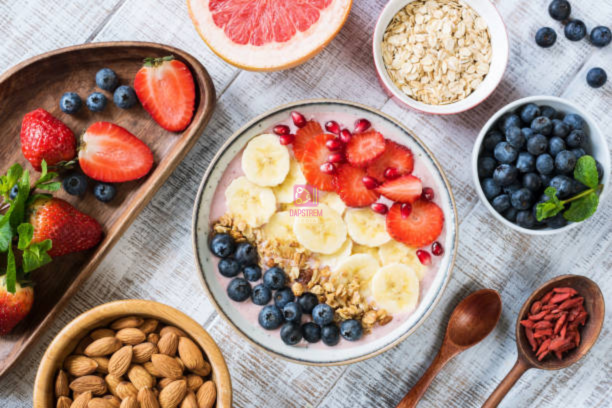
Power-Packed Breakfasts That Are Fast, Affordable, and Nourishing
A healthy breakfast is often called the “most important meal of the day,” and for good reason. According to the World Health Organization (WHO), balanced nutrition is essential for maintaining energy, supporting immune function, and preventing non-communicable diseases such as diabetes and heart disease. The Food and Agriculture Organization (FAO) further emphasizes that diversified diets—especially those rich in whole grains, fruits, vegetables, and proteins—are critical for both physical and cognitive performance.
In many African households, mornings can be especially busy. Parents rush to work, children prepare for school, and traders head early to markets. In such settings, breakfast must be quick, affordable, culturally relevant, and nutritionally adequate.
1. Oatmeal with Fruits and Nuts
Oats are increasingly available in African markets and are highly nutritious. They are rich in soluble fiber, particularly beta-glucan, which helps reduce cholesterol levels and improve heart health.
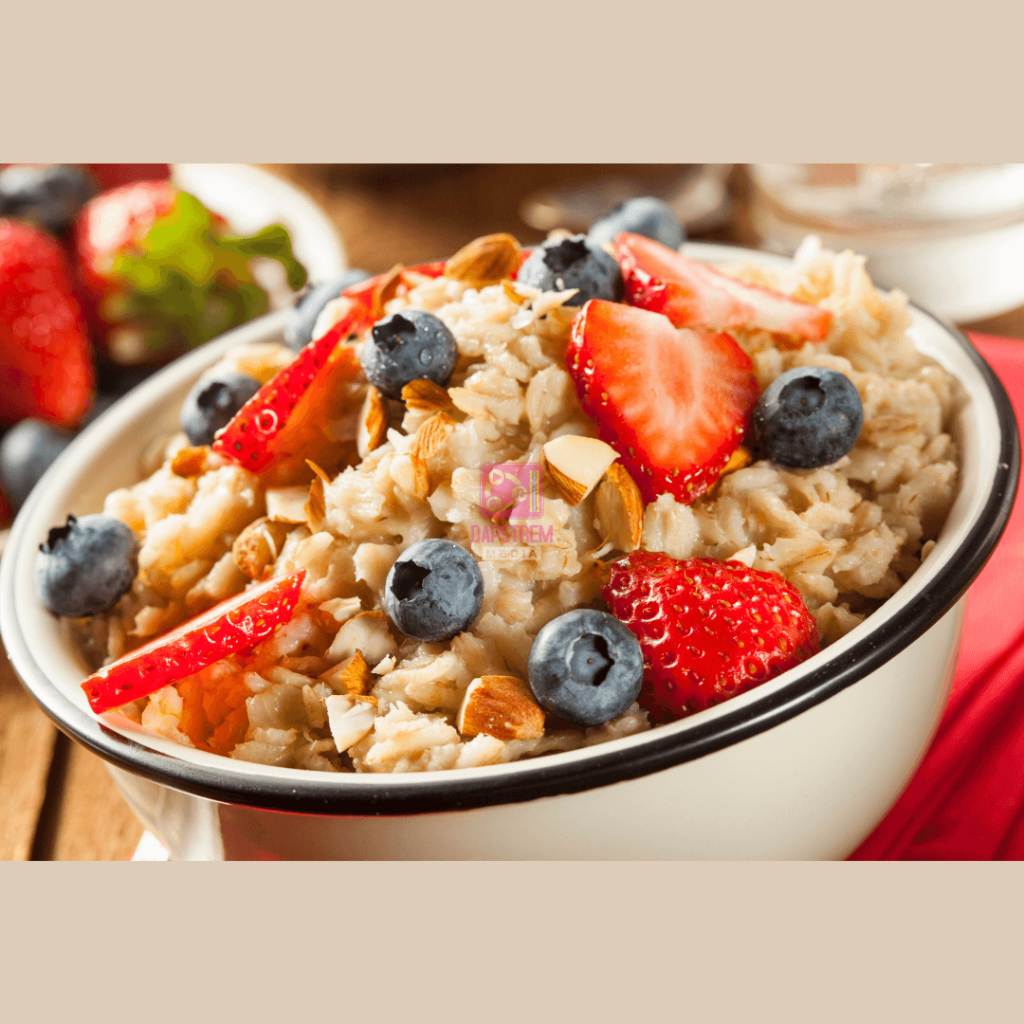
The Centers for Disease Control and Prevention (CDC) highlights that diets high in fiber reduce the risk of cardiovascular diseases and help regulate blood sugar levels. For busy mornings, oats cook in less than 10 minutes.
Example:
- Cook oats in water or low-fat milk.
- Add sliced bananas, pawpaw (papaya), or mango.
- Sprinkle groundnuts or almonds for protein.
This combination provides complex carbohydrates, healthy fats, and natural sugars for sustained energy.
2. Millet or Sorghum Porridge (Uji)
Millet and sorghum are traditional African grains widely consumed in countries such as Nigeria, Kenya, and Uganda. They are rich in iron, magnesium, and B vitamins.
According to the Food and Agriculture Organization, indigenous grains like millet are nutrient-dense and drought-resistant, making them both environmentally and nutritionally sustainable.


To boost nutritional value:
- Prepare pap (ogi) or uji with fortified flour.
- Add milk or soy milk for protein.
- Serve with boiled eggs or a handful of roasted groundnuts.
This meal supports energy production and prevents iron-deficiency anemia, which is common in parts of Africa.
3. Boiled Eggs with Whole-Grain Bread
Eggs are affordable and rich in high-quality protein. The World Health Organization notes that adequate protein intake is essential for muscle repair, immune strength, and overall development.


Quick option:
- Boil eggs in advance and refrigerate.
- Pair with whole-grain bread.
- Add avocado slices or tomatoes.
This breakfast provides protein, healthy fats, and fiber, keeping you full longer and reducing mid-morning hunger.
4. Sweet Potatoes with Groundnut Sauce
Sweet potatoes are widely grown across Africa and are rich in vitamin A, especially orange-fleshed varieties. Vitamin A is essential for eye health and immunity.
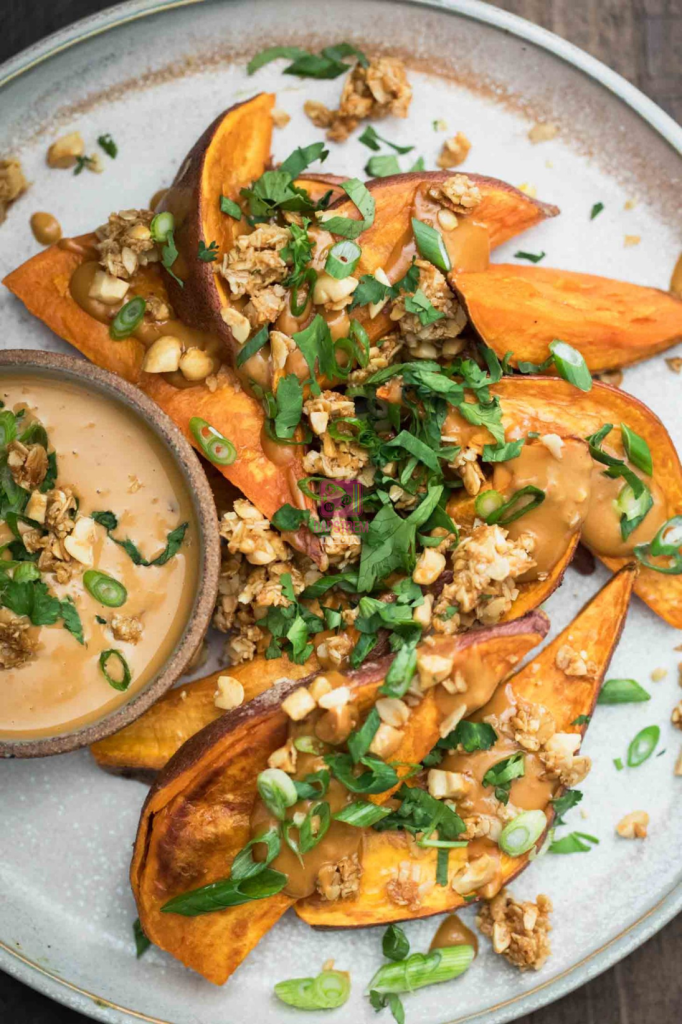
The United Nations Children’s Fund (UNICEF) promotes vitamin A-rich foods to prevent deficiencies in children.
Preparation tip:
- Boil sweet potatoes the night before.
- Warm and serve with a small portion of groundnut sauce.
This combination provides complex carbohydrates and plant-based protein, ideal for schoolchildren and working adults.
5. Yogurt with Local Fruits
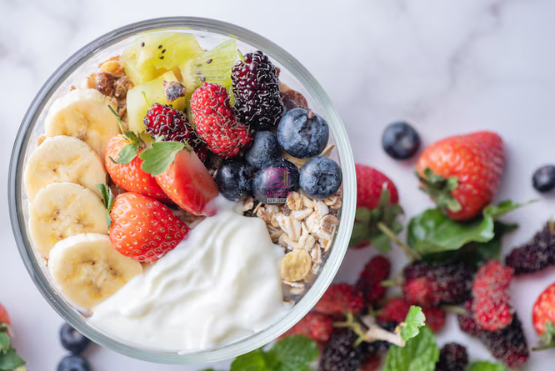
Plain yogurt is a good source of calcium and probiotics, which support gut health. The National Institutes of Health (NIH) states that probiotics contribute to improved digestion and immune function.
Example:
- Mix plain yogurt with pineapple, banana, or berries.
- Add a spoon of honey if desired.
- Include chia seeds or ground flaxseed for added fiber.
This option requires no cooking and can be packed in a container for those commuting to work.
6. Beans and bananas (Light Portion)
Beans are rich in plant protein and fiber. Regular consumption helps reduce cholesterol and manage blood sugar levels, according to the Centers for Disease Control and Prevention.
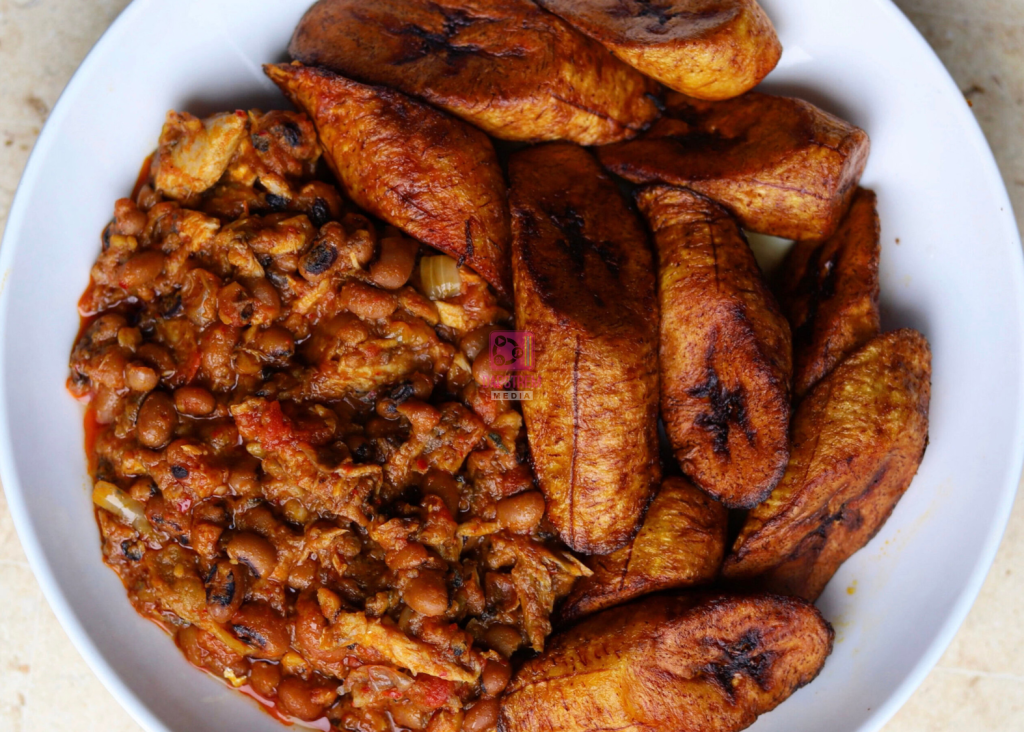
For a quicker morning option:
- Cook beans in bulk during the weekend.
- Reheat a small portion.
- Serve with boiled or grilled bananas instead of fried.
This provides sustained energy without excessive oil intake.
7. Smoothies with Leafy Greens
Smoothies are practical for busy urban settings. Use local ingredients such as spinach, kale, mango, ovacados, and groundnuts.
The World Health Organization recommends consuming at least 400 grams of fruits and vegetables daily to reduce the risk of chronic diseases.

Sample blend:
- 1 ovacado
- Handful of spinach
- 1 cup milk or soy milk
- Groundnuts
Blend and carry in a reusable bottle.
8. African Tea with Whole-Grain Sandwich
Instead of white bread and sugary spreads, choose whole-grain bread with healthier fillings:

- Avocado
- Scrambled eggs
- Sardines
- Peanut butter (unsweetened)
The American Heart Association advises limiting saturated fats and added sugars to reduce heart disease risk.
This option is portable and filling.
9. Maize Meal (Ugali, Sadza) with Vegetables and Protein
Though often eaten at lunch or dinner, a small portion of ugali or sadza can serve as breakfast in many regions. Pair it with:
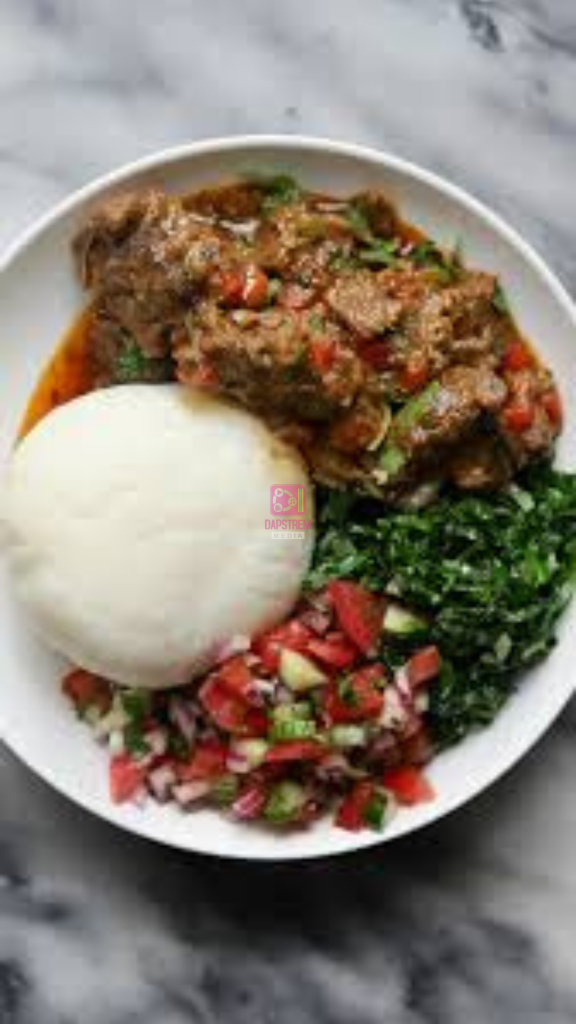
- Sukuma wiki (collard greens)
- Eggs
- Leftover grilled beef
Leafy greens provide iron and antioxidants. According to the Food and Agriculture Organization, dietary diversity improves micronutrient intake and overall health.
10. Fruit and Nut Mix with Milk
For extremely busy mornings:
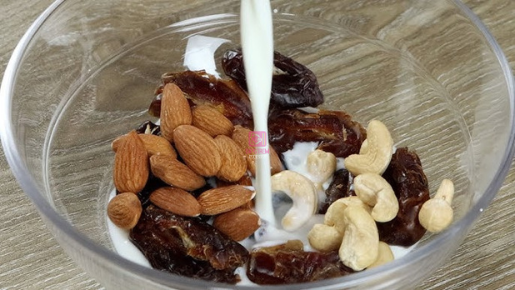
- A handful of roasted groundnuts
- Cashews or almonds
- One apple, orange, or banana
- A glass of milk
The National Institutes of Health highlights that nuts contain heart-healthy fats and reduce inflammation.
This requires no preparation and can be eaten on the go.
Key Principles for a Healthy African Breakfast
Across all these options, certain nutritional principles apply:
- Balance: Combine carbohydrates, protein, and healthy fats.
- Fiber intake: Whole grains, fruits, and vegetables support digestion.
- Reduce added sugars: Avoid sugary beverages and overly processed cereals.
- Portion control: Even healthy foods should be eaten in moderation.
- Hydration: Drink water or unsweetened beverages.
The World Health Organization stresses that unhealthy diets are a leading risk factor for global mortality. Starting the day with a balanced breakfast helps regulate blood sugar, improve concentration, and enhance productivity especially important for schoolchildren and working adults.
In an African setting, healthy breakfasts do not have to be expensive or complicated. Traditional foods such as millet, beans, sweet potatoes, and leafy greens are not only culturally familiar but also nutritionally powerful. By making small adjustments reducing oil, adding fruits, choosing whole grains, and including protein families can significantly improve their health outcomes.