

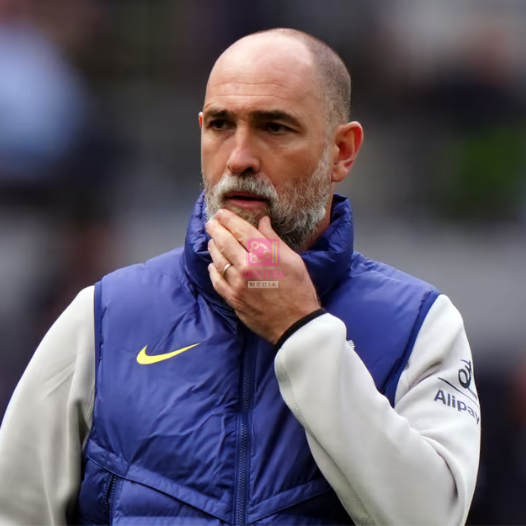
Igor Tudor Departs Tottenham Hotspur Amid Turbulent Spell and Internal Tensions
Igor Tudor has left Tottenham Hotspur with immediate effect, bringing an abrupt end to what had been a closely watched and, at times, turbulent stint at the North London club. The Croatian tactician’s departure comes amid mounting pressure, inconsistent performances, and growing uncertainty over the club’s long-term direction, leaving fans and pundits alike questioning what went wrong and what lies ahead for Spurs.
Tudor, a former defender known for his no-nonsense style during his playing days, arrived at Tottenham Hotspur with a reputation for discipline, tactical intensity, and a preference for aggressive, high-pressing football. Having previously managed clubs such as Olympique de Marseille and Hellas Verona, he was seen as a bold appointment—one capable of injecting fresh energy into a side that had struggled for consistency in recent seasons.
However, his time in North London never quite settled into a smooth rhythm. From the outset, there were signs that his demanding tactical approach would require time—something that is rarely afforded in the high-pressure environment of the Premier League. While there were flashes of promise, particularly in matches where Tottenham showed intensity and cohesion, these moments were often overshadowed by defensive lapses and an inability to maintain form over a sustained period.
Reports suggest that internal tensions may have played a role in his sudden exit. Sources close to the club indicate that disagreements over squad selection, player roles, and transfer strategy created friction behind the scenes. Tudor’s uncompromising style, while admired by some, may have also contributed to a disconnect with certain players in the dressing room. In modern football, where man-management is just as crucial as tactical acumen, such fractures can quickly escalate into larger problems.
The situation was further complicated by Tottenham’s results on the pitch. Despite having a squad filled with talent, the team struggled to establish a clear identity under Tudor. Key players appeared uncertain in their roles, and the team’s performances lacked the fluidity and confidence expected at this level. Dropped points in crucial fixtures only intensified scrutiny from supporters and the media, with many questioning whether Tudor was the right fit for the club’s ambitions.
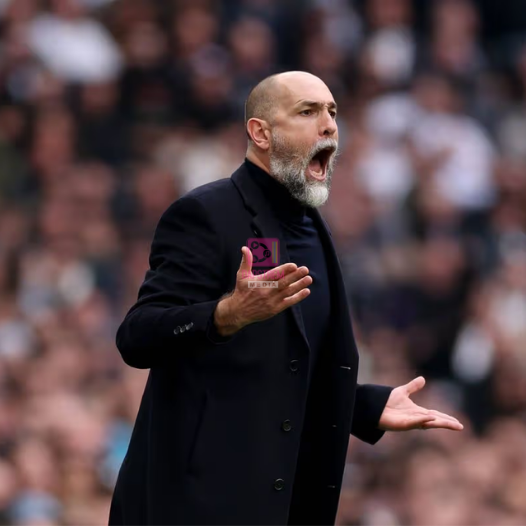
Before joining Tottenham, Tudor had built a respectable managerial résumé across Europe. His tenure at Marseille was particularly notable, where he guided the team to a strong league finish while implementing an energetic playing style that won praise for its intensity. At Verona, he transformed the team into one of Serie A’s most exciting sides, earning recognition for maximizing the potential of his squad. These achievements made his appointment at Tottenham an intriguing prospect, as the club sought to reestablish itself among England’s elite.
As a player, Tudor also enjoyed a distinguished career, most notably with Juventus, where he was part of a dominant era in Italian football. His experience at the highest level of the game has often informed his managerial philosophy, emphasizing structure, physicality, and tactical discipline. Yet, translating those principles into consistent success in the Premier League proved to be a significant challenge.
For Tottenham, Tudor’s departure once again highlights the instability that has plagued the club’s managerial position in recent years. Since the departure of long-serving managers in the past, Spurs have cycled through several high-profile coaches, each bringing a different vision but struggling to deliver sustained success. This latest change raises further questions about the club’s long-term strategy and whether a more patient, cohesive approach is needed to rebuild.
Attention now turns to who will take over the reins at Tottenham. The club’s hierarchy faces a crucial decision—whether to appoint an experienced manager capable of delivering immediate results or to invest in a long-term project with a coach who can gradually shape the squad. Either way, the next appointment will be critical in determining the direction of the club in the coming years.
For Tudor, the immediate future remains uncertain, but his track record suggests he will not be out of work for long. His tactical knowledge and previous successes in European football ensure that he remains a respected figure in managerial circles. Whether he chooses to return to a familiar league or seek a new challenge elsewhere, his next move will be closely watched.
Tudor’s time at Tottenham will likely be remembered as a bold experiment that failed to fully materialize. It serves as a reminder of how difficult it can be to impose a new philosophy in one of the most competitive leagues in the world, especially under intense scrutiny and limited time. As Tottenham regroup and look ahead, the focus will shift to rebuilding stability and rediscovering the consistency that has eluded them—while Tudor moves on, carrying with him both the lessons and the experience of his brief spell in North London.