

Studios, artists, and digital platforms intensify global competition as innovation, shifting audience habits, and AI reshape the future of content creation and distribution
A Rapidly Changing Landscape
The entertainment industry is experiencing a wave of transformation as major studios, streaming platforms, and artists adapt to rapidly shifting audience demands and technological change. In recent weeks, industry leaders have intensified competition for global audiences, signaling a new phase in the evolution of digital entertainment.
Streaming Platforms Redefine Competition
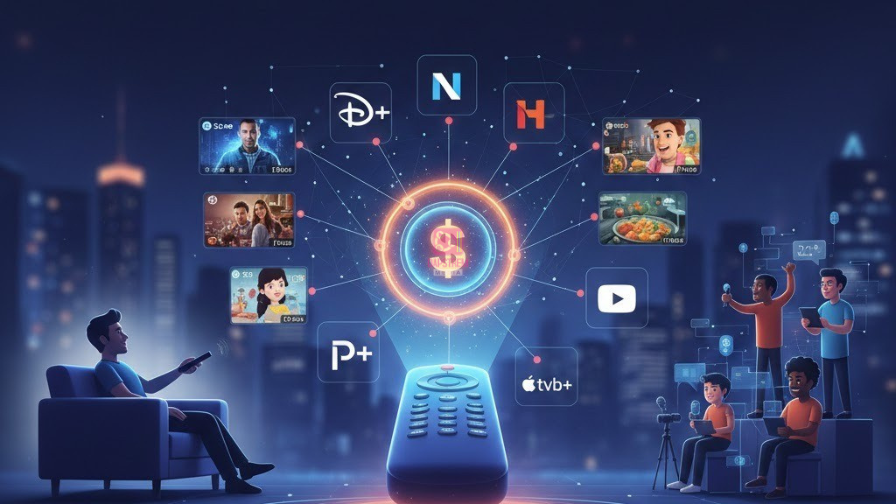
To begin with, streaming platforms continue to dominate headlines as companies expand their content libraries and experiment with pricing strategies. Several major platforms have introduced ad-supported tiers to attract cost-conscious viewers. As a result, the competition for subscribers has become more aggressive, with each service investing heavily in exclusive productions. Industry analysts note that this shift reflects a broader effort to balance profitability with audience growth. Moreover, studios are increasingly prioritizing international markets, recognizing that global audiences now drive much of their revenue.
Film Industry Adapts to New Viewing Habits
Meanwhile, the film sector is showing signs of recovery after years of disruption. Box office performance has improved steadily, particularly for blockbuster releases and franchise films. However, mid-budget films still struggle to draw theatrical audiences. Consequently, many studios are adopting hybrid release strategies, combining cinema debuts with rapid streaming availability. This approach allows companies to maximize reach while responding to changing consumer habits. At the same time, filmmakers continue to debate whether this model undermines the traditional cinematic experience.
Music Industry Sees Live Performance Boom
In addition, the music industry is witnessing a surge in live performances and global tours. Artists are capitalizing on renewed demand for in-person experiences, with concerts selling out in major cities worldwide. Furthermore, social media platforms remain central to music promotion, as viral trends can significantly boost streaming numbers. Nevertheless, concerns about revenue distribution persist, especially among independent artists who rely heavily on digital platforms for exposure.
Gaming Industry Expands Its Influence
The gaming industry, on the other hand, continues its rapid expansion. New releases and technological innovations are driving engagement, while esports tournaments attract millions of viewers online. As a result, gaming companies are securing major sponsorship deals and expanding into new markets. Additionally, the integration of virtual reality and augmented reality is opening new possibilities for immersive entertainment experiences.
Artificial Intelligence Reshapes Production
At the same time, artificial intelligence is becoming an increasingly influential force across the industry. Companies are using AI tools to analyze audience preferences, generate content ideas, and streamline production processes. While this technology offers efficiency and innovation, it also raises ethical questions about creativity and job security. Therefore, industry stakeholders are actively discussing how to balance technological advancement with the protection of human talent.
Representation and Inclusivity in Focus
Finally, issues of representation and inclusivity remain at the forefront of industry conversations. Audiences are demanding more diverse stories and equitable opportunities for creators from different backgrounds. In response, studios and production companies are implementing initiatives aimed at increasing representation both on-screen and behind the scenes. Although progress is evident, experts argue that sustained commitment is necessary to achieve meaningful change.
The Future of Entertainment
Finally, the entertainment industry is navigating a period of rapid change marked by innovation, competition, and cultural shifts. As streaming services expand, theaters adapt, and technology reshapes production, the sector continues to redefine how content is created and consumed. Ultimately, its ability to evolve while addressing ongoing challenges will determine its future direction in an increasingly interconnected world.