Court of Appeal rules High Court erred in freezing Mike Sonko’s Sh537 million, ordering release of assets linked to disputed proceeds of crime case
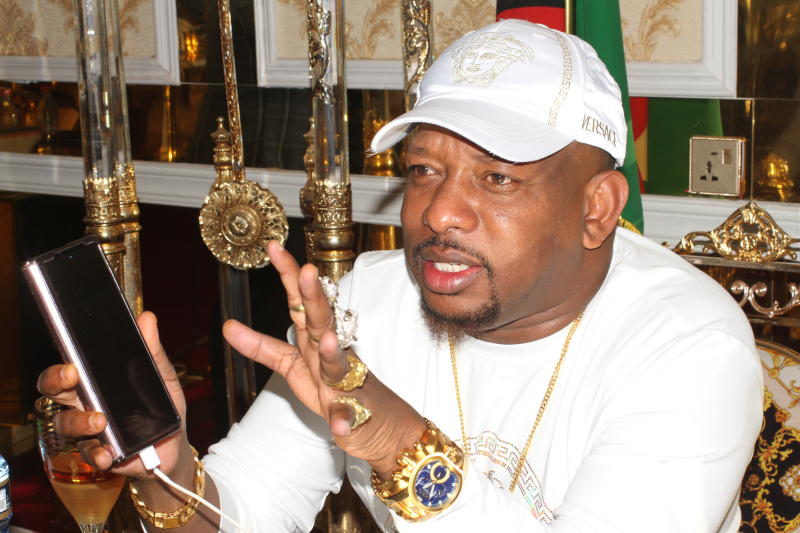
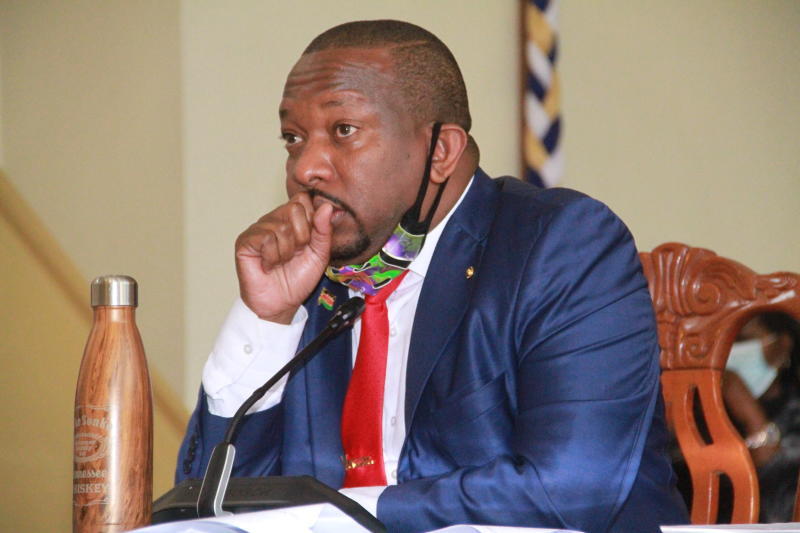
The Court of Appeal of Kenya has delivered a significant ruling in a high-profile legal battle involving former Nairobi Governor Mike Sonko, ordering the unfreezing of assets worth Sh537 million that had been under scrutiny for years. The decision marks a major development in the long-running dispute between Sonko and the Assets Recovery Agency (ARA), which had claimed that the funds were proceeds of crime.
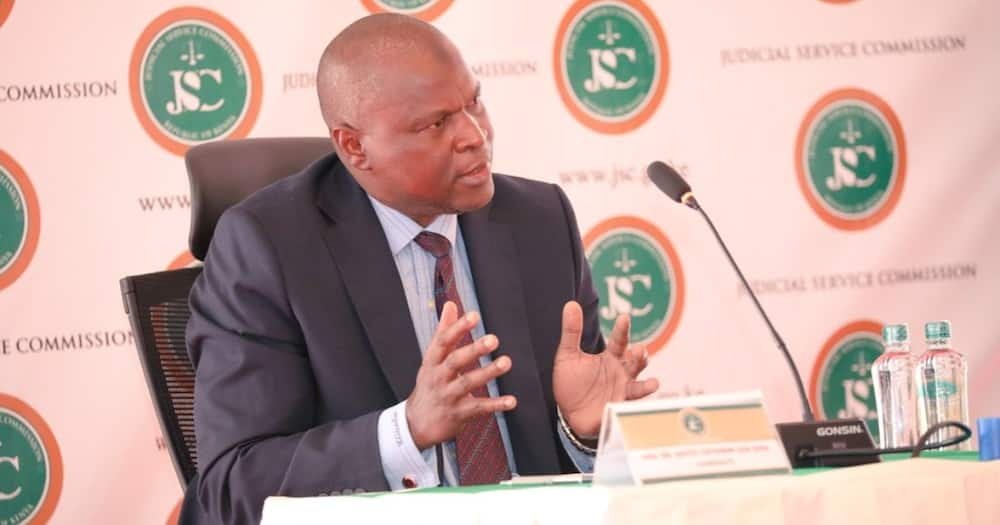
In its ruling, the appellate court found that the High Court of Kenya had erred when it granted orders allowing the continued freezing of the assets. The judges determined that the High Court’s decision to issue a stay order lacked sufficient legal grounding, effectively prolonging restrictions on Sonko’s accounts and properties without proper justification under the law. This finding has now paved the way for Sonko to regain access to the funds, bringing relief after years of legal uncertainty.
The case dates back several years, when the Assets Recovery Agency moved to court seeking to preserve millions of shillings linked to Sonko, arguing that the wealth could not be satisfactorily explained and was suspected to have been acquired through corrupt dealings during his time in public office. The agency secured preservation orders that froze multiple bank accounts and properties associated with the former governor, pending the determination of the case.
In 2023, the High Court ruled in favor of maintaining the freeze, granting orders that effectively barred Sonko from accessing the Sh537 million as investigations and legal proceedings continued. The court held that the Assets Recovery Agency had established a reasonable basis to suspect that the funds were linked to unlawful activities, and therefore justified their preservation under proceeds of crime and anti-money laundering laws. This ruling was a major setback for Sonko, who has consistently denied any wrongdoing and maintained that his wealth was legitimately acquired through business ventures and other lawful means.
However, Sonko challenged the decision at the Court of Appeal, arguing that the High Court had misapplied the law and violated his rights by extending the freeze without conclusive proof of criminal conduct. His legal team contended that preservation orders are not meant to be punitive or indefinite, but rather temporary measures that must be supported by clear and compelling evidence within a reasonable timeframe.
The Court of Appeal, in its 2026 judgment, agreed with Sonko’s arguments, emphasizing the need for courts to carefully balance the state’s interest in combating corruption with the protection of individual property rights. The judges noted that while the fight against illicit wealth is critical, legal procedures must be strictly followed to prevent abuse and ensure fairness. By finding that the High Court had erred, the appellate court effectively lifted the restrictions on Sonko’s assets, allowing him access to the contested funds.
The ruling is likely to have far-reaching implications for how asset recovery cases are handled in Kenya. It underscores the judiciary’s role in safeguarding due process while also reinforcing the importance of timely and well-substantiated investigations by agencies like the Assets Recovery Agency. Legal experts suggest that the decision could set a precedent requiring stricter scrutiny of preservation orders and limiting the duration for which assets can be frozen without a conclusive determination.
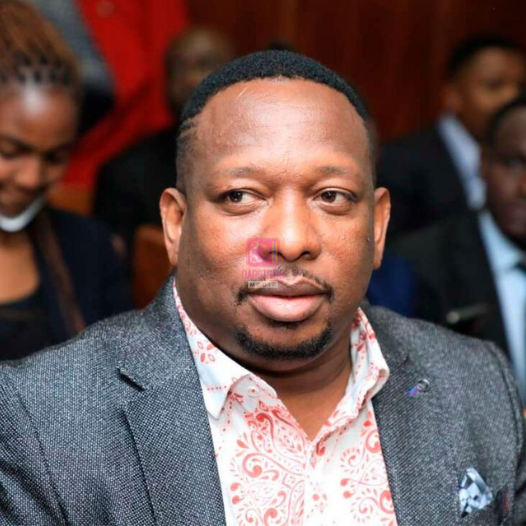
For Sonko, the judgment represents a significant legal victory and a boost to his long-standing defense against corruption allegations. The former governor, once a powerful political figure in Nairobi, has faced multiple legal and political challenges, including impeachment and several court cases. This latest development may influence both his public image and his future political prospects.
At the same time, the Assets Recovery Agency may still pursue other legal avenues if it believes there is sufficient evidence to support its claims. The broader fight against corruption in Kenya remains a priority for the government, and cases such as this highlight the complexities involved in tracing, freezing, and ultimately recovering suspected illicit wealth.
As the dust settles on this case, attention will likely turn to how investigative agencies build their cases and how courts interpret the laws governing proceeds of crime. The Court of Appeal’s decision serves as a reminder that while the pursuit of accountability is essential, it must always be carried out within the bounds of the law, ensuring justice for all parties involved.