Nairobi Seals Strategic Cooperation Deal with National Government
The Nairobi County Government and the National Government have today signed a landmark cooperation agreement aimed at improving service delivery, strengthening infrastructure, and accelerating development in the capital. The process was led by Nairobi Governor Johnson Sakaja, Prime Cabinet Secretary Dr. Musalia Mudavadi, Cabinet Secretary for Devolution and Arid Areas Mohamed Mohamud, and President William Ruto, who all emphasized the importance of collaboration to address the city’s pressing challenges and deliver tangible results for residents.
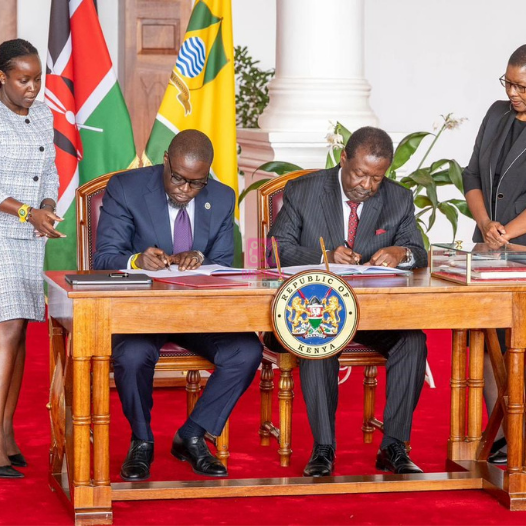
The deal signals a renewed commitment to collaboration between the two levels of government, with leaders emphasizing that Nairobi’s challenges require joint solutions rather than parallel efforts. As Kenya’s capital and economic hub, Nairobi plays a critical role in national growth, yet it continues to face persistent problems including traffic congestion, flooding, waste management gaps, housing shortages, and pressure on health services.
Under the new cooperation framework, both governments agreed to coordinate closely in key sectors such as transport, housing, healthcare, security, and urban planning. The agreement is expected to streamline overlapping mandates and reduce bureaucratic friction that has in the past slowed down major projects within the city.
One of the central pillars of the agreement focuses on infrastructure development. The National Government committed to supporting large-scale road upgrades, expansion of critical highways linking Nairobi to neighboring counties, and improved public transport systems. This includes closer coordination with agencies responsible for urban roads, highways, and rail transport to reduce congestion and improve mobility within the city.
Affordable housing also featured prominently in the deal. The two governments agreed to fast-track housing projects under the national housing agenda, with Nairobi County providing land and local approvals while the National Government mobilizes financing and technical expertise. The partnership aims to deliver more affordable housing units, upgrade informal settlements, and improve basic services such as water, sanitation, and electricity in underserved areas.
Healthcare collaboration is another key component of the agreement. Nairobi County will continue managing county health facilities, while the National Government pledged additional support in upgrading referral hospitals, expanding medical equipment, and strengthening emergency response systems. The cooperation is expected to improve access to quality healthcare for city residents and reduce strain on existing facilities.
Security and urban order also form part of the pact. The two governments agreed to enhance coordination between county enforcement officers and national security agencies to address crime, illegal dumping, unauthorized construction, and encroachment on public land. Leaders noted that a secure and orderly city is essential for attracting investment and protecting livelihoods.
Environmental management and climate resilience were also highlighted. Nairobi has experienced frequent flooding in recent years, largely due to poor drainage, blocked waterways, and rapid urbanization. The agreement outlines joint efforts to rehabilitate river systems, expand drainage infrastructure, and enforce urban planning regulations. The governments also committed to scaling up waste management reforms, including better collection systems and support for recycling initiatives.
Revenue sharing and financial transparency were discussed as part of the cooperation framework. Both sides agreed to improve data sharing, enhance accountability, and ensure that resources allocated to Nairobi projects are utilized efficiently. The partnership seeks to eliminate duplication of roles and promote coordinated budgeting for shared priorities.
Leaders who witnessed the signing described the agreement as a turning point in intergovernmental relations, emphasizing that political differences should not derail development. They noted that residents of Nairobi expect tangible results, not institutional disputes. The message was clear: service delivery must come first.
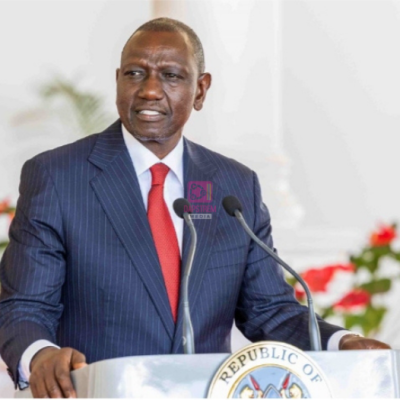
President William Ruto welcomed the cooperation deal, describing it as a critical step toward restoring efficiency and accelerating development in the capital. He said Nairobi holds a unique position as the political and economic heart of Kenya, and therefore requires close coordination between the two levels of government. The President emphasized that the agreement is not about politics, but about service delivery, accountability, and delivering tangible results for residents. He noted that through joint planning, shared resources, and disciplined implementation, the partnership would unlock stalled projects, improve infrastructure, and ensure that Nairobi becomes a cleaner, safer, and more organized city.
President William Ruto also announced a major investment in Nairobi’s street lighting, stating, “We are committing Ksh 3.7 billion towards streetlighting modernization and expansion in Nairobi County. Under this agreement, we will complete 10,000 existing lights and install an additional 40,000 new lighting points. We will also transition progressively to solar solutions. From now on, there will be no road constructed without proper lighting.” He emphasized that this initiative will enhance safety, reduce accidents, and make Nairobi a more secure and well-lit city for residents and commuters.
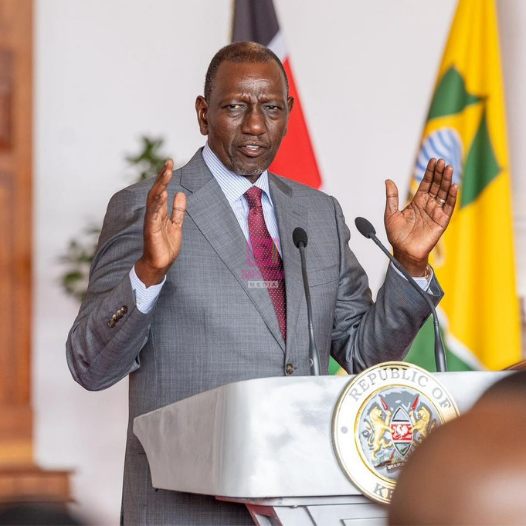
He also directed the Cabinet Secretary for Interior to present a framework within 60 days for the establishment of a dedicated Nairobi Metropolitan Police Unit. The specialized unit will focus on enhancing security, tackling crime, and ensuring law and order across the city. This initiative forms part of a broader commitment to make Nairobi safer for residents, businesses, and commuters, reinforcing the partnership between the county and national government in maintaining urban security.
The cooperation deal comes at a time when Nairobi continues to expand rapidly, with population growth putting pressure on infrastructure and social services. By aligning strategies and pooling resources, the two governments aim to unlock the city’s full potential as a regional business and innovation hub.
If implemented effectively, the agreement could transform Nairobi into a more livable, efficient, and globally competitive city. However, much will depend on consistent follow-through, transparent implementation, and sustained political goodwill.
For residents, the hope is simple. They want smoother roads, cleaner neighborhoods, safer streets, better healthcare, and more affordable housing. The cooperation agreement offers a framework to achieve these goals. Now, attention turns to execution.
The coming months will reveal whether this renewed partnership delivers meaningful change or remains another promising document on paper. For now, today’s signing marks a significant step toward unified governance in Kenya’s capital.