Drought in Northern Kenya Worsens as Pastoral Communities Face Livelihood Collapse
Across the sprawling arid plains and rugged landscapes of northern Kenya, an age-old way of life — pastoralism — is facing an existential threat. For generations, the communities of counties such as Turkana, Mandera, Wajir, Garissa, Marsabit, and Isiolo have sustained themselves by moving with their herds in search of pasture and water, nurturing livestock as both a livelihood and a cultural identity. Livestock — cattle, goats, sheep, camels and donkeys — are more than economic assets here; they are food, savings, social capital, and security. Yet today, relentless drought is dismantling this centuries-old system and with it the hopes of millions.
In late 2025 and into 2026, Kenya experienced one of the driest rainy seasons on record. The October–December rains delivered only 30–60% of their long-term average, leaving herders to watch helplessly as parched earth replaced grazing lands and water sources dried up across massive swathes of the country. It wasn’t just the traditional drought regions in the far north: even counties historically less drought-prone felt the heat, signalling that climate change is reshaping Kenya’s weather patterns in unpredictable and dangerous ways.
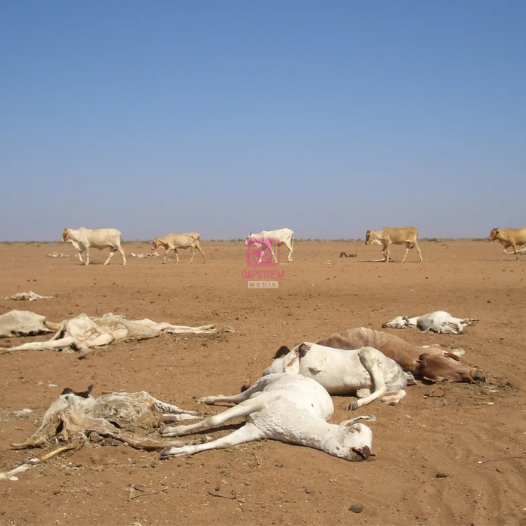
In northern counties like Mandera, the suffering is visible and immediate. Thousands of livestock have perished, particularly in sub-counties such as Lafey, Banisa, and Mandera North, where more than 25,000 animals have died as of early 2026. Herders describe once-healthy herds reduced to emaciated shadows, bringing down the price of livestock and stripping families of their capital. Goats that might have fetched high prices are now barely worth a fraction of their former value. Without animals to sell or milk to consume, food insecurity deepens, and pastoralists — once masters of navigating harsh environments — find themselves struggling to survive.
The situation is equally dire in Garissa County, where prolonged dry spells have worsened already fragile food and water security. In a region where rain-fed agriculture is inherently difficult, grazing lands are rapidly degrading, and erratic rainfall only compounds existing vulnerabilities. Chronic food shortages and economic hardship are becoming the norm, forcing families to make impossible choices between selling their few remaining animals and keeping them alive.
In Turkana, a once-vibrant pastoral economy is collapsing under drought’s weight. Older herders recount stories of walking for days in search of water, of livestock collapsing along drying riverbeds, and of families depleting every reserve to survive. These are not isolated anecdotes; they reflect a broader truth: drought is pushing traditional pastoral systems to the brink.
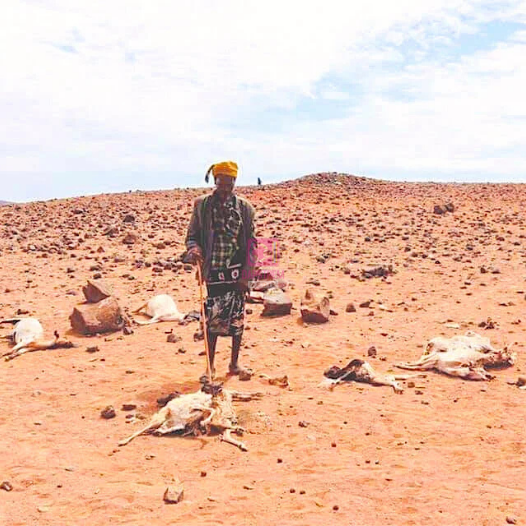
The impact goes far beyond livestock numbers and market prices. As animals die or are sold cheaply, pastoral families lose their primary sources of milk, meat, and income, driving up hunger and malnutrition — especially among children under five and the elderly. According to recent health assessments, over two million Kenyans now face acute food insecurity, with rising malnutrition rates and increased risk of disease outbreaks. Water shortages force women and children to walk longer distances to fetch scarce water, exposing them to exhaustion, health risks, and safety threats.
This crisis underscores a painful truth: pastoral mobility — the practice of moving herds in search of pasture — which once ensured survival through dry seasons, is now under intense pressure. Changing climate patterns make rains unreliable, and once-predictable seasonal movements no longer guarantee access to water or forage. The Deputy Governor of Wajir County recently warned that if these trends continue, full-time pastoralism as a viable livelihood could disappear entirely by 2050. Many families are already diversifying away from herding into small-scale farming or other income opportunities just to survive.
Climate change is a key driver of these extremes. Warmer ocean temperatures and altered weather systems make droughts longer and more severe across the Horn of Africa, while communities that contribute only a tiny fraction of global greenhouse gases bear the harshest consequences. Kenya’s pastoral regions illustrate this stark injustice: those least responsible for climate change are now on the frontlines of its impact.
Yet in the face of this devastation, stories of resilience and adaptation are emerging. Some communities are turning to camel rearing, recognizing that camels fare better in arid conditions and can offer more stable milk production than cattle amid prolonged dry spells. Others engage in fodder production, growing drought-resilient grasses to feed livestock during dry months. In Marsabit County, pastoralists have even begun small-scale farming of fruits and vegetables to supplement diets and boost household food security.
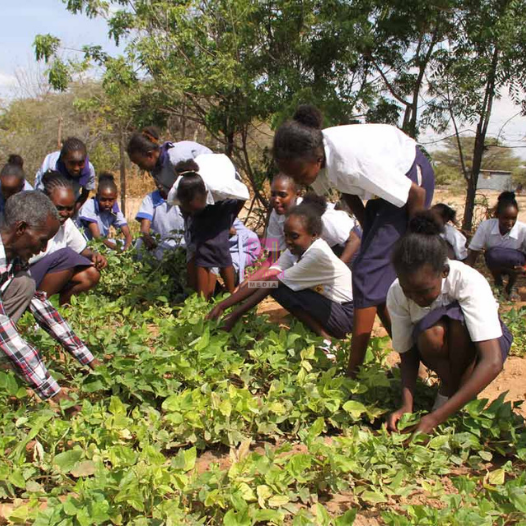
At the policy and development level, initiatives like Kenya’s DRIVE project aim to help pastoralists build resilience against drought through financial tools such as drought index insurance, digital savings, and improved market access. Covering 21 counties, including many in the arid north, the project seeks to provide early financial support during drought shocks, reducing reliance on emergency aid and helping families stay afloat even as climate pressures mount.
Despite these promising efforts, the scale of the challenge remains enormous. More must be done to strengthen water infrastructure, restore degraded rangeland ecosystems, expand health and nutrition services, and support livelihood diversification without eroding cultural identity. Investments in early warning systems, animal health services, and sustainable grazing management are also crucial to safeguard pastoral livelihoods in the long term.
The drought gripping northern Kenya is not just an environmental catastrophe — it is a human crisis that strikes at the heart of identity, tradition, and survival. Pastoralists have adapted to harsh conditions for millennia, but the accelerating pace of climate change now threatens to outpace their resilience. Supporting them requires not only emergency response but a sustained commitment to climate justice, inclusion, and economic transformation. As the Horn of Africa heats up and dries out, the world must listen to the voices of those on the ground and act before entire ways of life are lost.
Another painful effect of the drought is rising conflict and displacement. As water sources dry up, herders move farther in search of pasture. They often enter areas used by other communities. Competition over the little that remains can quickly turn violent. Cattle rustling and inter-communal clashes become more frequent. In counties like Turkana, Marsabit, and Isiolo, leaders and security teams struggle to calm tensions. Families who lose livestock now also lose their homes. Many are forced to migrate. Children drop out of school. Health services become harder to access. Communities are uprooted from the land that defines their culture and identity.
The long-term impact is even more worrying. Many young people are watching the collapse of the pastoral economy. There are fewer animals to inherit. Jobs are scarce. Some youth migrate to towns in search of casual work. Others leave school to support their families. Poverty deepens with each failed rainy season. Without strong investment in water, education, and alternative livelihoods, the crisis will grow worse. Drought is not just destroying livestock. It is threatening the future of an entire generation in northern Kenya.