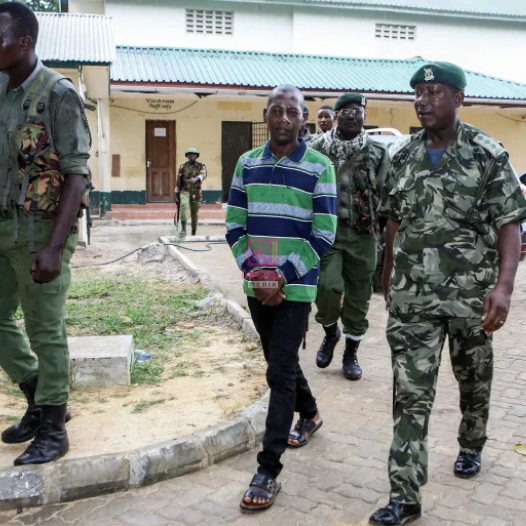
Worshippers in Migori have revived painful memories of the 2023 Shakahola tragedy,429 people lost their lives
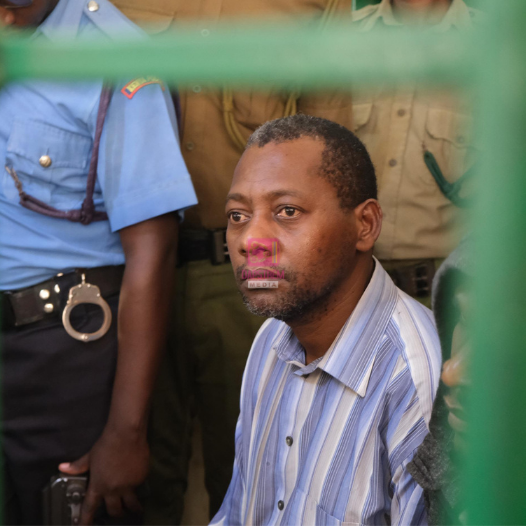
Mackenzie appeared in court with seven co-accused, and all pleaded not guilty. Furthermore, prosecutors argue that he controlled the group with strict rules that endangered followers. They also claim that Mackenzie sent instructions from prison to maintain influence and encourage dangerous practices. As a result, the court has drawn intense public attention, with citizens closely following every development.
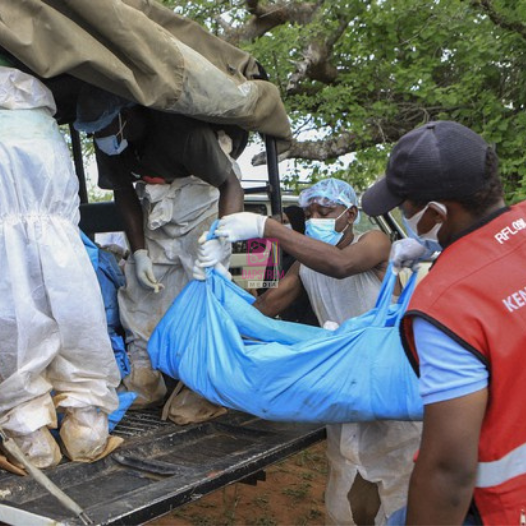
The case connects directly to the 2023 Shakahola Forest tragedy. In that incident, authorities exhumed more than 400 bodies, marking one of Kenya’s deadliest cult-related disasters. Consequently, families of the victims continue to grieve, and each new charge has intensified public anger. Investigators reveal that Mackenzie and his followers coordinated the deaths and attempted to conceal their actions.
In addition, prosecutors charge Mackenzie with organized crime and terrorism-related offences. They argue that he systematically endangered lives under the guise of religion. Meanwhile, lawmakers and human rights groups urge stronger oversight of religious institutions to prevent similar tragedies. Therefore, the case has sparked national debate on regulating radical groups and protecting vulnerable communities.
Finally, the court scheduled the next hearing for March 4, 2026. As the trial progresses, citizens remain vigilant, demanding justice for the victims. Families hope the court will hold Mackenzie and his co-accused fully accountable. Ultimately, the outcome could shape Kenya’s policies on religious accountability and public safety.