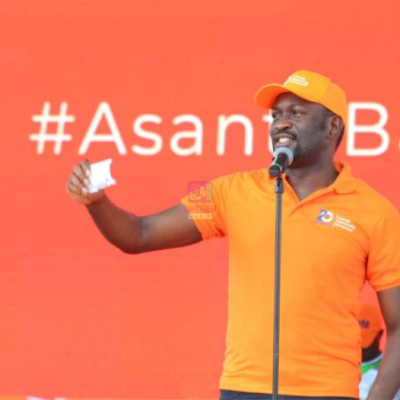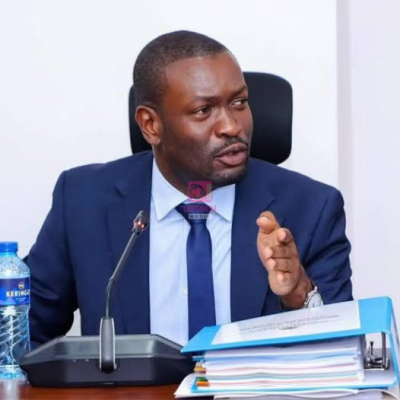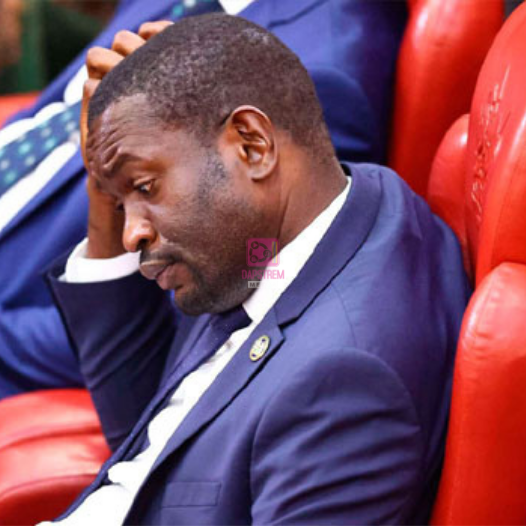
Edwin Sifuna’s ouster marks a turning point in ODM’s internal politics.
In a dramatic and highly consequential meeting held on Wednesday, 11 February 2026 in Mombasa, the Orange Democratic Movement (ODM) National Executive Committee (NEC) resolved to relieve Senator Edwin Sifuna of his responsibilities as the party’s Secretary General with immediate effect. The decision, which sent shockwaves across Kenya’s political landscape, marks one of the most significant leadership upheavals in ODM in recent years and comes at a time of intense internal debate over the party’s direction ahead of the 2027 General Election.
Edwin Sifuna has been a central and highly visible figure in ODM. Born on 22 May 1982 in Kakamega County, he built his career first as a lawyer with a Bachelor of Laws from the University of Nairobi and a Post-Graduate Diploma from the Kenya School of Law, before entering electoral politics. Sifuna first rose to national prominence as a youthful, outspoken Secretary General of one of Kenya’s largest opposition parties. His legal background and organizational acumen strengthened ODM’s administrative structures and made him a respected voice in party leadership.
The NEC’s decision does not instantly remove Sifuna from ODM membership, but it ends his tenure as the party’s chief administrative officer. The resolution was framed by party leadership as being in line with the ODM Constitution and applicable laws, citing “grave concern over rising levels of indiscipline within the party’s senior leadership.” The committee argued that the decision was necessary to uphold internal governance standards and maintain collective adherence to party structures.
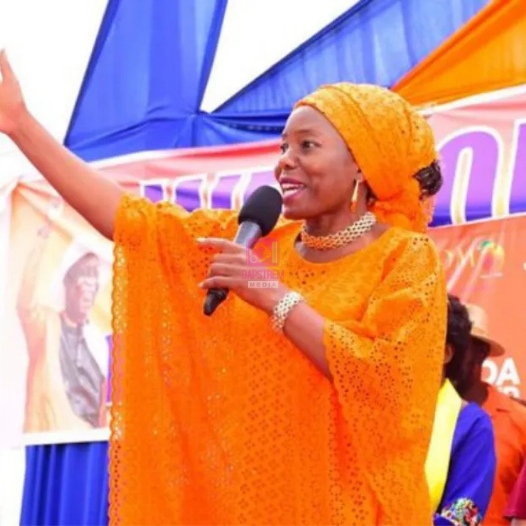
In the wake of the meeting, Hon. Catherine Omanyo, one of the Deputy Secretary Generals, will act as Secretary General until the party elects a permanent officeholder. Omanyo, who also serves as the Busia County Woman Representative, has deep roots in community development and public service, and her interim appointment signals the party’s intent to maintain continuity even as it navigates fresh political fault lines.
The timing of Sifuna’s ouster is significant. Following the passing of ODM’s long-time leader Raila Odinga in October 2025, the party has been undergoing major internal recalibrations. There has been a deepening divide within ODM over strategic alliances and political positioning, particularly regarding cooperation with President William Ruto’s United Democratic Alliance (UDA) or maintaining an independent opposition stance. Sifuna was viewed as a leading voice in the faction critical of the party’s cooperation with UDA and certain coalition arrangements.
Critics of the NEC’s decision have argued that Sifuna’s removal raises important questions about due process and internal democracy. Analysts say party officers must get a fair chance to defend themselves, which may not have happened with Sifuna. As such, Sifuna’s supporters believe he may challenge the decision in court.
In his first public response since the ouster, Sifuna took to social media to thank Kenyans for what he described as overwhelming messages of support and encouragement, and announced that he would be addressing the press to discuss the implications of the NEC’s decision. His statement reflects not only personal resolve but also the broader political currents now shaping his future.
The NEC’s meeting in Mombasa was not solely about leadership changes. It also adopted other strategic resolutions, including initiating the formal withdrawal of ODM from the Azimio la Umoja One Kenya Coalition—a political bloc that ODM previously helped shape. As the party prepares for its upcoming National Delegates Convention (NDC) in March, these developments suggest a recalibration of ODM’s identity and electoral strategy ahead of the 2027 polls.
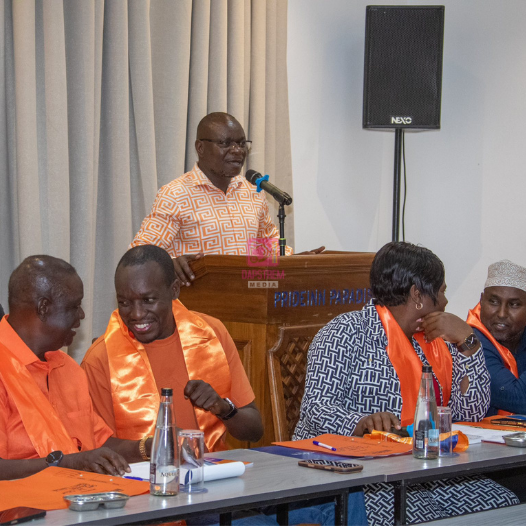
For party supporters, the removal of Sifuna represents both a culmination of ongoing internal tensions and a potential turning point in the party’s evolution. Long admired for his eloquence, advocacy on governance issues, and commitment to youth and women’s participation in politics, Sifuna’s influence on Kenyan political discourse has been considerable. However, his departure from the Secretary General post underscores the complex fault lines within ODM as it seeks a clear path in the post-Raila era.
As ODM grapples with these internal dynamics and positions itself for a pivotal election cycle, the outcome of Sifuna’s press briefing and how the party’s broader base reacts will be crucial. Whether this moment heralds further factional realignment, legal challenges, or a renewed emphasis on unity and reform, it remains a defining chapter in the party’s history and a significant development in Kenya’s broader political journey.