

Treasury Removes Kenya Pipeline from List of National Government Entities, Signaling Major Policy Shift
The National Treasury of Kenya has officially removed Kenya Pipeline Company (KPC) from the list of national government entities. The decision, which marks a significant policy shift in how the government manages state corporations, was formally announced by the Cabinet Secretary for the Treasury, Hon. John Mbadi through a revised government gazette notice.
The announcement effectively reclassifies Kenya Pipeline Company, a critical player in the country’s petroleum supply chain, altering its institutional standing and raising questions about the future of state-owned enterprises in Kenya.
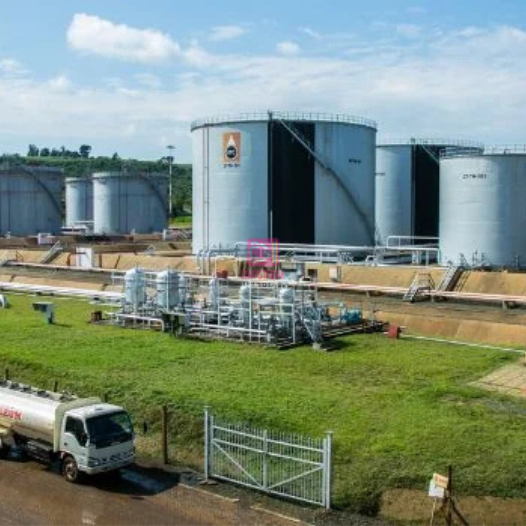
Kenya Pipeline Company has long been regarded as a strategic national asset, responsible for transporting refined petroleum products from the port of Mombasa to inland depots across the country and the wider East African region. Its inclusion among national government entities meant it operated under strict oversight by the central government, with its financials, governance, and strategic direction closely tied to Treasury control.
However, the recent decision by the Treasury signals a deliberate effort to restructure how such corporations are categorized and managed. By removing KPC from the list, the government appears to be shifting the company toward a more commercially driven model, potentially granting it greater operational autonomy while reducing direct state control.
According to Treasury officials, one of the primary reasons behind the move is the need to streamline government operations and reduce the financial burden associated with managing state corporations. Over the years, concerns have grown about inefficiencies, bloated wage bills, and governance challenges within some public entities. By reclassifying certain corporations like Kenya Pipeline, the government aims to promote efficiency, accountability, and profitability without necessarily relinquishing ownership.
Another key factor is the ongoing push for public sector reforms. The Kenyan government has been under pressure to rationalize state corporations, eliminate duplication of roles, and ensure that each entity operates within a clearly defined mandate. In this context, removing KPC from the national government entities list may be part of a broader strategy to align it with commercial state corporations that operate with more independence and are expected to generate returns.
There is also a financial dimension to the decision. Kenya has been grappling with rising public debt and fiscal constraints, prompting the Treasury to explore ways of easing pressure on public finances. By restructuring entities like KPC, the government could reduce the need for direct budgetary support while encouraging such corporations to sustain themselves through their own revenues.
Additionally, the move may be linked to ongoing efforts to prepare certain state corporations for partial privatization or strategic partnerships. While there has been no official confirmation that Kenya Pipeline will be privatized, analysts suggest that reclassification is often a preliminary step in making an entity more attractive to investors. Greater autonomy, clearer governance structures, and reduced bureaucratic control can significantly enhance investor confidence.
The decision has, however, drawn mixed reactions from stakeholders. Some industry experts have welcomed the move, arguing that Kenya Pipeline has the potential to operate more efficiently if given greater independence. They believe that freeing the company from heavy government control could enable faster decision-making, improved service delivery, and better financial performance.
On the other hand, critics have raised concerns about the potential risks. Given Kenya Pipeline’s strategic importance in the energy sector, there are fears that reduced government oversight could expose the company to mismanagement or profit-driven decisions that may not align with national interests. Questions have also been raised about transparency and whether adequate safeguards have been put in place to protect public assets.
Workers and unions associated with the company are also watching the developments closely. Changes in classification can sometimes lead to restructuring, which may affect employment terms, job security, and organizational culture. While no immediate layoffs or changes have been announced, the uncertainty surrounding the move has created anxiety among employees.
The broader implications of this decision extend beyond Kenya Pipeline Company. It signals a shift in how the government views its role in managing commercial enterprises. Rather than direct control, there appears to be a growing preference for oversight through policy and regulation, allowing companies to operate with a degree of independence similar to private sector players.
For the energy sector, the move could influence how petroleum products are distributed and priced in the long term. Kenya Pipeline plays a central role in ensuring stable fuel supply across the country, and any changes to its structure or operations will inevitably have ripple effects throughout the economy.
As the situation unfolds, attention will be on how the government balances the need for efficiency and financial sustainability with the responsibility of safeguarding strategic national assets. The Treasury’s decision, announced by Njuguna Ndung’u, marks the beginning of what could be a broader transformation of Kenya’s state corporations landscape.
Whether this move will deliver the intended benefits remains to be seen, but it undoubtedly represents a pivotal moment in the ongoing effort to reform public sector institutions and strengthen Kenya’s economic resilience.