Senator Cherargei Moves Motion to Review Uhuru Kenyatta’s Retirement Benefits Amid Political Comeback Debate
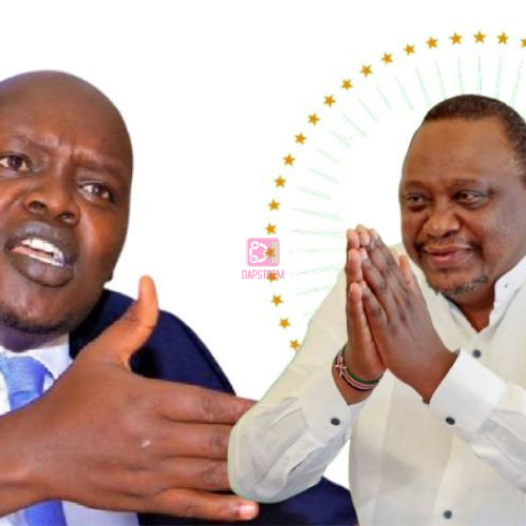
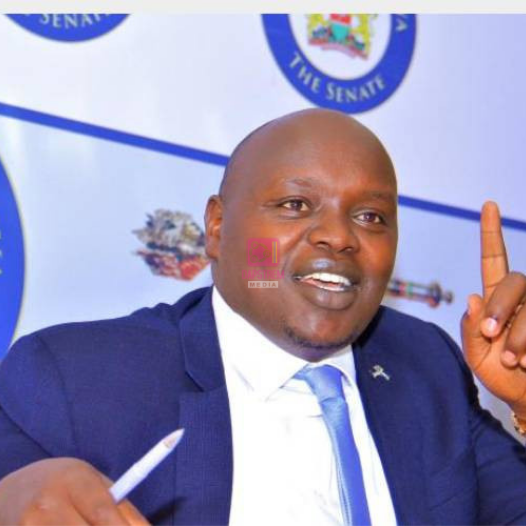
Nandi Senator Samson Cherargei has filed a motion in the Senate seeking to review and potentially reduce the retirement benefits and privileges accorded to former President Uhuru Kenyatta. The move, which has quickly ignited national debate, comes in the wake of Uhuru’s renewed political visibility and his public declarations that he intends to remain actively involved in shaping Kenya’s political direction even after leaving office.
According to the motion tabled in Parliament, Senator Cherargei is pushing for a comprehensive audit of all public resources allocated to the former head of state since his retirement. He is proposing that the Auditor-General conduct a full examination of the expenditure, benefits, and state-funded privileges provided to Uhuru Kenyatta and submit a detailed report to Parliament within 60 days. The senator argues that such scrutiny is necessary to ensure accountability in the use of public funds and to establish whether the current retirement package aligns with legal and constitutional provisions.
The proposal has sparked intense political discussion, particularly because it touches on the delicate balance between respecting former heads of state and enforcing public accountability. Under Kenyan law, retired presidents are entitled to a structured package of benefits, including security, office support, pension, and other logistical privileges, intended to ensure dignity after service. However, Cherargei’s motion seeks to question whether these benefits should be reconsidered in light of Uhuru Kenyatta’s continued involvement in active politics.
In recent months, Uhuru Kenyatta has been increasingly visible in Kenya’s political scene. Although he officially stepped down after serving two terms as president, he has continued to play a role in national and regional political engagements. He has been seen attending political gatherings, engaging with opposition-aligned leaders, and participating in discussions linked to the opposition coalition activities. His appearances at rallies and meetings, particularly those associated with the broader Azimio la Umoja political alignment, have fueled debate over whether former presidents should remain politically active after retirement.
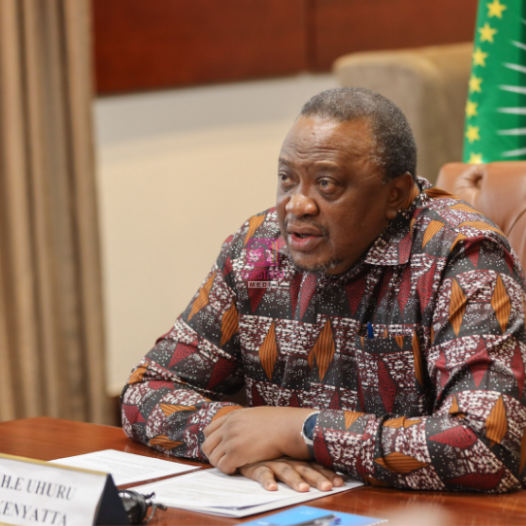
Supporters of Cherargei’s motion argue that continued political engagement by a retired president complicates the neutrality expected of former heads of state. They contend that retirement benefits are meant to support statesmanship and national unity, not political participation. From this perspective, the senator’s call for an audit is seen as a step toward ensuring that public resources are not indirectly supporting partisan political activity.
On the other hand, critics of the motion view it as politically motivated and potentially divisive. They argue that Uhuru Kenyatta, like any other citizen, retains the constitutional right to freedom of association and expression. From this standpoint, his participation in political discourse does not automatically justify the withdrawal or reduction of benefits that are legally guaranteed to former presidents. Some legal experts also caution that altering retirement packages based on political activity could set a controversial precedent that undermines institutional protections for former heads of state.
The proposal also raises broader questions about the role of retired leaders in Kenya’s democracy. Former presidents often remain influential figures due to their experience, networks, and public standing. Across Africa and globally, retired heads of state have taken on roles ranging from mediators in peace processes to political advisors and public commentators. In Kenya’s case, Uhuru Kenyatta has previously been involved in regional peace initiatives in East Africa, adding another layer of complexity to the debate about his current political engagements.
Senator Cherargei’s motion specifically directs the Auditor-General to investigate the full scope of state resources allocated to Uhuru Kenyatta, including security arrangements, office expenditure, staff allocations, and any other publicly funded support systems. The requirement for a 60-day report timeline underscores the urgency with which the senator wants the matter addressed, though parliamentary processes may determine how quickly or extensively the motion is debated.
Political observers note that the motion is likely to deepen ongoing debates about the boundaries between retirement, accountability, and political participation in Kenya’s governance framework. It also comes at a time when national politics remain highly dynamic, with shifting alliances and increasing scrutiny of public expenditure.
As the motion awaits further debate in the Senate, attention is now turning to how other legislators will respond. Whether it gains sufficient support to proceed to the next stage or is amended, delayed, or dismissed, the discussion it has triggered is already shaping public discourse on the privileges of former presidents and the expectations placed upon them after leaving office.
For now, the issue sits at the intersection of law, politics, and public accountability—raising fundamental questions about how Kenya defines the role of its former leaders and how far their engagement in active politics should extend while still benefiting from state support.