

WRC Safari Rally Stage 3 Cancelled After Heavy Rains Leave Naivasha Roads Impassable
The 2026 edition of the Safari Rally Kenya has already delivered dramatic developments after organizers cancelled Stage 3 (SS3) following heavy rains that left sections of the rally route in poor and unsafe condition. The stage, known as Camp Moran 2, was scheduled to run on Friday morning around the Naivasha area but had to be called off after officials assessed the damage caused by the overnight rainfall.
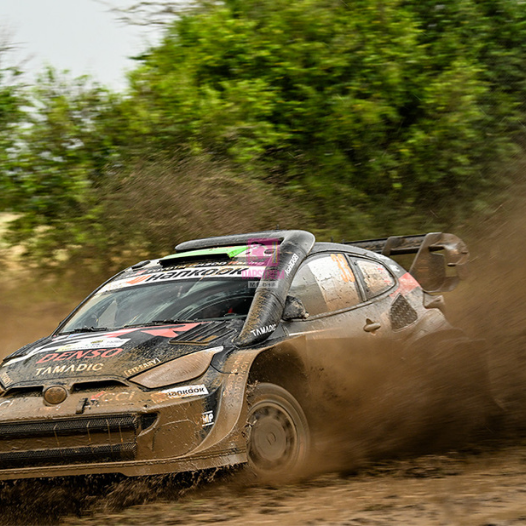
The cancellation came as safety crews and rally officials inspected the gravel roads used in the stage and found that several sections had deteriorated significantly. The combination of loose gravel, deep mud, and standing water made the roads extremely difficult to navigate. Rally organizers concluded that allowing drivers to compete on such surfaces would have posed a serious risk to competitors, co-drivers, and spectators.
The decision was taken in consultation with the organizers of the World Rally Championship (WRC), under which the Safari Rally is held. Officials noted that while tough conditions are part of the event’s reputation, driver safety always remains the top priority. As a result, the stage was removed from the day’s itinerary and teams were instructed to proceed directly to the next scheduled competitive section.
With Stage 3 cancelled, Friday’s action effectively began with the next stage of the rally, slightly adjusting the timetable for teams and spectators. Despite the disruption, drivers still faced a demanding schedule across the rugged terrain surrounding Naivasha, an area known for its unpredictable weather and rough rally tracks.
The Safari Rally is widely regarded as one of the toughest events in global motorsport. Unlike many rallies held on relatively predictable gravel or asphalt roads in Europe, the Kenyan rally presents competitors with a wide range of challenging conditions. Drivers often encounter thick dust, loose rocks, sudden rainstorms, water crossings, and muddy tracks that can change dramatically within hours. These unpredictable conditions are part of what makes the Safari Rally unique on the global rally calendar.
The 2026 rally officially began on Thursday, March 12, and will run until Sunday, March 15, serving as one of the key rounds of the 2026 World Rally Championship season. Although the rally begins with ceremonial activities in Nairobi, most of the competitive stages are held in and around Naivasha in Nakuru County, where the expansive landscapes of the Great Rift Valley provide a dramatic backdrop for the race.

The event typically features a series of special stages, which are closed public roads where drivers compete against the clock. Unlike circuit racing, rally drivers do not compete head-to-head on a track. Instead, they start the stages at timed intervals and aim to complete them in the shortest time possible. The overall winner is determined by adding together each crew’s times across all stages of the rally.
A typical Safari Rally schedule runs across four days. The event begins with a shakedown stage, where teams test their cars and make final adjustments before the official start. This is followed by the ceremonial flag-off and the first competitive stages on Thursday. Friday and Saturday usually contain the longest and most challenging sections of the rally, while Sunday features the final stages including the Power Stage, where additional championship points are awarded to the fastest drivers.
Throughout the competition, drivers rely heavily on their co-drivers, who read detailed pace notes describing every turn, bump, and hazard on the road ahead. In a rally as demanding as the Safari Rally, precise communication between the driver and co-driver can mean the difference between victory and retirement from the race.
The Safari Rally also holds a special place in the history of motorsport. The event was first held in 1953, originally known as the East African Coronation Safari Rally, organized to celebrate the coronation of Queen Elizabeth II. Over the decades it grew into one of the most famous and respected rallies in the world, attracting drivers and teams from across the globe.
The rally became part of the inaugural World Rally Championship calendar in 1973 and quickly developed a reputation as the most grueling event in the series. At the time, routes stretched across thousands of kilometres through Kenya, Uganda, and Tanzania, pushing both drivers and vehicles to their absolute limits.
Although the event was absent from the WRC calendar for several years, it made a major comeback in 2021, once again bringing global attention to Kenya’s iconic rally. Since its return, the event has continued to draw large crowds of motorsport fans who travel to Naivasha and surrounding areas to watch the high-speed action unfold.
Despite the cancellation of Stage 3, excitement around the rally remains high. Thousands of fans have gathered along the rally routes, many camping overnight to secure good viewing spots. The event not only highlights Kenya’s passion for motorsport but also contributes significantly to tourism and local business in the Naivasha region.
For the competing drivers, the remaining stages of the rally will still provide an intense test of skill, endurance, and vehicle reliability. The muddy and unpredictable conditions caused by the rains could continue to play a major role in shaping the outcome of the competition.
As the rally progresses toward its final day on Sunday, teams will be aiming to navigate the challenging terrain carefully while maintaining competitive speed. In the Safari Rally, survival is often just as important as speed, and drivers who manage both effectively usually emerge victorious in one of the toughest rallies in the world.