

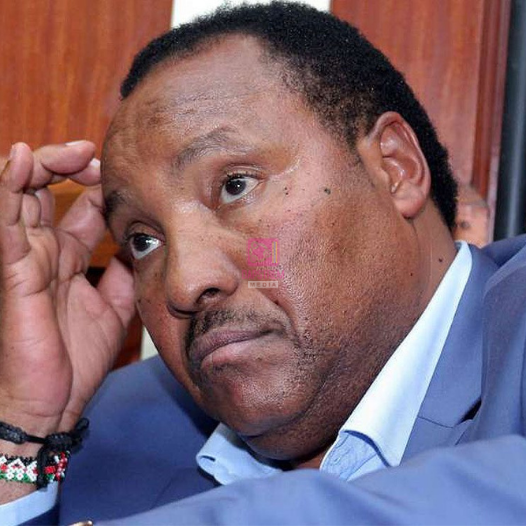
High Court reduces Waititu’s bail to Sh20 million pending appeal.
In a development that has reignited public interest in one of Kenya’s most closely watched corruption cases, the High Court has granted a significant reprieve to former Kiambu Governor Ferdinand Waititu, allowing him a revised bail arrangement as he waits for his appeal to be heard. The ruling, delivered on February 18, 2026, by Justice Winfrida Okwany, marked a turning point in a saga that has spanned more than a year and captivated both national media and public discourse.
The court’s decision reviewed and significantly altered the stringent bail conditions previously imposed on Waititu. In place of the earlier requirement to provide a Sh53.5 million bank guarantee, the judge ordered that he be granted bail upon depositing Sh20 million in cash or alternatively presenting two sureties with property worth at least Sh30 million each, subject to verification. Justice Okwany emphasized that bail terms should not be so onerous that they frustrate the fundamental purpose of granting bail, especially where an appeal is under way.
Waititu’s legal journey is far from ordinary. A seasoned politician, he served as Governor of Kiambu County from 2017 until his impeachment in late 2019 over allegations of corruption and abuse of office. Before that, he represented the people of Jomvu in Parliament and served as a Nairobi City Councilor, building a reputation as both a controversial and charismatic figure. His political nickname — “Baba Yao” — became widely known, reflecting both his public persona and strong grassroots following.
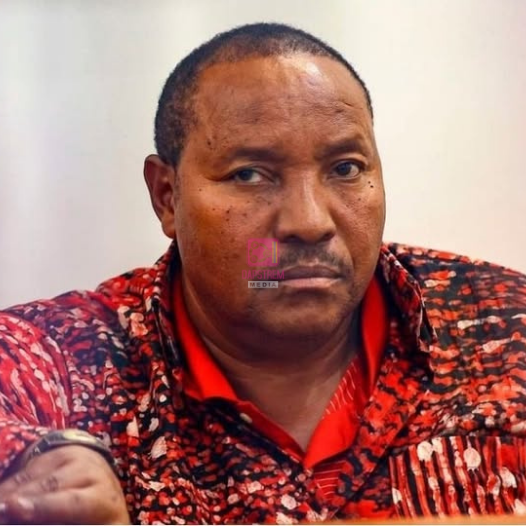
In February 2025, Waititu’s legal troubles reached a crescendo when a Milimani Anti‑Corruption Court found him guilty in a Sh588 million graft case, tied to irregular awarding of road construction tenders during his tenure as governor. The court ruled he had engaged in conflict of interest and other corruption‑related offences, sentencing him to 12 years in prison or a Sh53.5 million fine, and barring him from seeking political office for several years.
Almost immediately after the conviction, Waititu and his legal team began the process of appealing the verdict, arguing that the trial court erred on several legal and factual grounds. Recognizing that an appeal could take time, his lawyers sought bail so that he could pursue his appeal outside prison. Over the course of 2025, there were a series of legal maneuverings. At one point, a High Court judge granted him release on a Sh53 million bond, but that came with a strict bank guarantee condition — one his defence argued he could not practically fulfil despite repeated efforts.
The prosecution — led by the Office of the Director of Public Prosecutions — opposed multiple attempts to ease bail terms, contending that the earlier conditions were fair and that Waititu had failed to demonstrate the exceptional circumstances required to warrant a review. The state argued that allowing him looser bail terms could undermine the fight against corruption and risked eroding public confidence in the justice system.
Despite this resistance, Justice Okwany sided with Waititu’s team on the principle that bail must preserve liberty without being so burdensome as to make compliance impossible. The judge cited Waititu’s prolonged detention — despite having been granted bail earlier — and noted concerns about his deteriorating health as part of the reasoning for allowing the variation.
The revised bail terms now present Waititu with an opportunity to secure his freedom as he awaits the outcome of his appeal. If he meets the Sh20 million cash condition or successfully meets the surety requirement, he may be released from custody while his case winds its way through the appellate system. The court also ordered that his passport be surrendered, limiting any potential for international travel without the court’s permission.
This reprieve has not only legal implications but political and social ones too. Corruption remains one of Kenya’s most pressing challenges, and cases involving high‑profile figures like Waititu are closely watched by citizens who long for accountability and transparency from those in public office. Whether the appeal ultimately succeeds or not, this latest ruling represents a significant chapter in a story that continues to unfold — one that touches on the intricacies of law, governance, and democratic accountability in Kenya.