

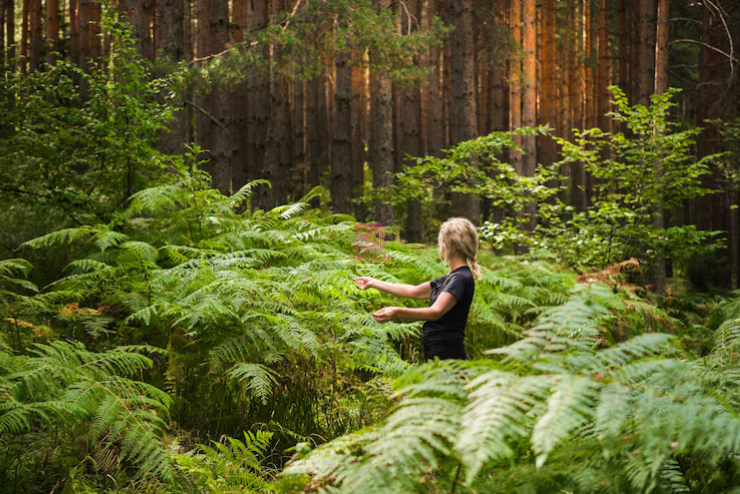
Why Forest Bathing Is a Powerful Practice for Whole-Body Healing
In a world dominated by screens, schedules, and constant noise, many people are rediscovering a simple yet powerful remedy: forest bathing. Known in Japan as Shinrin-yoku, this practice invites us to slow down, step into the woods, and immerse ourselves fully in the natural world.
Unlike hiking or jogging, forest bathing is not about distance or fitness. Instead, it is about presence engaging your senses, calming your nervous system, and allowing nature to restore your mind and body.
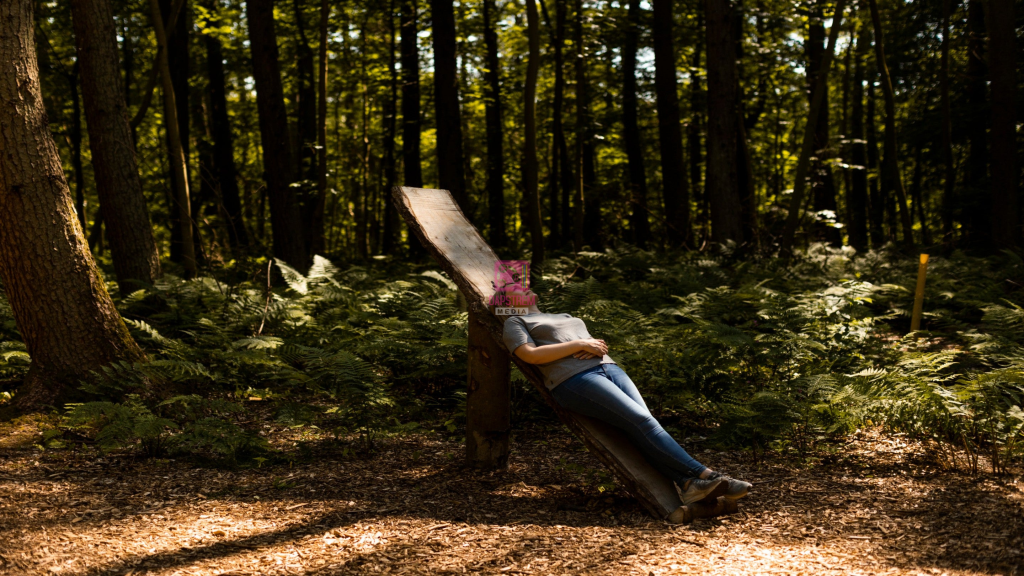
What Is Forest Bathing?
Forest bathing began in Japan during the 1980s as part of a national public health initiative. The Japanese Ministry of Agriculture, Forestry, and Fisheries introduced Shinrin-yoku to encourage people to reconnect with forests for stress reduction and overall wellbeing.
The concept is simple:
You “bathe” in the atmosphere of the forest through mindful awareness.
This means:
- Walking slowly
- Breathing deeply
- Observing textures and colors
- Listening to natural sounds
- Being fully present
There is no destination. No fitness tracker. No rush.
The Science Behind Forest Bathing
Modern research supports what many cultures have long understood nature heals.
Studies show forest bathing can:
1. Reduce Stress Hormones
Spending time in forests lowers cortisol, the body’s primary stress hormone.
2. Improve Immune Function
Trees release natural compounds called phytoncides, which may increase the activity of natural killer (NK) cells — important for immune defense.
3. Lower Blood Pressure
Time in wooded environments has been linked to improved cardiovascular health.
4. Improve Mood and Mental Clarity
Forest environments reduce anxiety and symptoms of depression while enhancing focus.
5. Enhance Sleep Quality
Exposure to natural light cycles and calming surroundings supports better rest.
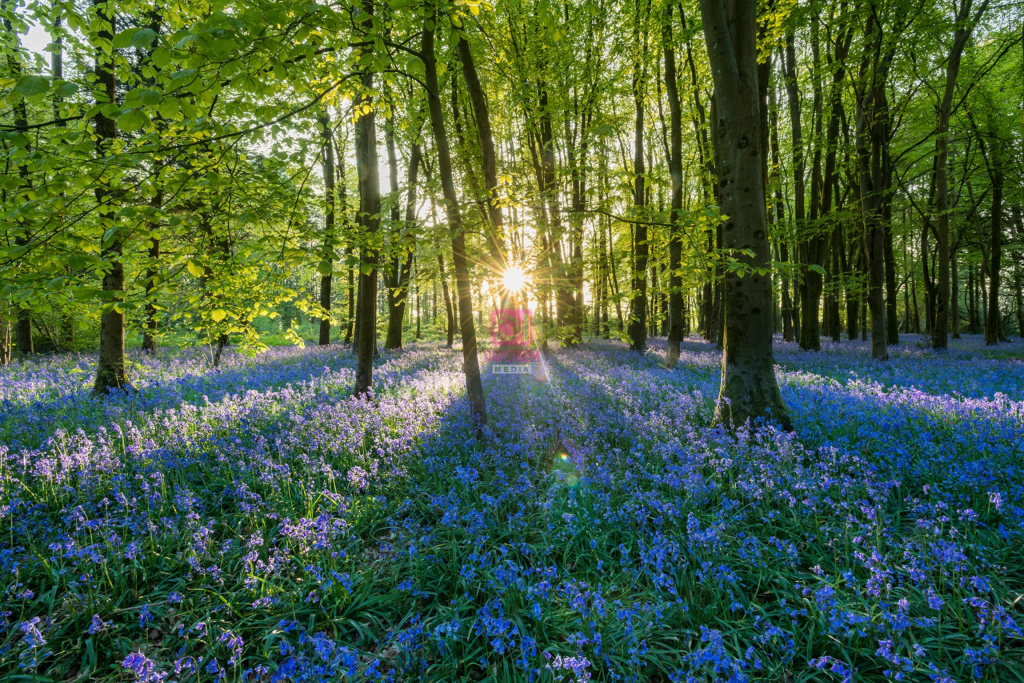
Well-Defined Examples of Forest Bathing
Here are practical, real-world examples to help you understand how forest bathing works in different settings:
Example 1: Morning Mindful Walk in a National Park
You enter the forest at 8:00 AM. Instead of walking quickly, you move slowly along a shaded path. You stop frequently to:
- Notice dew on leaves
- Listen to birdsong
- Touch rough bark
- Smell pine needles
You sit quietly for 10 minutes near a stream. You leave feeling calm, grounded, and mentally refreshed.
Example 2: Urban Forest Bathing
You don’t need a remote wilderness. In a large city park:
- Sit beneath a tree canopy
- Remove your shoes and feel the grass
- Practice slow breathing
- Observe patterns in leaves and clouds
Even 30 minutes can significantly shift your stress levels.
Example 3: Guided Forest Bathing Session
Some areas offer trained guides who lead small groups. A guide may:
- Invite silent walking
- Lead sensory exercises
- Encourage journaling
- Close with tea and reflection
This structured approach can deepen the experience.
Best Places to Forest Bathe Around the World
Here are some exceptional destinations known for their restorative forest environments:
🇯🇵 Yakushima
An ancient island famous for cedar trees over 1,000 years old. Misty forests here inspired Studio Ghibli’s Princess Mononoke.
🇯🇵 Arashiyama Bamboo Grove
Tall bamboo stalks create a calming soundscape as wind passes through.
🇺🇸 Redwood National and State Parks
Home to the tallest trees on Earth. Walking beneath redwoods creates an awe-inspiring sense of scale and tranquility.
🇺🇸 Great Smoky Mountains National Park
Misty mountain forests rich in biodiversity and quiet trails.
🇬🇧 New Forest
Ancient woodland with roaming ponies and peaceful walking paths.
🇨🇦 Stanley Park
A lush urban forest perfect for accessible forest bathing in a city setting.
🇳🇿 Fiordland National Park
Remote rainforest landscapes with waterfalls and dramatic scenery.
How to Practice Forest Bathing (Step-by-Step Guide)
- Choose the Right Setting
Look for a quiet wooded area, nature reserve, or park. - Disconnect from Technology
Silence your phone. - Set an Intention
Instead of “exercise,” choose “presence” or “rest.” - Move Slowly
Walk without a destination. - Engage All Five Senses
- Sight: Notice shades of green
- Sound: Birds, wind, rustling leaves
- Smell: Earth, pine, flowers
- Touch: Bark, moss, cool air
- Taste: Fresh air (and water if safe)
- Pause Often
Sit or stand still for several minutes. - Reflect Afterwards
Journal or simply observe how you feel.
Forest Bathing vs Hiking: What’s the Difference?
| Hiking | Forest Bathing |
|---|---|
| Goal-oriented | Process-oriented |
| Focus on distance | Focus on awareness |
| Often fast-paced | Intentionally slow |
| Physical fitness | Mental & emotional restoration |
Both are valuable, but forest bathing emphasizes mindfulness over movement.
Who Can Benefit?
Forest bathing is suitable for:
- Busy professionals
- Students under stress
- People recovering from burnout
- Anyone seeking emotional balance
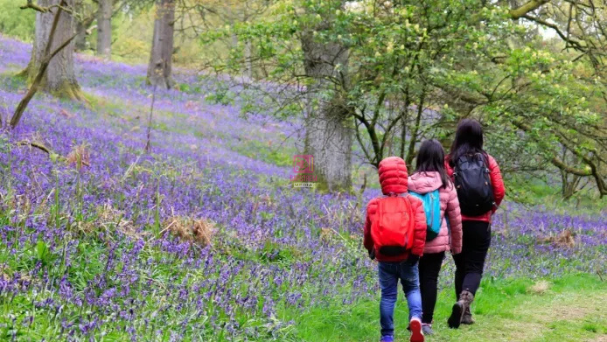
- Families looking for meaningful outdoor time
It requires no special skills or equipment.
Final Thoughts
Forest bathing reminds us of something simple yet profound: we are part of nature. When we slow down and immerse ourselves in forests, we allow our nervous system to reset and our minds to clear.
In a fast-moving world, stepping into the woods may be one of the most powerful forms of self-care available.