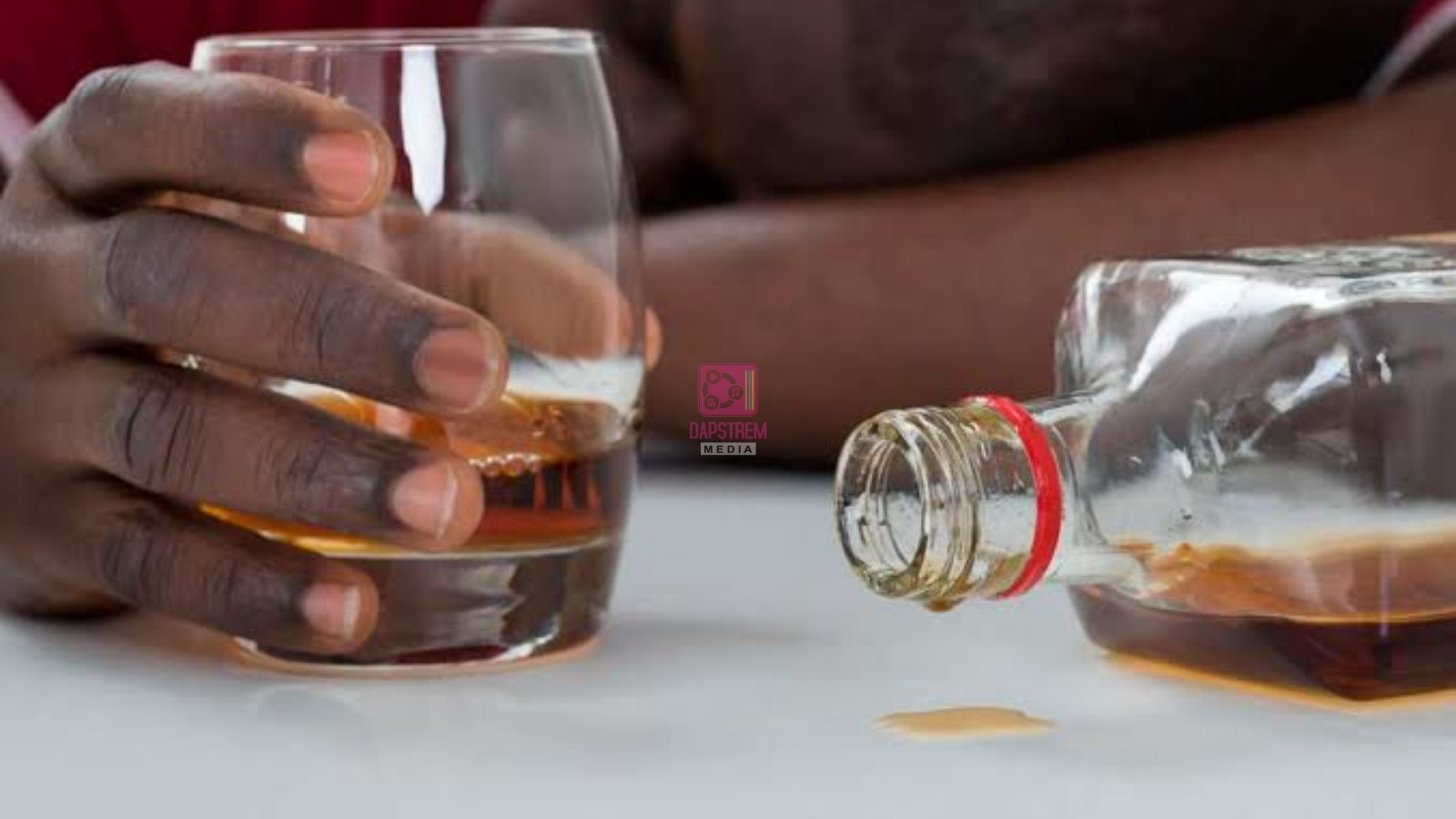
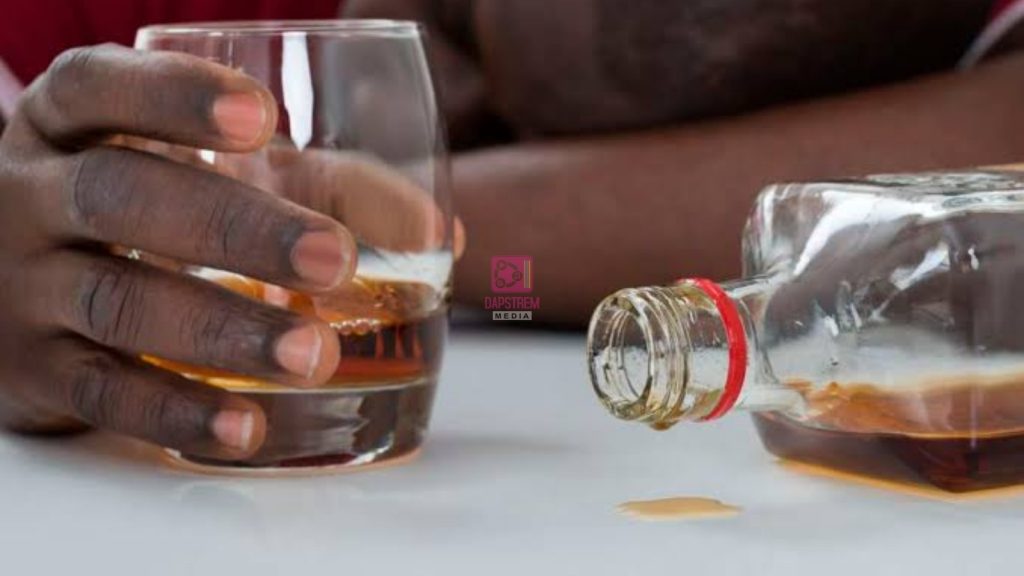
Kenyan consumers have been warned that counterfeit alcoholic drinks may be packaged in genuine branded bottles, making it increasingly difficult to distinguish fake products from authentic ones.
The warning has been issued by the Anti-Counterfeit Authority (ACA), which says some traders are reusing bottles from recognised alcohol brands and refilling them with illicit or counterfeit products. The practice means that a bottle carrying a familiar label or brand name should not, on its own, be treated as proof that its contents are genuine
ACA Executive Director Robi M. King’a said consumers need to be particularly cautious when purchasing alcoholic beverages at unusually low prices or through unfamiliar outlets.
“At some point we also have instances of well-known brand bottles being refilled by some of the traders,” King’a said, according to the latest warning.
The revelation adds a new dimension to Kenya’s continuing battle against counterfeit and illicit alcohol. While consumers have traditionally been advised to examine labels, seals and packaging for signs of imitation, the reuse of genuine bottles means counterfeiters can exploit the appearance and reputation of established brands to conceal potentially unsafe contents.
Genuine bottle, fake contents
The ACA says the practice of refilling genuine bottles is among the challenges facing enforcement agencies as they attempt to dismantle illicit alcohol networks.
In May, when the Authority appeared before Parliament over a petition concerning illegal alcoholic brews, King’a identified the refilling of genuine bottles as one of the methods used in the counterfeit alcohol trade.
He also told lawmakers that illicit alcohol is produced locally and that counterfeiters are increasingly using sophisticated methods to imitate protected brands. Other challenges include porous borders, diversion of ethanol into illicit production and the use of online and social-media platforms to distribute counterfeit products.
The production of counterfeit alcohol in residential premises presents another challenge. According to the ACA, illicit production sites can be difficult to identify without information from members of the public.
This has raised concerns about the safety of products manufactured outside approved production and quality-control systems.
Public health concerns
The issue goes beyond trademark infringement or lost business for legitimate manufacturers.
The ACA has repeatedly warned that counterfeit alcohol can pose serious health and safety risks because it may be produced in uncontrolled environments and without the quality checks required for legitimate alcoholic beverages.
The Authority says counterfeit products may contain harmful substances and can be manufactured under unhygienic conditions. Its consumer guidance advises buyers to be alert to differences in taste, consistency and appearance, as well as suspicious packaging and unusually low prices.
The danger is particularly significant when a counterfeit product is presented in an authentic-looking bottle. Consumers may have little reason to suspect that the liquid inside has been replaced.
Alcohol among heavily counterfeited products
Research by the ACA shows that alcoholic beverages remain one of the sectors significantly affected by counterfeiting in Kenya.
The Authority’s 2025 firm-level survey found that an average of 18 per cent of products across the sectors covered by the research were counterfeited. Alcoholic beverages recorded an estimated counterfeiting prevalence of 19 per cent, one of the highest levels among the sectors studied.
The survey identified gin and vodka as among the alcoholic products most affected. It also found that counterfeit goods are distributed through several channels, including social-media platforms, local e-commerce sites, street sellers and kiosks.
The findings highlight why authorities are increasingly concerned about the ability of counterfeiters to reach consumers outside traditional retail channels.
Recent seizures expose scale of trade
Recent enforcement operations demonstrate the scale of the problem.
In January, the ACA seized suspected counterfeit alcoholic beverages worth approximately KSh7.6 million during an intelligence-led operation in Eldoret.
Officers recovered 1,103 cartons of suspected counterfeit Best Gin and 422 cartons of suspected counterfeit Best Brandy at a residential premises in Pioneer Estate. Together, the seizure amounted to 1,525 cartons, with each carton containing 20 bottles of 250 millilitres. The suspect was arrested and later released on police cash bail as investigations continued.
The seizure was part of a wider multi-agency crackdown targeting illicit alcohol networks.
Earlier, in September 2025, ACA officers seized approximately KSh1.5 million worth of suspected counterfeit alcohol in Githongo, Meru County. Ninety-one cartons of products allegedly mimicking locally registered trademarks were recovered, with samples earmarked for laboratory analysis to confirm their authenticity.
The repeated seizures suggest that counterfeit alcohol networks continue to operate across different parts of the country, despite increased enforcement.
Authorities urge consumers to be cautious
The ACA is urging consumers to take greater responsibility when purchasing alcoholic drinks and to avoid relying solely on a familiar brand name or bottle.
Its consumer guidance recommends checking the price, place of purchase, packaging and the consumer’s experience with the product what the Authority describes as the “4Ps”.
Consumers are advised to be suspicious of alcohol sold at prices significantly below the normal market price, particularly when it is offered through unfamiliar outlets or unofficial online sellers. They should also look for inconsistencies in spelling, design, labelling, packaging and the condition of containers.
The Authority recommends buying products through recognised and established distribution channels and, where necessary, contacting manufacturers or their authorised agents to authenticate questionable products.
A growing enforcement challenge
For regulators, the reuse of genuine bottles illustrates how sophisticated counterfeit networks can become.
A counterfeit producer does not necessarily need to manufacture an entire bottle from scratch. By obtaining an empty genuine bottle and replacing its contents, a trader can potentially exploit the credibility of an established brand while making detection more difficult.
The ACA has therefore stressed the importance of intelligence-led operations and cooperation between government agencies, manufacturers, traders and the public.
In February, the Authority held discussions with the Bar, Hotel and Liquor Traders Association (BAHLITA) on measures to combat counterfeit and illicit alcohol. The engagement focused partly on concerns surrounding refilled bottles, stronger monitoring of supply chains and training businesses to identify counterfeit products.
The ACA has also emphasised that counterfeit trade cannot be addressed through enforcement alone. Public awareness and cooperation from legitimate traders and consumers are considered essential to identifying illegal supply chains.

The counterfeit alcohol trade also has an economic impact.
Fake products compete with legitimate manufacturers and traders, damage established brands and deprive the government of revenue through tax evasion and illegal trade.
The ACA estimates that illicit alcohol contributes to a broader illicit-trade problem that costs the Kenyan economy billions of shillings annually. The Authority has described counterfeit trade as both an economic and public-health threat.
In April, the ACA destroyed counterfeit goods valued at more than KSh200 million after completing the required legal and administrative processes. The exercise included products seized through operations in Nairobi, Eastern and Nyeri, with several government agencies involved in enforcement and disposal.
The Authority says removing counterfeit products from circulation is necessary to prevent seized goods from finding their way back into the market.
What consumers should remember
The latest warning changes one important assumption: a genuine bottle does not necessarily guarantee genuine alcohol.
Consumers are encouraged to consider where the product was purchased, whether the price is realistic and whether its appearance, seal, label, taste or other characteristics differ from what they normally encounter.
Anyone who suspects that a product is counterfeit should preserve it as evidence and seek authentication or report the suspected trade to the relevant authorities rather than simply returning the product to a seller, according to ACA guidance.
As authorities intensify their crackdown, the ACA says cooperation from the public will remain critical. For consumers, the message is straightforward: do not judge the contents of a bottle by the brand printed on the outside.
The latest warning is a reminder that counterfeiters are becoming increasingly adept at exploiting consumer trust and that vigilance is essential even when a product appears, at first glance, to be the real thing.
This version is structured as a full newspaper-style feature, combining the latest ACA warning with official enforcement data, previous seizures, consumer guidance and the wider economic and public-health implications.