
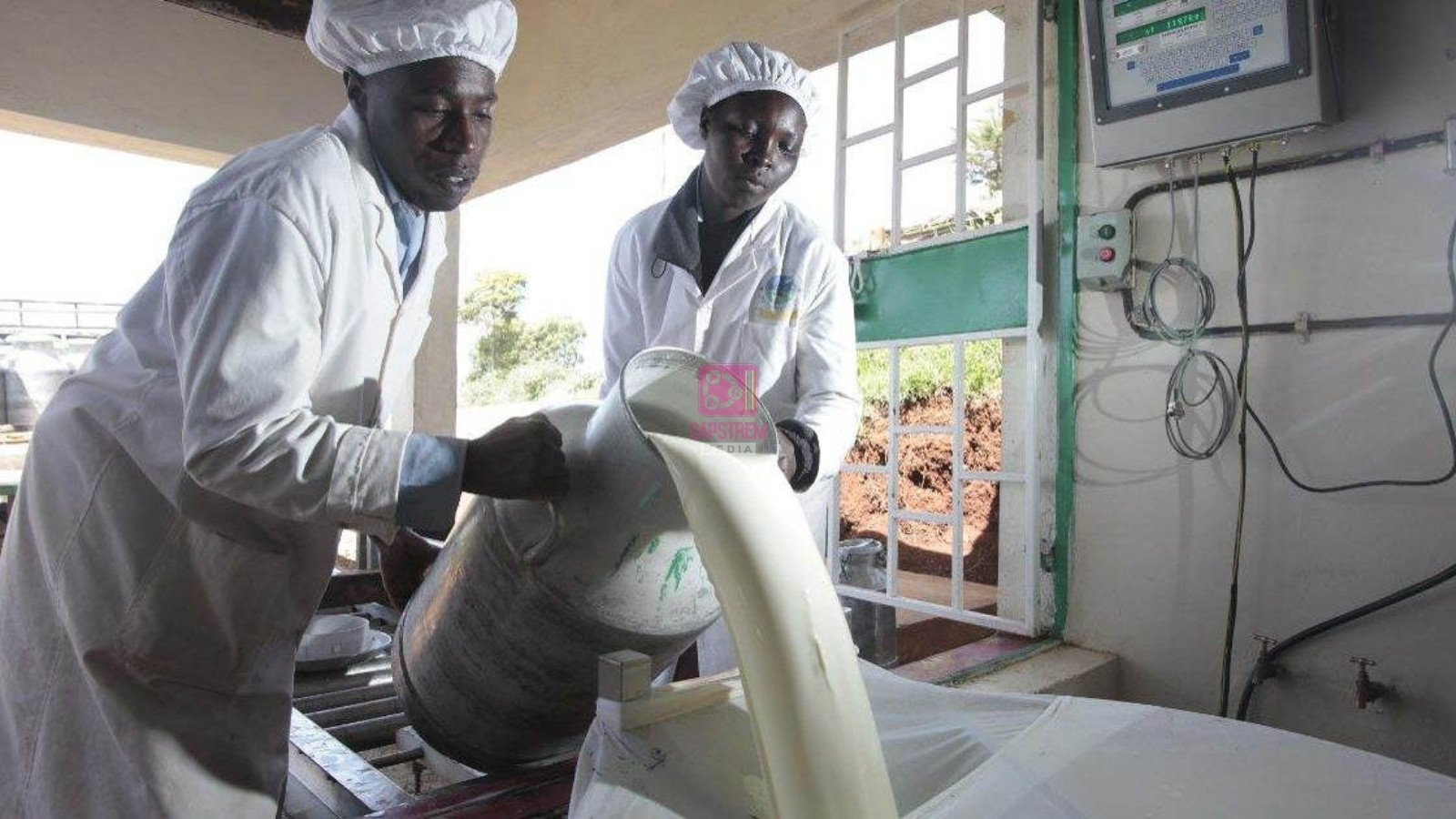
Kenyan consumers are facing growing pressure in the milk market as supplies tighten, some retailers ration purchases and prices rise, prompting the Consumers Federation of Kenya (COFEK) to demand urgent government intervention.
The federation has called on the Ministry of Agriculture and Livestock Development, the Kenya Dairy Board (KDB) and the National Treasury to take coordinated measures to restore stable milk supplies and prevent further price increases.
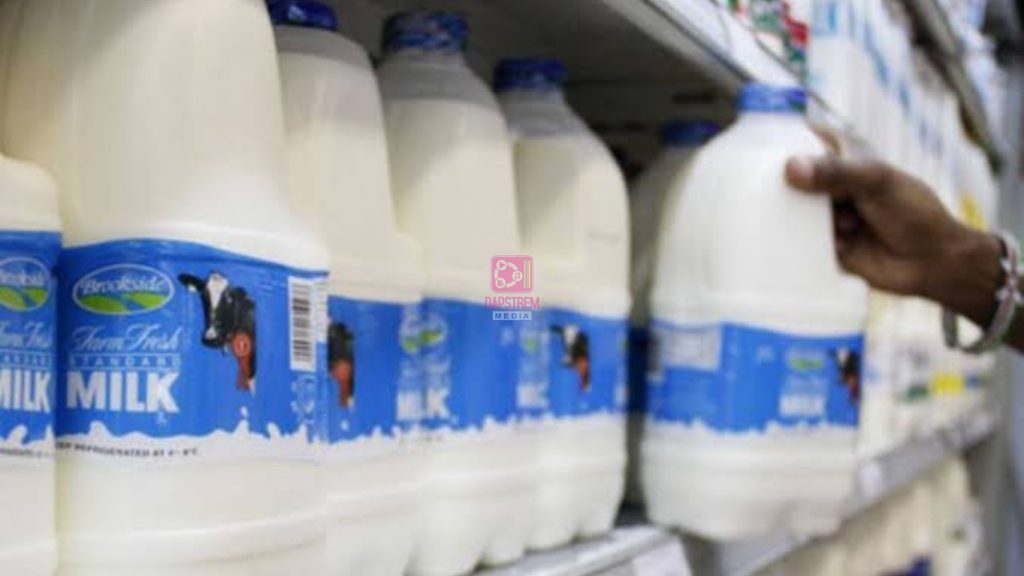
COFEK’s concerns come amid a decline in formal-sector milk deliveries. Data from the Kenya National Bureau of Statistics (KNBS) shows that milk intake by processors and other formal-sector players fell by 5 per cent, from 88.89 million litres in May to 84.44 million litres in June 2026. June’s intake was also 6.4 per cent below the 90.24 million litres recorded in June 2025.
The figures have raised fresh questions about the stability of Kenya’s dairy supply chain, particularly at a time when consumers are reporting difficulty finding some popular packaged milk brands.
Consumers feel the squeeze
The impact is already being felt in Nairobi, where some retailers have reportedly introduced limits on the quantity of milk customers can purchase.
COFEK said shoppers at some outlets have encountered intermittent shortages of branded packaged milk, while the price of fresh milk at one Nairobi dairy outlet increased from Sh70 to Sh80 per litre.
Reports have also emerged of supermarkets restricting purchases. The Kenya Times reported that a Naivas outlet in Nairobi had limited customers to two boxes of milk per visit amid concerns over supplies of brands including Brookside, KCC and Tuzo.
For households that rely on milk as a daily staple, even relatively small price increases can add to an already difficult cost-of-living environment.
Kenya’s broader food prices remain elevated. KNBS reported annual inflation of 6.5 per cent in July, with food and non-alcoholic beverages recording annual inflation of 9 per cent.
Official KNBS figures, however, show that the national average price of a 500ml packet of fresh cow milk increased only slightly, from KSh57.33 in June to KSh57.55 in July, and was 2.3 per cent higher than in July 2025. This suggests that the current shortages and price increases being reported in some areas may not yet be fully reflected in national average retail statistics.
Farmers caught in the middle
COFEK says the pressure on consumers is closely connected to difficulties being experienced by dairy farmers.
The federation estimates that smallholder farmers account for about 80 per cent of Kenya’s milk supply and says some farmers are experiencing sharp declines in production.
According to COFEK, yields in some areas have fallen from approximately seven to nine litres per cow per day to four to five litres. It attributes the decline partly to poor pasture following delayed rains and a reported 45 per cent increase in commercial feed costs.
The cost of producing milk has already been a major concern within the dairy industry.
The Kenya Dairy Board previously estimated production costs at between KSh30 and KSh37 per litre, depending on the farming system and scale of operation. Farmers have complained that expensive feed, electricity and other inputs are squeezing their margins.
That creates a difficult situation for the sector. Farmers need prices that make dairy production viable, while consumers need milk to remain affordable.
From surplus to shortage
One of the most striking aspects of the current situation is the apparent contradiction between milk shortages in some markets and reports of farmers elsewhere struggling to find buyers.
COFEK argues that the current supply pressure cannot be blamed entirely on weather or production.
The federation has criticised the management of the milk surplus recorded in 2025, arguing that milk powder produced from that surplus was not incorporated into strategic food reserves as anticipated.
According to COFEK, maintaining adequate reserves could have provided a buffer when production began to fall, reducing the severity of the current supply shock.
Recent reports from the North Rift have highlighted the other side of the problem, with farmers complaining that milk is going to waste because of inadequate markets and storage capacity.
NTV reported that farmers in the region were dealing with delayed payments from New KCC, while some private processors had reduced their intake because of limited processing capacity.
The seemingly contradictory developments milk shortages in urban retail outlets while farmers in some producing areas struggle to sell their milk point to weaknesses in collection, processing, storage and distribution rather than simply a nationwide absence of milk.
COFEK calls for emergency measures
COFEK is now pressing the government for a series of immediate interventions.
The federation wants the Agriculture Ministry to publish a recovery plan within seven days, setting out monthly milk-intake targets and emergency support for farmers facing feed and fodder shortages.
It is also demanding that the Kenya Dairy Board explain what happened to the milk surplus accumulated in 2025 and disclose the status of available milk-powder reserves.
The federation has further called on the National Treasury to consider removing import duty and VAT on key dairy-feed ingredients, including yellow maize and soya, arguing that cheaper feed would help farmers maintain production.
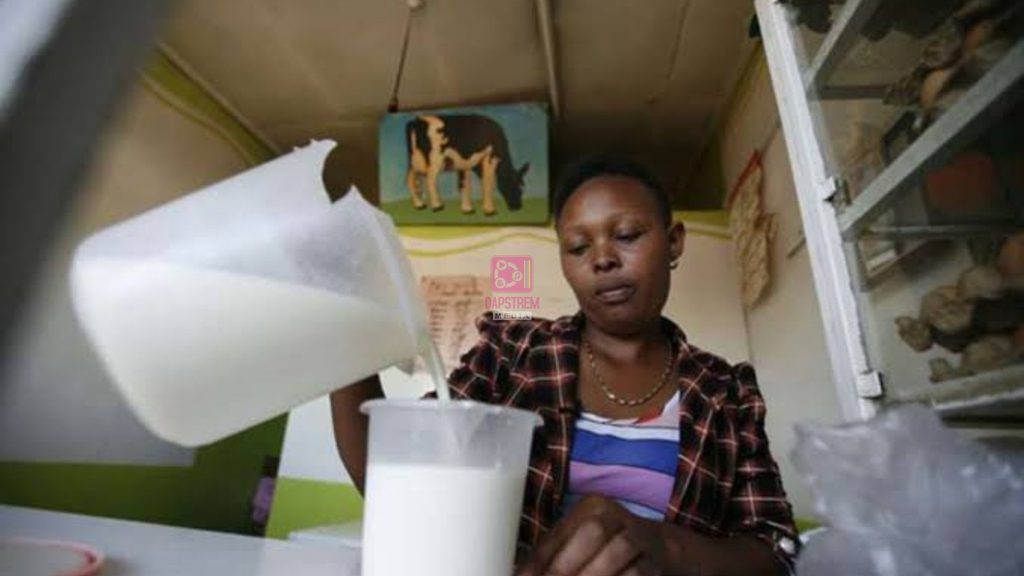
COFEK also wants authorities to strengthen monitoring of retail prices to prevent what it describes as opportunistic price increases and rationing.
The federation has proposed that the government issue fortnightly public updates on milk intake, retail prices and reserve levels until the situation stabilises.
Government has invested in the dairy sector
The current concerns come despite ongoing government efforts to strengthen Kenya’s dairy industry.
In May, the government launched 25 milk coolers intended to improve milk quality, reduce post-production losses and increase farmers’ earnings. Agriculture Cabinet Secretary Mutahi Kagwe said the dairy industry remained an important part of Kenya’s agricultural economy, while also warning against the sale of unprocessed milk through informal channels.
The government has also backed investments in animal-feed production.
In July, a KSh500 million feed mill was commissioned in Meru through a partnership between the government and farmers. The facility was expected to lower feed costs for participating farmers and improve their profitability.
These interventions could help address some of the structural problems facing dairy farmers, but COFEK is calling for faster action as consumers face immediate supply concerns.
A warning for the dairy value chain
The latest developments expose a vulnerability that extends beyond the price of milk on supermarket shelves.
Kenya’s dairy industry supports an estimated 1.8 million households, according to the government’s 2026 Budget Policy Statement. The sector is therefore important not only for household nutrition but also for rural employment, incomes and food security.
If farmers cannot afford feed, production may decline further. If processors cannot reliably obtain milk, packaged products could become more difficult to find. And if retailers respond to tight supplies by increasing prices or limiting purchases, households ultimately bear the cost.
At the same time, continued wastage in milk-producing areas would represent another major inefficiency particularly in a country where consumers are reporting shortages.
The challenge for policymakers is therefore twofold: keep farmers in production while ensuring that milk moves efficiently from farms to consumers at affordable prices.
The road ahead
COFEK says the current situation requires more than short-term measures to fill supermarket shelves.
It wants greater transparency across the dairy supply chain, from farm-level production and processor intake to storage reserves and retail prices.
The federation argues that early intervention could prevent the present squeeze from becoming a deeper food-security problem.
For consumers, the immediate concern is whether milk will remain available and affordable. For farmers, the question is whether they can continue producing when feed and other costs are rising. For processors and government agencies, the crisis highlights the need to ensure that Kenya does not experience the paradox of milk being wasted in one part of the country while shelves are empty in another.
With formal milk intake already below both the previous month’s level and the corresponding figure from last year, pressure is mounting on authorities to act before the supply squeeze becomes more widespread.
For now, COFEK’s message to the government is clear: address the supply chain urgently, protect dairy farmers from rising production costs and ensure consumers are not left paying the price for weaknesses in the system.
This version keeps the story balanced and evidence-led, distinguishing COFEK’s claims from official KNBS data and putting the reported shortages into the wider context of Kenya’s dairy supply chain.