
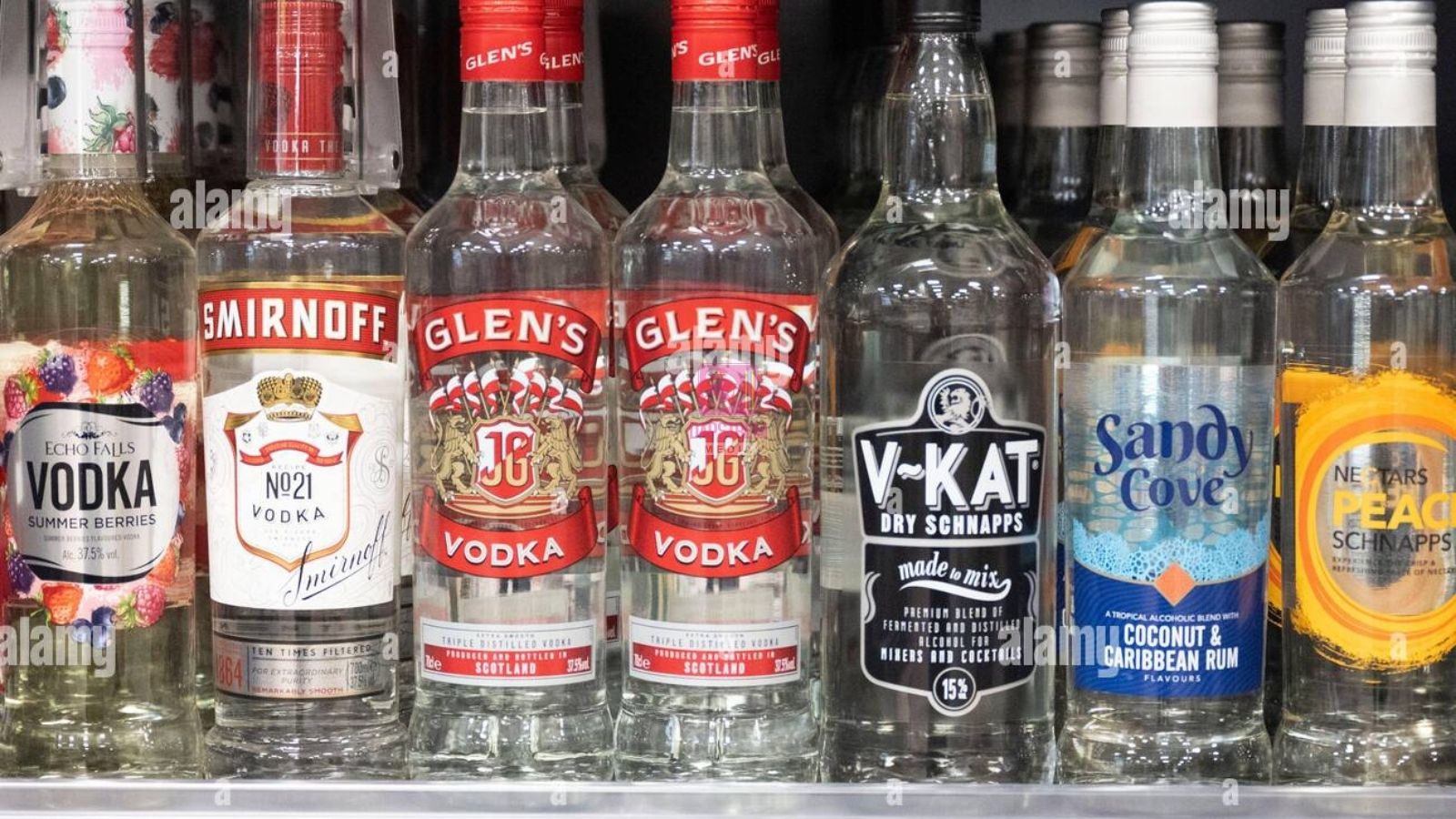
Vodka Standards Debate Takes Centre Stage
Vodka Standards in Kenya have come under fresh scrutiny following claims by former NACADA chairman John Mututho about the quality and production of vodka sold in the country.
Speaking during an interview on NTV, Mututho claimed that Kenya does not have vodka that meets internationally accepted standards.
He argued that manufacturers seeking to market products as vodka should comply with recognised international requirements.
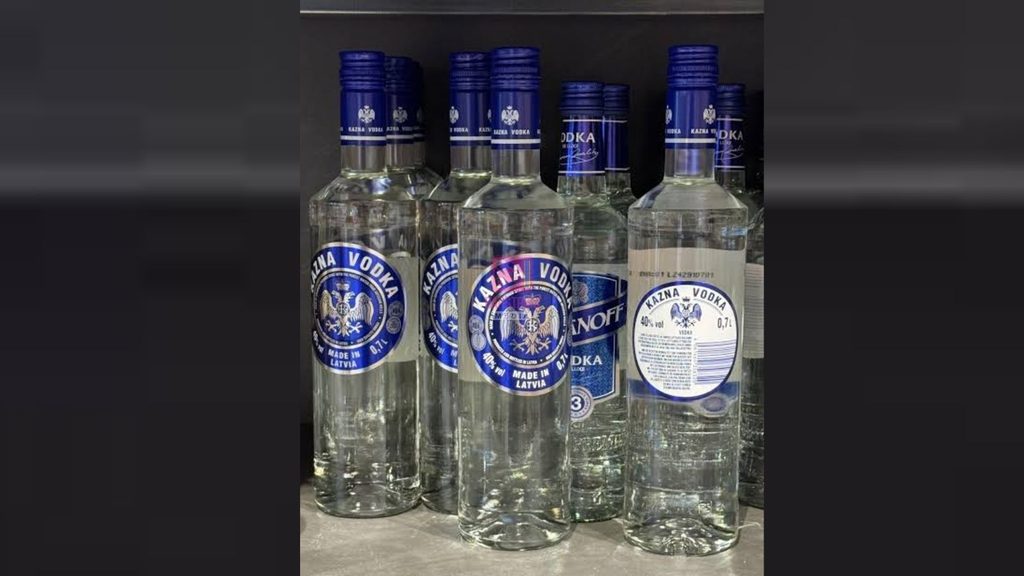
His remarks have generated fresh discussion about alcohol regulation, manufacturing standards and consumer protection in Kenya.
It is important to note that Mututho’s statements are claims and should not be treated as proof that all vodka products sold in Kenya fail to meet required standards.
Questions Over Industrial Ethanol
Mututho also raised concerns about the supply of industrial ethanol used by manufacturers.
He claimed that one company imports as much as 80 percent of the industrial ethanol consumed in Kenya, before the product is distributed to manufacturers.
He further alleged that some manufacturers dilute the ethanol with water, add flavours and then package the resulting products under different brand names.
These allegations have not, by themselves, established that particular manufacturers or brands are engaging in illegal activity.
However, they have added to the wider debate about how alcoholic products are manufactured, tested and regulated.
Why Vodka Standards Matter
The issue of Vodka Standards is closely connected to consumer safety.
Alcoholic beverages sold legally should meet applicable quality and safety requirements.
Consumers also expect the contents of a bottle to match what is stated on its label.
Questions over the authenticity or composition of alcoholic drinks therefore require strong oversight from regulators and proper testing.
Kenya has recently intensified efforts against counterfeit and illicit alcohol.
NTV reported that counterfeit and illicit alcohol may account for a significant share of Kenya’s alcohol market, while authorities have warned about the health risks associated with illegal products.
Counterfeit Alcohol Remains a Major Concern
Mututho’s comments come at a time when authorities are already dealing with counterfeit alcohol.
On August 30, detectives seized more than 200 cartons of suspected counterfeit alcoholic drinks during an operation in Ruai.
The products were reportedly packaged in bottles carrying names of popular alcoholic brands, although their safety could not immediately be established.
The Anti-Counterfeit Authority has also warned that counterfeit alcohol can be placed in genuine branded bottles, making it difficult for consumers to identify fake products simply by looking at the packaging.
Government Crackdown on Illegal Alcohol
The latest debate comes as the government continues its crackdown on illegal alcohol and other substances.
According to NTV, authorities have shut down 2,393 non-compliant liquor establishments as part of the nationwide crackdown.
The government has also reported thousands of raids and the seizure of large quantities of illegal brews and suspected counterfeit alcohol.
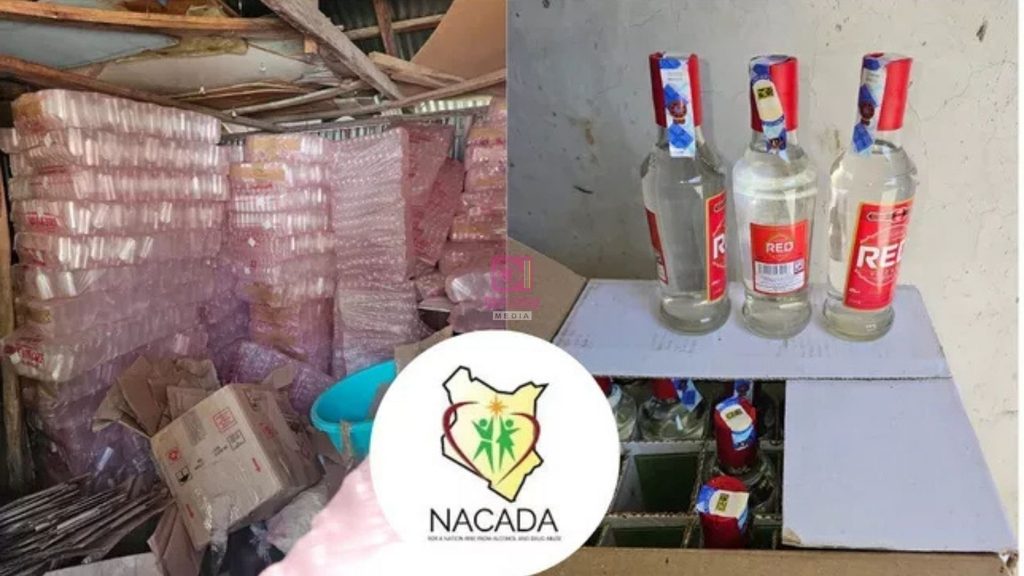
The developments show that alcohol regulation remains a major public policy issue.
The Bigger Industry Question
The debate surrounding Vodka Standards goes beyond one interview.
Kenya has a large alcoholic beverage industry involving manufacturers, distributors, retailers and regulators.
Maintaining clear standards is important for legitimate businesses because counterfeit products can damage consumer confidence and create unfair competition.
For regulators, the challenge is ensuring that products entering and leaving manufacturing facilities meet the required standards.
Independent testing and effective enforcement can play an important role in that process.
What Happens Next?
Mututho’s claims are likely to generate further discussion about Kenya’s alcohol manufacturing and regulatory framework.
The key question is whether regulators will provide additional clarification about the standards required for vodka and how manufacturers are monitored.
Consumers, manufacturers and policymakers all have an interest in ensuring that alcoholic products sold legally in Kenya meet the required quality and safety standards.
The Vodka Standards debate comes at a particularly sensitive time for Kenya’s alcohol industry.
John Mututho’s claims have raised questions about production practices, industrial ethanol and the authenticity of some alcoholic products.
But allegations should be investigated and verified rather than automatically treated as fact.
With authorities already stepping up action against counterfeit alcohol, the latest debate could increase pressure for stronger testing, clearer enforcement and greater transparency across the industry.
For consumers, the bigger issue is simple: products sold on the legal market should meet the standards they claim to meet.