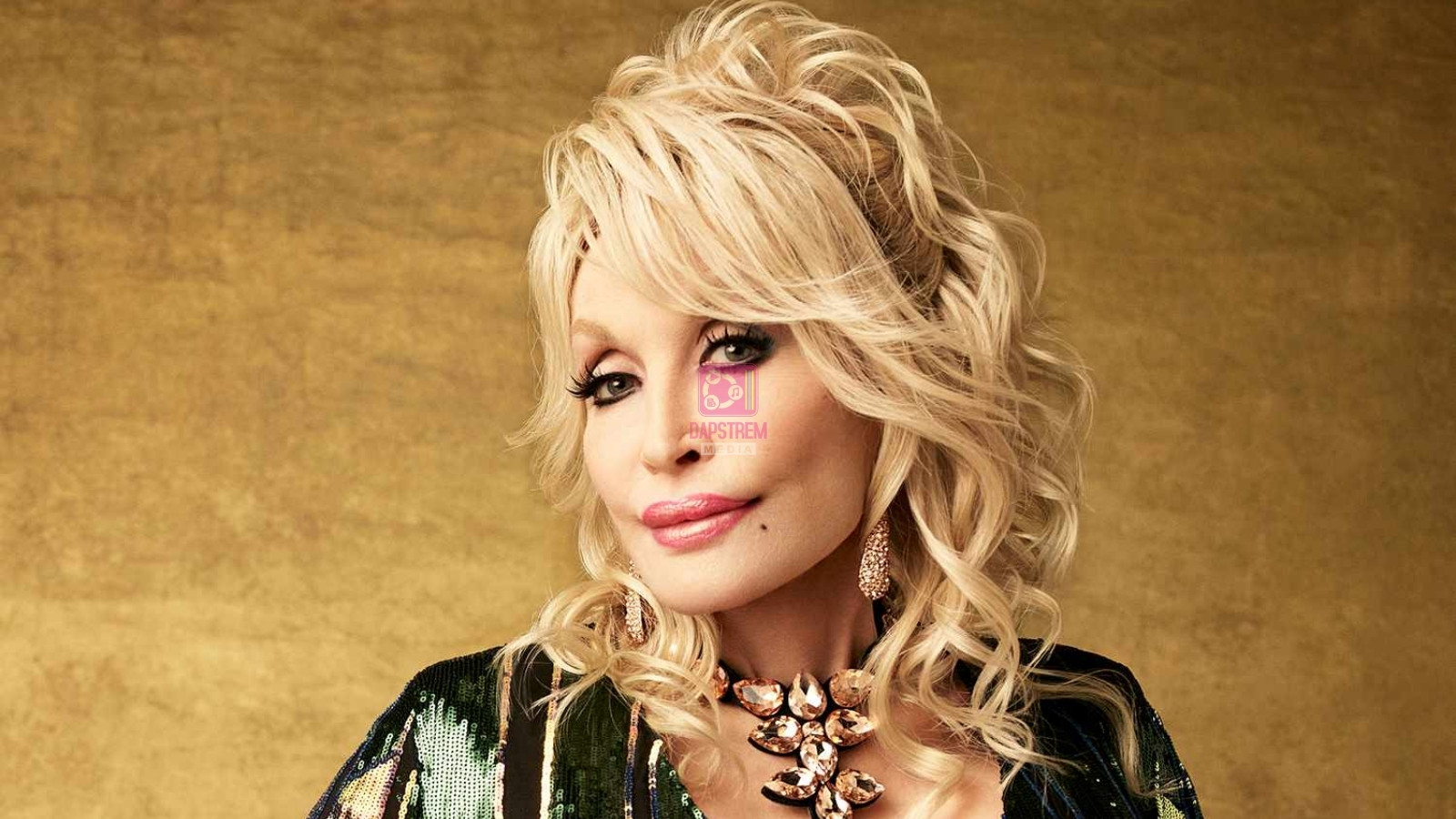
On August 25, 2026, the voice that had carried stories of mountain poverty, heartbreak, ambition, faith and resilience across generations fell silent. Dolly Parton, the Tennessee-born singer, songwriter, actress, entrepreneur and philanthropist who transformed herself from a child of rural Appalachia into one of the world’s most recognizable entertainers, died in Nashville at the age of 80. Reports from her representatives described a brief battle with cancer.
Her death closes one of the most remarkable chapters in American popular music. Yet Dolly Parton’s story was never simply about records sold or awards collected. Her importance lay in the unusual combination of things she represented: Appalachian roots and international celebrity, glamour and humility, commercial ambition and generosity, country tradition and cultural crossover.
For more than six decades, Parton made herself impossible to reduce to a single category. She was a country singer who became a pop star, a songwriter whose compositions became classics in the voices of other performers, a movie star who wrote her own hits, a businesswoman who built a major tourist destination, and a philanthropist whose most enduring gift may be measured not in concert tickets or album sales, but in the millions of children who grew up with books in their hands.
From a Tennessee mountain home
Dolly Rebecca Parton was born on January 19, 1946, in Locust Ridge, Tennessee, the fourth of twelve children. Her family lived in circumstances of severe poverty in the Appalachian mountains, but music was woven into everyday life. Her mother sang and taught Dolly traditional songs; her grandfather was a fiddling preacher.
That childhood never disappeared from Parton’s work. It became its emotional foundation.
Songs such as “Coat of Many Colors” transformed personal memories of poverty into stories about dignity. “My Tennessee Mountain Home” looked backward at a place she had been determined to escape while simultaneously preserving its people and traditions in song. Parton’s achievement was to write about hardship without making hardship her entire identity.
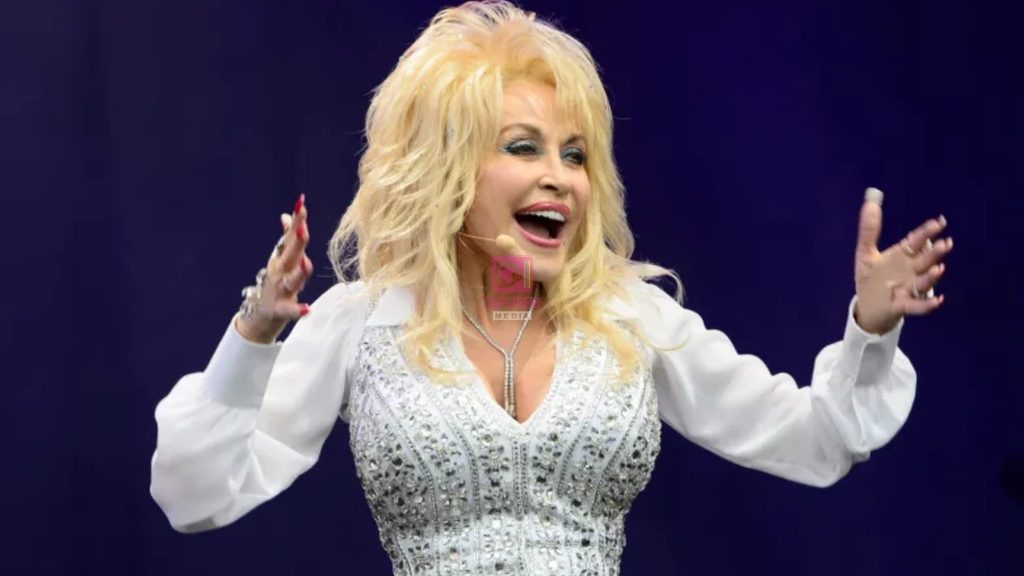
She understood early that songwriting could be a way out.
By the time she was a teenager, she was already performing and writing professionally. Her arrival in Nashville eventually led to her breakthrough in 1967, when she joined Porter Wagoner’s television program. The partnership made her famous, but it also created the central tension of her early career: Parton had to establish herself as more than a supporting act in somebody else’s story.
The songwriter who became a superstar
Parton’s songwriting career was extraordinary even before she became an international celebrity. She wrote songs that could sound deceptively simple while containing intricate emotional narratives.
“Jolene” is a study in fear and vulnerability. “Coat of Many Colors” turns a childhood humiliation into a meditation on love and self-worth. “I Will Always Love You,” meanwhile, began as Parton’s farewell to Wagoner when she decided to leave his show and pursue independence.
The song would eventually become one of the most famous compositions in popular music history.
Parton’s own recording reached No. 1 on the country charts. Years later, Whitney Houston’s monumental version introduced it to an entirely new audience and transformed the composition into a global pop standard. Parton’s willingness to allow her song to live beyond her own performance was characteristic of her understanding of songwriting: the song itself was bigger than the singer.
Her country career flourished in the 1970s, with “Jolene,” “Love Is Like a Butterfly” and “I Will Always Love You” among her major successes. She won the Country Music Association’s Female Vocalist of the Year award in 1975 and 1976 and was named Entertainer of the Year in 1978.
But Parton was not content to remain inside country music’s boundaries.
“Here You Come Again” helped establish her as a pop crossover star. Hollywood followed, most famously with the 1980 film 9 to 5, in which she starred alongside Jane Fonda and Lily Tomlin. Parton also wrote and performed the film’s hit theme song, demonstrating again that her ambitions extended far beyond the recording studio.
Her acting career continued with films including Steel Magnolias, while her music moved through country, pop, bluegrass and gospel. Her collaborations with Emmylou Harris and Linda Ronstadt demonstrated her ability to work within traditional musical forms without becoming trapped by them.
A woman who refused to be underestimated
Parton’s appearance became part of her public mythology: enormous blonde hair, sparkling clothes, high heels and a deliberately exaggerated feminine image.
But behind the jokes and glamour was a fiercely intelligent businesswoman.
She understood something that many people around her initially failed to grasp: being underestimated could be an advantage.
Parton cultivated her image without allowing the image to control her. She made jokes about her appearance, sexuality and body while simultaneously demanding respect as a songwriter, performer and businessperson. The contrast became one of her greatest strengths.
The Rock & Roll Hall of Fame later described her as an artist who crossed boundaries between genres and media while establishing new standards for artistic control.
Her honors reflected that breadth. She entered the Country Music Hall of Fame in 1999 and the Songwriters Hall of Fame in 2001. She received the National Medal of Arts, Kennedy Center Honors and a Grammy Lifetime Achievement Award, and in 2022 she was inducted into the Rock & Roll Hall of Fame.
The Rock Hall induction was particularly symbolic. Parton had initially expressed reservations about being considered for a rock institution, arguing that she did not think of herself as a rock artist. Yet the honor ultimately recognized something larger: the enormous influence of her songwriting and her ability to move across musical boundaries.
Dollywood and the business of belonging
Perhaps no project demonstrated Parton’s relationship with her home region better than Dollywood.
She helped transform a theme park in Tennessee’s Great Smoky Mountains into a major entertainment destination, naming it after herself but rooting its identity in the culture of East Tennessee. It became not merely a business venture but a way of investing in the region from which she had emerged.
That mattered because Parton never pretended she had been born into privilege.
She became extraordinarily wealthy and famous, but she continued to speak about the people, landscapes and traditions of Appalachia with affection. Her success was presented not as an escape from her origins but as a way of carrying those origins into the wider world.
The legacy that cannot be measured in records
If Parton’s musical catalog is enormous, her charitable legacy may ultimately prove even more consequential.
In 1995, she established the Dolly Parton’s Imagination Library, inspired in part by her father, who could not read or write. The program began in Tennessee by providing young children with free books and eventually expanded internationally. By 2026, it was distributing millions of books each month to children in multiple countries.
The idea was deceptively simple: put a book in the hands of a child.
But the philosophy behind it was profound. Parton understood from her own childhood that poverty can restrict opportunity long before a child becomes an adult. Literacy, in her view, was not merely an educational issue. It was a form of freedom.
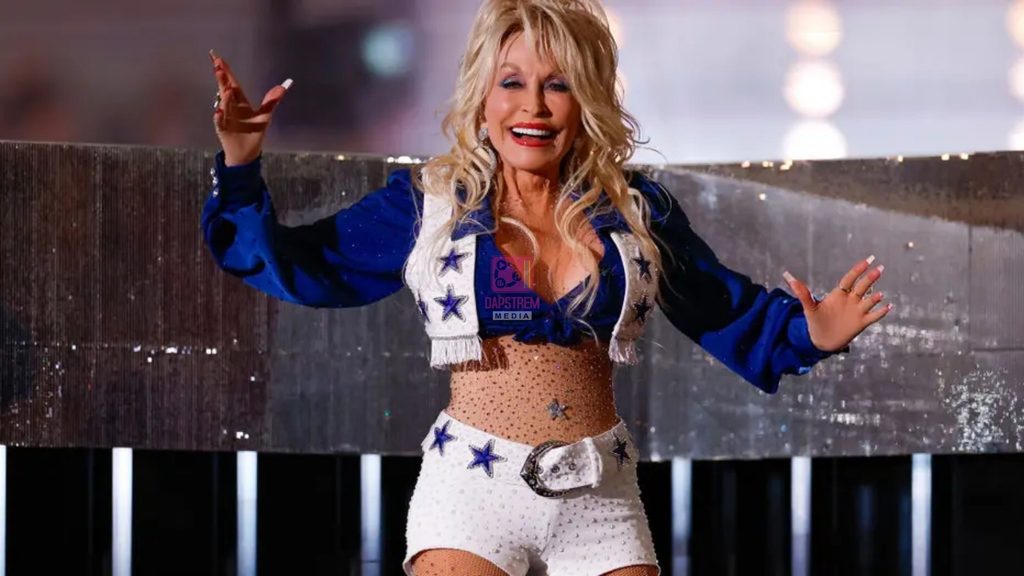
The Imagination Library therefore became one of the clearest expressions of who she was: a woman who had escaped poverty without forgetting what poverty felt like.
Her philanthropy extended far beyond literacy. She donated $1 million toward COVID-19 vaccine research, supported disaster relief and contributed to numerous charitable and community causes.
This generosity helped create another dimension of her public image. Fans affectionately called her “Saint Dolly,” but Parton herself generally treated philanthropy with the same practicality and humor she brought to everything else.
A legacy larger than country music
It is tempting to describe Parton simply as a country music legend. The phrase is accurate, but ultimately too small.
Her influence crossed generations.
Older country listeners knew her from her Nashville years. Pop audiences knew “9 to 5” and “I Will Always Love You.” Film audiences knew her from 9 to 5 and Steel Magnolias. Younger generations encountered her through television, streaming, collaborations and her connection to artists including Miley Cyrus.
She could occupy seemingly contradictory cultural spaces at the same time. She was deeply associated with conservative rural Tennessee and yet embraced audiences and communities far beyond that world. She was a symbol of traditional American entertainment and simultaneously a figure celebrated by LGBTQ audiences. She was a devout Christian who generally resisted the temptation to turn religion into a weapon against other people.
That broad appeal was not accidental.
Parton understood that kindness could be a cultural language.
She rarely demanded that people agree with her about everything. Instead, she tried to make people feel welcome.
The final chapter
Parton’s last years were marked by both achievement and loss.
Her husband, Carl Dean, whom she had married in 1966, died in March 2025. Their marriage had lasted nearly six decades, much of it outside the glare of celebrity culture. His death deeply affected Parton.
In August 2026, shortly before her death, Parton publicly acknowledged that she had been dealing with health problems. Even then, she continued to discuss new projects and creative ambitions. She had been developing plans connected to her life and career, and she continued to speak about work rather than retirement.
That determination was characteristic.
Parton spent much of her life behaving as though there was another song to write, another child to help, another business to build or another audience to reach.
Then, on August 25, 2026, her journey ended in Nashville.
She was 80.
What remains
The simplest measure of Dolly Parton’s legacy is the music.
There are the thousands of songs she wrote. There are the recordings by Parton herself and the countless interpretations by other artists. There are songs that have become standards, films that remain cultural landmarks and performances that continue to introduce her to new generations.
But the deeper measure is harder to quantify.
It is the child who received a book because Dolly Parton believed every child deserved one.
It is the aspiring songwriter who learned that a woman from rural Tennessee could walk into Nashville and demand to be heard.
It is the performer who discovered that crossing from country into pop did not require abandoning her roots.
It is the entrepreneur who turned personal success into jobs and investment in the region where she was raised.
And it is the millions of people who found in her songs a vocabulary for emotions they could not otherwise explain.
Parton’s life was, in many ways, the ultimate American country-music narrative: a poor girl from the mountains who dreamed beyond the horizon and became famous around the world.
But the most important part of the story is what she did after she escaped.
She remembered where she came from.
The Country Music Hall of Fame has described her career as one in which she repeatedly overcame obstacles and ignored those who underestimated her. Its assessment captures why her place in American culture is likely to endure: Parton did not merely succeed within an existing system. She expanded the possibilities of what a country artist could become.
Dolly Parton leaves behind songs, films, businesses, awards and memories. More importantly, she leaves behind institutions designed to keep doing good after she is gone.
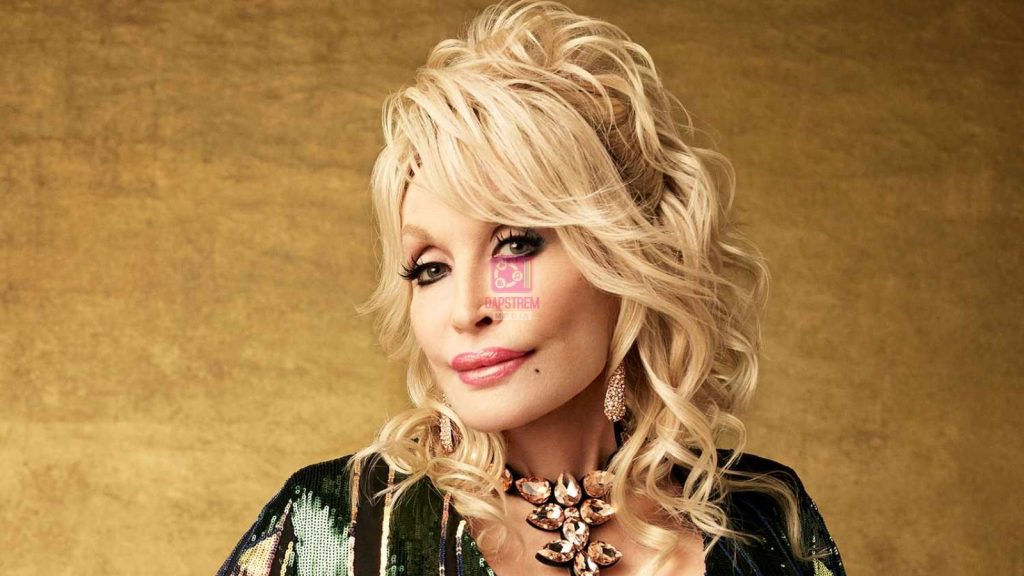
That may be the most fitting ending for a woman who spent her life turning personal success into something other people could inherit.
The records will remain.
The songs will be sung.
The books will keep arriving in children’s homes.
And somewhere, in the Appalachian mountains she never truly left behind, Dolly Parton’s voice will continue to sound like home.