

Traffic Act Kenya Rules Target Dangerous Passenger Behaviour
Traffic Act Kenya provisions are once again attracting attention following a legal explainer warning motorists and passengers against dangerous ways of travelling in moving vehicles.
The warning is particularly relevant to people who sit on window frames, stand through sunroofs, hang from vehicles or travel on parts of a car that are not designed for passengers.
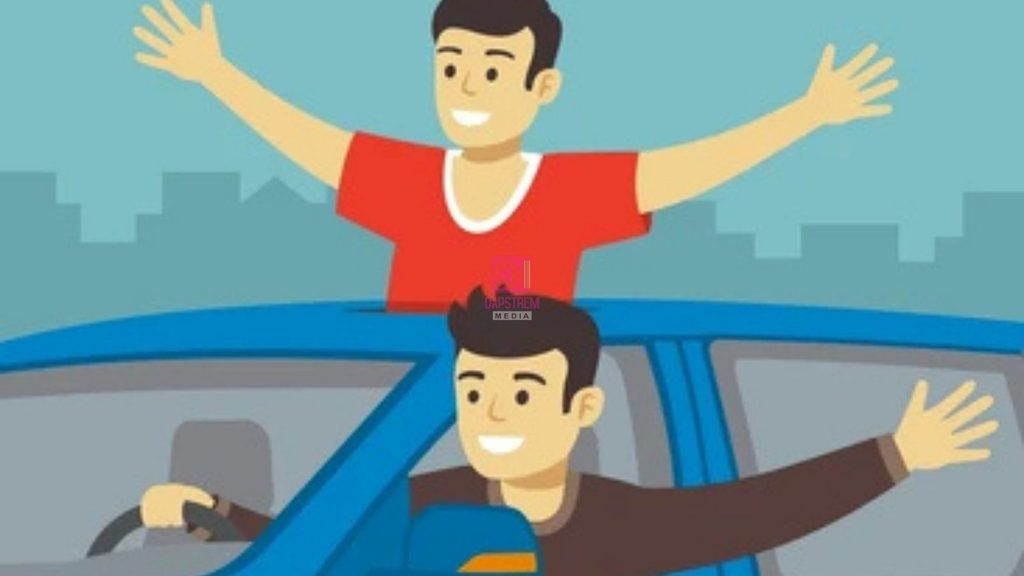
According to an explainer by Advocate Mutua Josphat of F.M. Muteti and Co. Advocates, these practices can put passengers at risk and may also amount to offences under Kenya’s traffic laws.
The restrictions apply when vehicles are travelling on public roads.
Can You Stand Through a Sunroof?
That popular celebratory move of standing through a vehicle’s sunroof could come with legal consequences.

The same applies to passengers sitting on window frames or allowing large parts of their bodies to extend outside a moving vehicle.
While such behaviour can sometimes appear harmless when a vehicle is moving slowly, the law does not simply depend on speed.
The bigger concern is passenger safety.
A sudden brake, collision or change in direction could cause someone travelling in an unsafe position to fall or suffer serious injuries.
What Section 61 Says
Section 61 of the Traffic Act, Cap 403, prohibits passengers from riding or being carried on certain exposed parts of a vehicle.
These include areas such as roofs, footboards, steps, tailboards and mudguards, except in circumstances specifically permitted by law.
The provision is intended to prevent passengers from being carried in positions that expose them to unnecessary danger.
That means climbing onto the roof of a vehicle for a celebration is not automatically acceptable simply because the driver is travelling slowly.
Body Parts Protruding From Vehicles
Rule 80 of the Traffic Rules also deals with passengers allowing parts of their bodies to protrude from moving vehicles.
There are limited exceptions, including situations involving emergencies and signalling.
For ordinary celebrations, however, passengers cannot assume that sticking their heads, arms or upper bodies outside a moving vehicle is permitted.
This is particularly important during large public celebrations where people sometimes turn vehicles into temporary viewing platforms.
Weddings and Funerals Are Not Automatic Exceptions
Wedding convoys are a familiar sight on Kenyan roads.
So are funeral processions and celebratory convoys after major sporting victories.
The atmosphere can become extremely energetic, with passengers sometimes standing through sunroofs, sitting on windows or hanging from vehicles.
However, these occasions do not automatically exempt motorists and passengers from traffic regulations.
The Traffic Act Kenya provisions continue to apply on public roads.
Celebration does not mean traffic laws disappear.
Seatbelts Still Matter
Passenger safety does not stop with where someone sits.
Motorists and passengers are also expected to comply with seatbelt requirements.
Travelling without a seatbelt or choosing an unsafe position inside a vehicle can increase the risk of serious injury during a crash.
For drivers, allowing passengers to travel in dangerous positions can also create additional legal problems.
A driver is responsible for operating the vehicle safely and should not encourage behaviour that puts passengers or other road users at risk.
What Happens If Someone Is Injured?
The legal consequences can become more serious when dangerous driving results in a death.
In such circumstances, a driver could potentially face more serious criminal charges depending on the circumstances of the incident.
That is why what may initially look like harmless fun can become a serious matter within seconds.
A celebration may last a few minutes.
The consequences of a road accident can last a lifetime.
Why Kenyans Should Pay Attention
The discussion around the Traffic Act Kenya rules comes at an important time as social media continues to influence how people celebrate and record their experiences.
A convoy can quickly become content for TikTok, Instagram or Facebook.
Passengers may be tempted to perform stunts simply because they want a dramatic video.
But social-media views are not worth putting someone’s life at risk.
A viral clip can disappear from people’s timelines in a few days.
An accident can have permanent consequences.
The Traffic Act Kenya rules serve as an important reminder that public roads are not playgrounds.
Whether it is a wedding convoy, funeral procession, victory celebration or ordinary journey, passengers should remain inside the vehicle and avoid dangerous positions.
Standing through a sunroof might look exciting.
Hanging from a moving vehicle might make for an attention-grabbing video.
But neither is worth risking a serious accident or facing legal consequences.
Kenya’s roads already present enough challenges without passengers turning moving vehicles into balconies.
Celebrate, enjoy the moment and take the photos — but keep your body inside the vehicle and your feet firmly on the floor.