
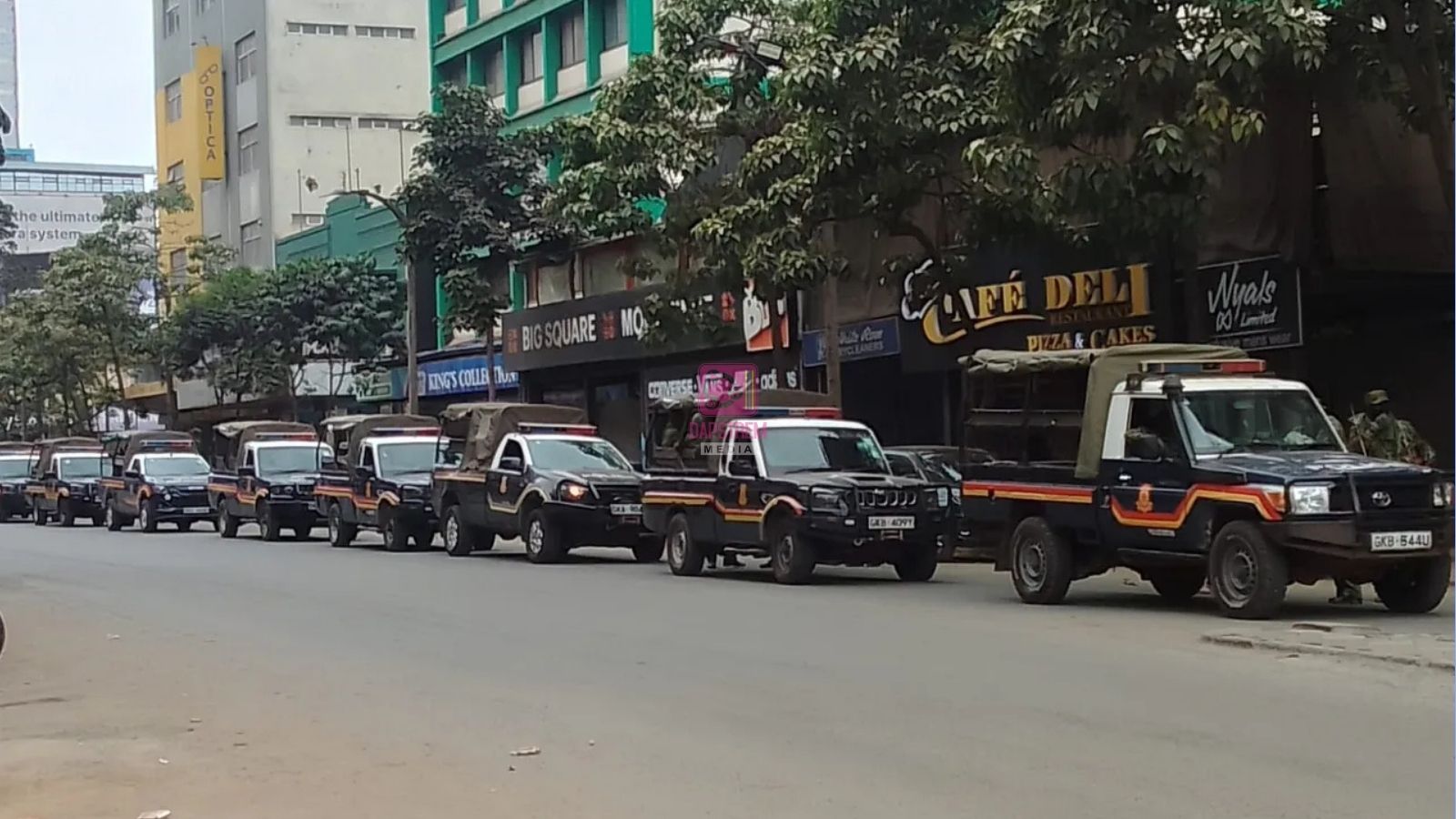
Widespread police roadblocks, vehicle screenings and route closures trigger major traffic disruptions across Nairobi as security agencies intensify deployment during Gen Z anniversary demonstrations.
Nairobi and its surrounding areas experienced significant traffic disruptions and movement restrictions as security agencies mounted widespread roadblocks and checkpoints during the Gen Z anniversary demonstrations. The heightened security presence across major highways, roads, and entry points into the capital led to massive congestion, long delays, and frustration among thousands of commuters attempting to access the Central Business District (CBD) and other parts of the city.
From the early hours of the day, reports emerged from multiple locations indicating that police had intensified security operations, establishing checkpoints along key routes leading into Nairobi. The measures resulted in restricted access for both public service vehicles (PSVs) and private motorists, with many commuters forced to seek alternative routes or abandon their journeys altogether.
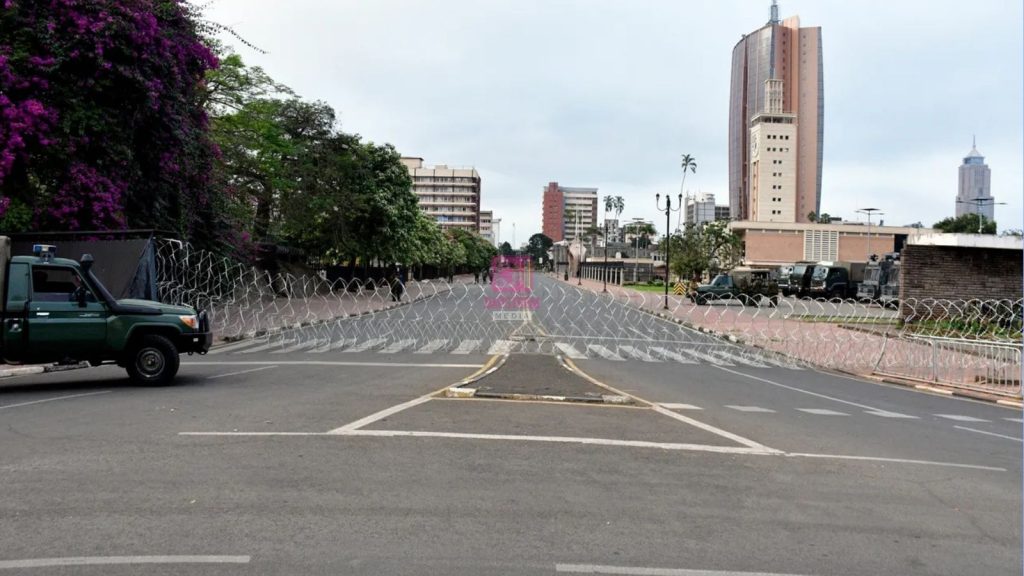
The extensive deployment came as authorities sought to manage security concerns surrounding the anniversary demonstrations organized by Gen Z activists. The commemorations, which have attracted significant public attention, prompted security agencies to increase surveillance and control movement in strategic locations across the city.
One of the most affected areas was Kangemi, where numerous public service vehicles were reportedly stopped and turned back before reaching the city center. Commuters who rely on matatus and buses found themselves stranded as operators were denied access toward Nairobi’s CBD. Many passengers were forced to disembark and continue their journeys on foot, while others waited for hours hoping transport services would resume.
Along Waiyaki Way, one of Nairobi’s busiest transport corridors, traffic flow was severely disrupted following the establishment of roadblocks near the 87 area in Uthiru. Additional checkpoints at the Kangemi flyover further compounded the situation, creating lengthy traffic jams that stretched for several kilometers. The disruptions affected not only commuters heading into town but also motorists attempting to leave the city.
The Nairobi Central Business District itself witnessed a heavy police presence, particularly around the General Post Office (GPO) area. Security officers maintained a strong presence on major streets and intersections, while motorists were advised to approach the area with caution due to increased security checks and possible restrictions. The deployment significantly altered normal traffic patterns within the city center.
Elsewhere, Lang’ata Road experienced major interruptions after inbound traffic toward the city was reportedly blocked at Nyayo Stadium. The closure created significant delays for motorists traveling from Lang’ata, Karen, and neighboring areas. Traffic quickly built up as drivers sought alternative routes, many of which were already experiencing congestion due to the broader security operation.
The impact of the restrictions was also felt in Rongai, where the Masai Lodge Junction became a major bottleneck. Heavy roadblocks reportedly caused extensive traffic disruption, affecting both residents and travelers moving between Kajiado County and Nairobi. Long queues of vehicles formed as security officers conducted screenings and restricted movement along certain sections of the route.
Ngong Road, another critical artery connecting Nairobi’s western suburbs to the city center, also experienced heightened security activity. Multiple checkpoints were established along inbound lanes, with officers reportedly stopping and screening vehicles near the West Park area. The inspections slowed traffic significantly and contributed to widespread delays during peak travel hours.
The Nairobi West Roundabout, a key junction connecting several major roads, was among the locations completely closed to traffic. Reports indicated that no vehicles were being allowed beyond the junction, forcing motorists to make abrupt route changes and creating confusion among commuters unfamiliar with alternative roads.
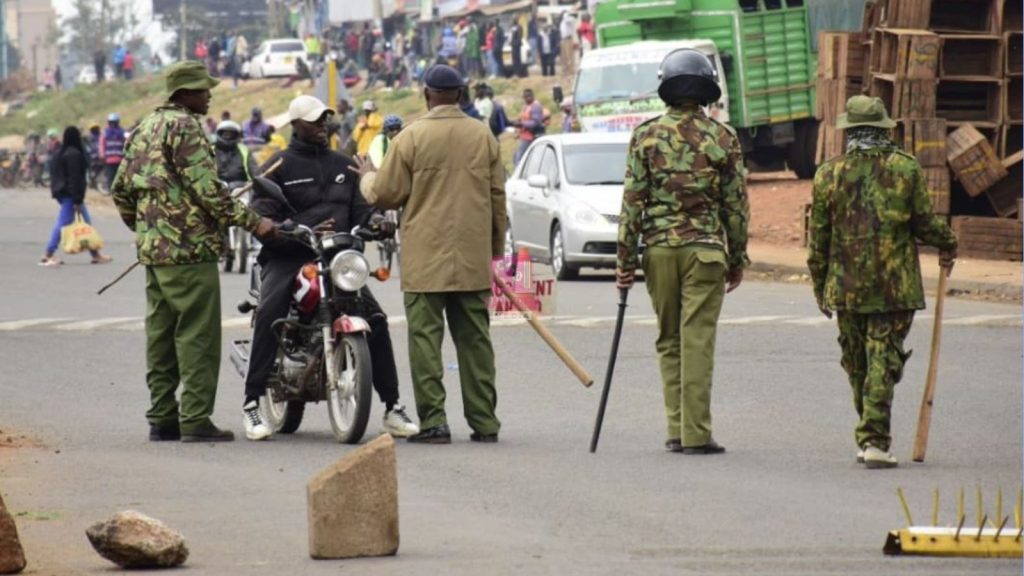
Further north, the Thika Road corridor witnessed some of the most extensive disruptions of the day. Roadblocks near TRM and surrounding sections resulted in multiple diversions and severe traffic congestion. Areas including Ruiru, Githurai, and Allsops reported significant police activity, with public service vehicles allegedly prevented from proceeding into the CBD while private motorists underwent screening before being allowed to continue.
The restrictions along Thika Road had a ripple effect across neighboring areas, causing congestion on feeder roads and secondary routes. Many commuters who ordinarily rely on the highway faced prolonged travel times as authorities maintained strict movement controls.
The Westlands and Kiambu corridors were similarly affected. Motorists reported slow-moving traffic and frequent delays as cascading checkpoints along connecting roads created bottlenecks. The cumulative effect of multiple security barriers made movement unpredictable, with journey times increasing substantially across the region.
Kingero Junction, located at the intersection of Lower Kabete Road and the Western Bypass, also emerged as a major disruption point. Public service vehicles were reportedly turned back, while private motorists faced restrictions when attempting to proceed toward the city center. The measures added pressure to nearby roads as drivers searched for alternative entry routes into Nairobi.
Outside the capital, Limuru Town experienced unusual congestion characterized by long queues of vehicles, particularly trucks. While the exact cause of the delays was not immediately clear, the buildup of traffic suggested broader disruptions affecting movement along major transport corridors connected to Nairobi.
The widespread deployment of security personnel and roadblocks reflects the authorities’ efforts to maintain order during the anniversary demonstrations. However, the measures also generated significant inconvenience for ordinary citizens attempting to go about their daily activities. Workers, students, traders, and business owners were among those affected by the movement restrictions.
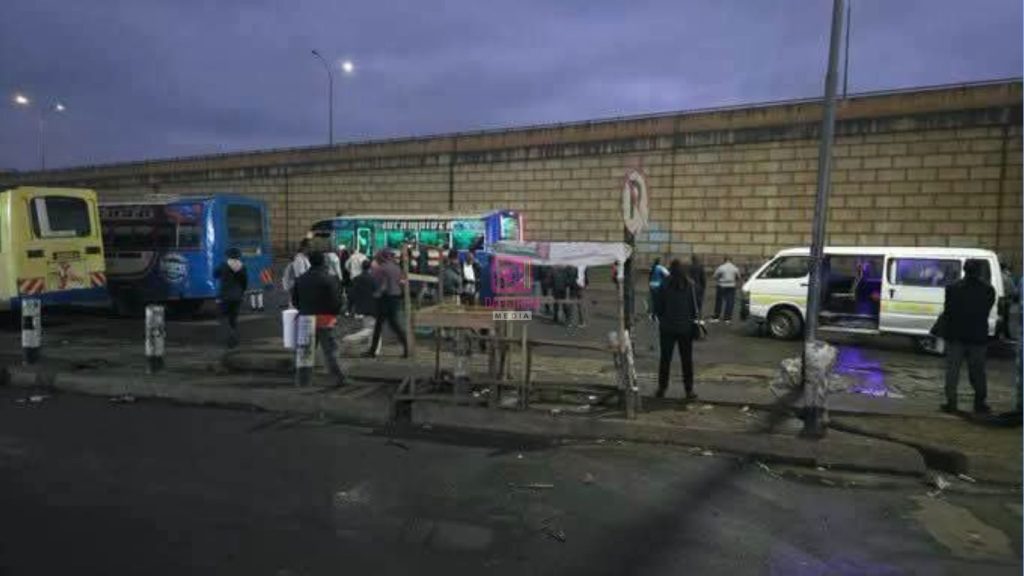
Public transport operators also faced considerable challenges as route closures and vehicle restrictions disrupted normal operations. Many matatus were unable to complete their regular trips, affecting both revenue collection and passenger mobility. The situation left thousands of commuters scrambling for alternative means of transport.
The economic impact of the disruptions was evident throughout the day. Businesses dependent on customer traffic experienced reduced activity, while delays in the movement of goods and services affected commercial operations in various parts of Nairobi and neighboring towns. Delivery services, logistics companies, and transport operators were among those forced to adjust their schedules due to road closures and diversions.
For many residents, the events highlighted the delicate balance between maintaining security and ensuring the smooth functioning of urban life. While security agencies emphasized the importance of safeguarding public order, commuters expressed concerns about the scale of disruptions and the uncertainty surrounding travel plans.
As the demonstrations continued, authorities urged members of the public to remain patient, cooperate with security personnel, and stay informed about changing traffic conditions. Motorists were encouraged to use alternative routes where possible and allow extra travel time due to the likelihood of additional delays and diversions.
The extensive roadblocks and traffic restrictions underscored the significance of the Gen Z anniversary demonstrations and the heightened security environment surrounding the commemorations. Whether viewed as a necessary precaution or a source of inconvenience, the operation had a profound impact on mobility across Nairobi and its surrounding regions.
As the situation evolves, commuters and businesses alike will continue monitoring developments closely, hoping for a return to normal traffic flow once security operations are scaled down and major roads are fully reopened. For now, however, movement across several of Nairobi’s key transport corridors remains heavily affected, with authorities maintaining a strong presence throughout the city and its outskirts.