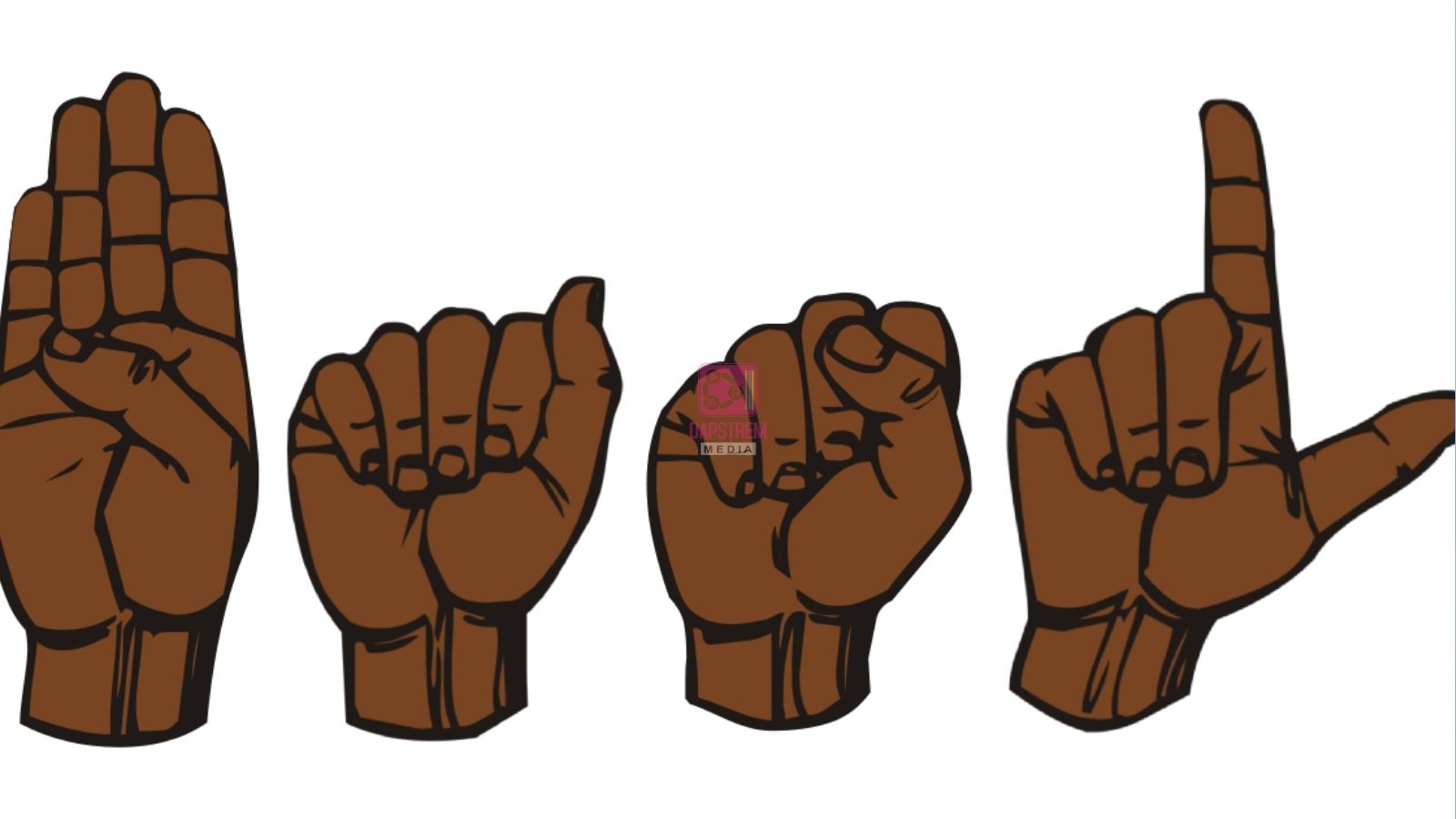
National Assembly approves landmark Bill recognizing Kenya Sign Language as an official language, boosting accessibility and inclusion for the deaf community.
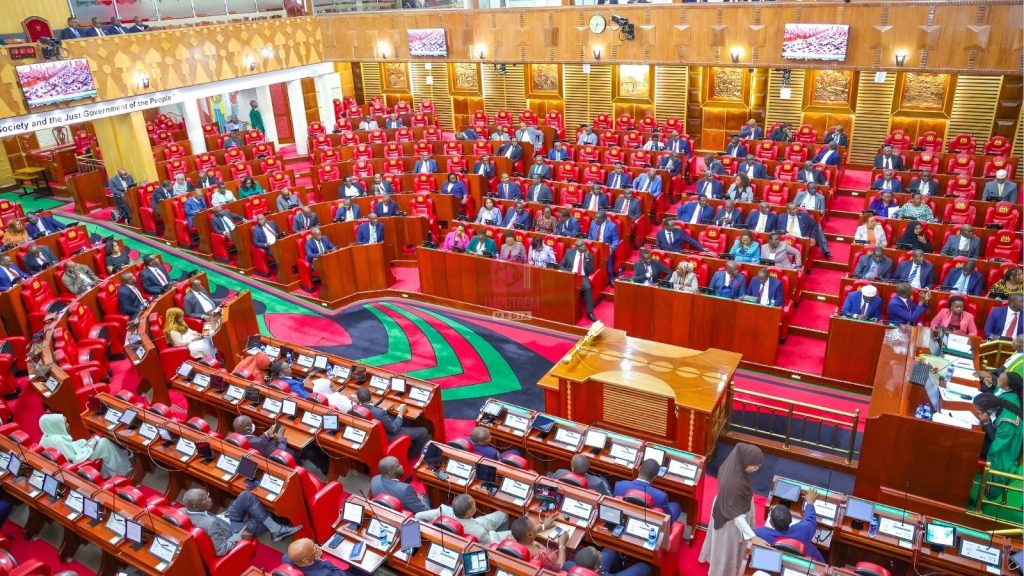
Kenya has taken a significant step toward promoting inclusivity and protecting the rights of persons with disabilities after the National Assembly passed the Kenya Sign Language Bill, a landmark piece of legislation that formally recognizes Kenya Sign Language as an official language. The move has been widely hailed by disability rights advocates, educators, and members of the deaf community as a major milestone in the country’s journey toward equality, accessibility, and social inclusion.
The passage of the Bill represents more than just a legal reform. For thousands of deaf and hard-of-hearing Kenyans, it is a recognition of their identity, culture, and right to communicate in a language that has often been overlooked in public policy and service delivery. The legislation is expected to strengthen access to education, healthcare, justice, employment opportunities, and government services by ensuring greater recognition and use of sign language across public institutions.
For years, members of the deaf community have faced numerous barriers when attempting to access essential services. Communication challenges have often limited their ability to engage effectively with healthcare providers, teachers, employers, police officers, court officials, and government agencies. In many cases, the absence of qualified sign language interpreters has resulted in exclusion from critical information and opportunities that many other citizens take for granted.
The recognition of Kenya Sign Language as an official language seeks to address these longstanding challenges by establishing a stronger legal framework that promotes accessibility and inclusion. It reinforces the principle that communication is a fundamental right and that no Kenyan should be disadvantaged because of a disability.
The Bill is also expected to support the implementation of constitutional provisions that protect the rights of persons with disabilities. Kenya’s Constitution already recognizes the importance of accessibility and equality before the law. However, advocates have long argued that additional legislation was necessary to translate those principles into practical measures that can improve the daily lives of deaf citizens.
One of the most significant implications of the legislation is likely to be felt within the education sector. Deaf learners have often encountered obstacles due to limited availability of sign language-trained teachers, inadequate learning materials, and inconsistent support systems. The formal recognition of Kenya Sign Language could encourage greater investment in specialized training programs for educators and improved educational resources tailored to the needs of deaf students.
Education experts argue that language plays a central role in learning and cognitive development. By recognizing sign language as an official language, the country is acknowledging that deaf learners have the right to receive education in a language they fully understand. This could contribute to improved academic outcomes and increased participation in higher education.
The healthcare sector is another area where the impact of the legislation may be profound. Effective communication between patients and healthcare providers is essential for accurate diagnosis, treatment, and informed decision-making. Many deaf individuals have previously faced difficulties accessing healthcare services due to the absence of sign language interpretation. The new legal recognition is expected to strengthen calls for healthcare facilities to become more accessible and responsive to the needs of deaf patients.
The justice system also stands to benefit from the reforms. Access to justice depends heavily on communication and understanding of legal processes. For deaf individuals, navigating police stations, courtrooms, and legal proceedings can be particularly challenging without interpretation services. By elevating the status of sign language, the legislation could help strengthen procedural fairness and ensure equal treatment before the law.
Employment opportunities may also improve as awareness grows regarding the rights and capabilities of deaf individuals. Workplace inclusion has become an increasingly important issue globally, with employers being encouraged to create environments that accommodate diverse needs. The official recognition of sign language sends a strong message that communication accessibility should be considered an integral part of workplace equality.
Supporters of the Bill argue that it also carries important symbolic value. Language is closely linked to identity, culture, and belonging. For the deaf community, official recognition affirms that sign language is not merely a communication tool but a legitimate language with its own structure, history, and cultural significance.
The passage of the legislation places Kenya among countries that have taken deliberate steps to recognize sign languages within their legal frameworks. Around the world, governments are increasingly acknowledging the importance of linguistic diversity and the need to protect the rights of deaf communities through legal and policy reforms.
Advocates have welcomed the National Assembly’s decision, describing it as a victory achieved through years of awareness campaigns, advocacy efforts, and engagement with policymakers. Disability rights organizations have consistently argued that meaningful inclusion requires more than goodwill; it requires legal protections that compel institutions to accommodate diverse communication needs.
While the passage of the Bill is being celebrated, stakeholders emphasize that implementation will be critical. Laws alone do not automatically translate into change. Government agencies, educational institutions, healthcare providers, media organizations, and employers will need to take practical steps to ensure that the objectives of the legislation are realized.
This may include recruiting and training more sign language interpreters, integrating sign language into public communication systems, developing accessible learning materials, and ensuring that public information is available in formats that can be understood by deaf individuals. Such measures will require investment, planning, and collaboration between government and civil society organizations.
The media sector is also expected to play an important role. Accessible communication during news broadcasts, public announcements, emergency alerts, and national events can significantly improve the inclusion of deaf citizens in public life. Many advocates hope the legislation will accelerate efforts to expand sign language interpretation across television, digital platforms, and government communication channels.
The Bill’s passage reflects a broader shift toward recognizing diversity and ensuring that all citizens can participate fully in national development. Inclusion is increasingly viewed not only as a human rights issue but also as a social and economic necessity. When barriers to participation are removed, individuals are better able to contribute their skills, talents, and perspectives to society.
For the deaf community, the legislation represents recognition that has been sought for many years. It acknowledges the importance of communication accessibility and reinforces the principle that all citizens deserve equal opportunities regardless of disability.
As the Bill moves through the remaining legislative and implementation stages, many will be watching to see how its promises are translated into reality. Expectations are high that the recognition of Kenya Sign Language as an official language will lead to meaningful improvements in access to education, healthcare, justice, employment, and public services.
The National Assembly’s decision marks a historic moment in Kenya’s pursuit of a more inclusive society. It signals a commitment to ensuring that every citizen, regardless of hearing ability, is recognized, respected, and empowered to participate fully in national life. If effectively implemented, the legislation could become one of the most significant advancements for disability rights and social inclusion in the country’s recent history.