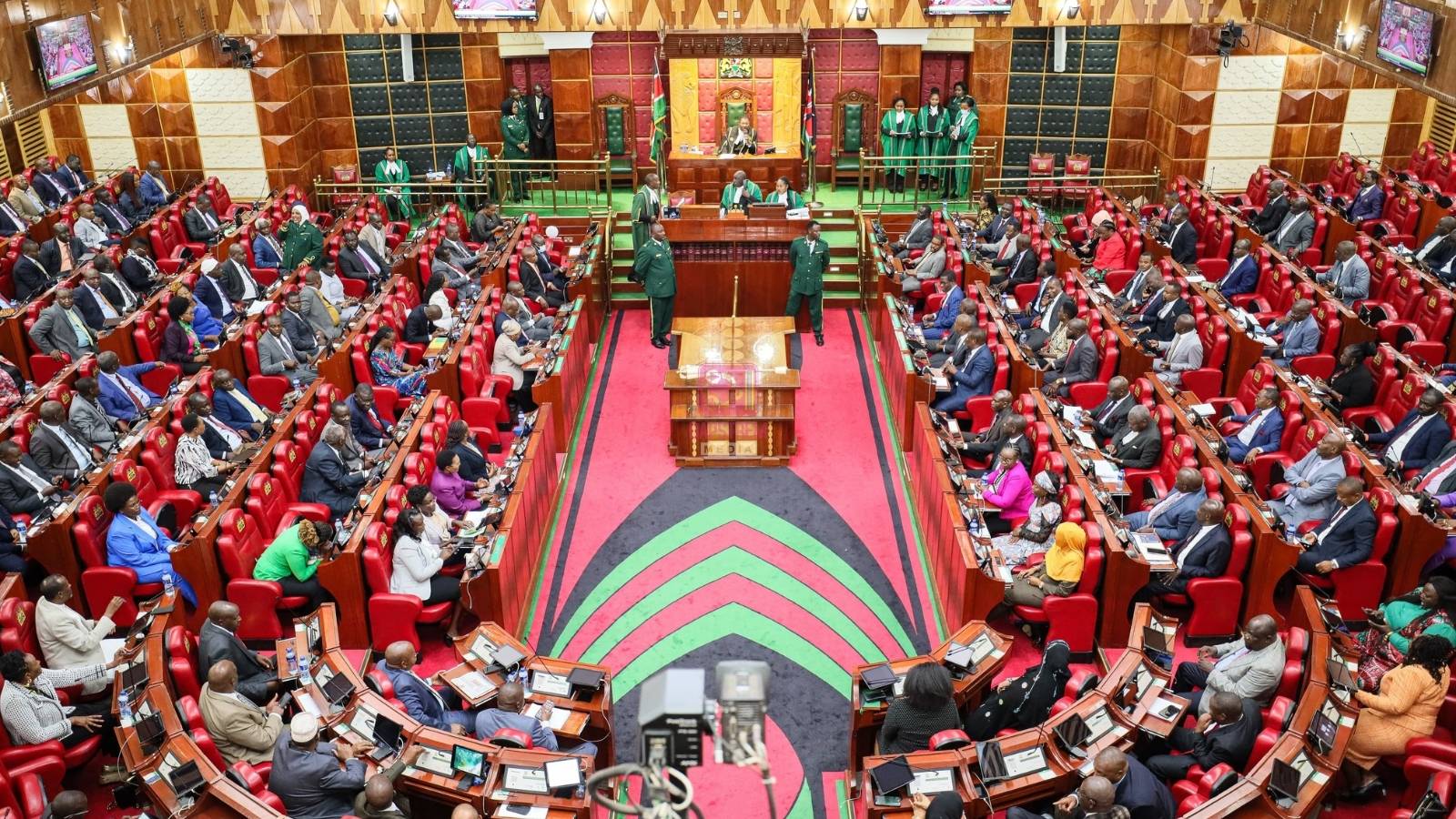
National Assembly Approves Finance Bill 2026 After Heated Debate
Kenya’s National Assembly has passed the Finance Bill 2026 after a lengthy and closely watched parliamentary process, marking a significant moment in the country’s fiscal and economic agenda. The bill sailed through the House with 122 Members of Parliament voting in support while 40 opposed it, reflecting both the government’s numerical strength in Parliament and the continuing divisions over taxation, public spending, and the country’s economic direction.
The passage of the Finance Bill comes at a time when many Kenyans are grappling with the high cost of living, rising public debt obligations, unemployment, and concerns about economic growth. As a result, the debate surrounding the legislation attracted considerable public attention, with citizens, businesses, civil society organizations, and political leaders closely monitoring every stage of the parliamentary proceedings.
For the government, the bill represents an important instrument for raising revenue needed to finance development projects, fund public services, and support the implementation of the national budget. For critics, however, it raises concerns about the burden additional taxes and levies may place on households and businesses already struggling under difficult economic conditions.
The voting outcome underscored the political realities within Parliament. While government-allied lawmakers rallied behind the proposed measures, opposition legislators and a number of independent-minded MPs expressed reservations about certain provisions, arguing that they could negatively affect ordinary citizens and the private sector.
Throughout the parliamentary debate, lawmakers examined various clauses of the bill, discussing their potential impact on sectors ranging from agriculture and manufacturing to digital services, transport, housing, and financial services. Several MPs argued that the government must strike a delicate balance between generating revenue and ensuring that economic growth is not stifled by excessive taxation.
Supporters of the Finance Bill maintained that the country requires a stable and sustainable revenue base to fund essential services such as healthcare, education, infrastructure, security, and social protection programs. They argued that failure to increase domestic revenue collection would leave Kenya increasingly dependent on borrowing, thereby worsening the country’s debt burden.
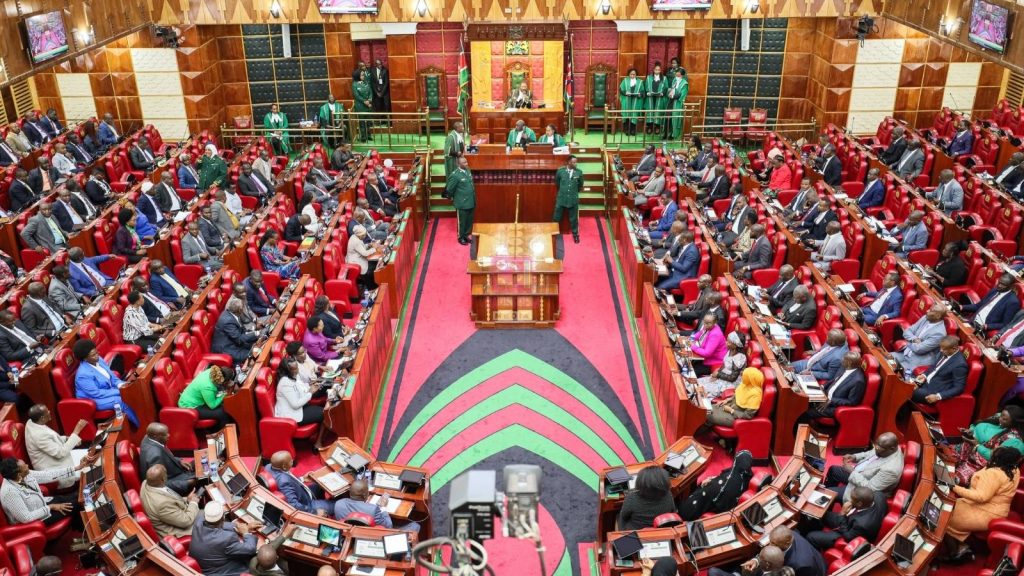
According to proponents, the Finance Bill is designed to strengthen fiscal sustainability by broadening the tax base, improving tax administration, and closing loopholes that have historically led to revenue leakages. Government supporters emphasized that enhanced revenue collection is necessary if Kenya is to meet its development objectives while reducing reliance on external financing.
During the debate, several MPs pointed to the government’s ongoing efforts to modernize tax collection systems through technology and digital platforms. They argued that such measures would improve compliance, increase efficiency, and ensure greater fairness in revenue collection.
However, opponents of the bill presented a different perspective. They contended that many Kenyan families are already facing economic hardships due to rising prices of essential commodities, increased utility costs, and limited employment opportunities. In their view, introducing additional taxes or expanding existing tax measures could further strain household budgets.
Critics also raised concerns about the potential impact on small and medium-sized enterprises, which form the backbone of Kenya’s economy. They warned that higher taxation could discourage investment, reduce business expansion, and ultimately affect job creation. Some lawmakers called on the government to focus more aggressively on reducing wastage, combating corruption, and improving efficiency in public expenditure before seeking additional revenue from taxpayers.
The Finance Bill debate also reignited broader discussions about accountability in public finance management. Several legislators argued that citizens would be more willing to support tax measures if they could clearly see tangible benefits arising from government spending. They emphasized the importance of transparency, prudent use of public resources, and effective monitoring of development projects.
Outside Parliament, reactions to the bill reflected the diversity of opinions across the country. Business associations, economic analysts, trade unions, and civil society groups offered varying assessments of the legislation. While some acknowledged the necessity of raising government revenue, others questioned whether the timing was appropriate given current economic challenges.
Economists noted that governments around the world often face difficult choices when balancing revenue collection with economic growth. They observed that Kenya’s fiscal pressures, including debt servicing obligations and increasing demand for public services, have intensified the need for sustainable domestic revenue sources. At the same time, they cautioned that policymakers must remain sensitive to the potential economic effects of taxation measures.
The Finance Bill 2026 arrives against the backdrop of heightened public awareness regarding tax policy. In recent years, fiscal legislation has become one of the most scrutinized aspects of governance, with citizens increasingly demanding participation in policy discussions and greater transparency from public institutions. Public engagement during the legislative process demonstrated the growing interest of Kenyans in matters affecting taxation and public finance.
Political observers believe the vote may also have implications beyond economic policy. The division recorded during the voting process offers insight into evolving political alignments and priorities within Parliament. With the next electoral cycle gradually approaching, many lawmakers are keenly aware of the political sensitivity surrounding tax-related decisions.
Following its approval by the National Assembly, the Finance Bill now moves to the next stages of the legislative process before becoming law. Once enacted, the various provisions contained in the legislation will begin shaping government revenue collection and economic policy implementation for the coming financial year.
The government is expected to continue engaging stakeholders as implementation begins, particularly in areas where concerns have been raised regarding compliance, enforcement, and economic impact. Effective communication will likely be crucial in helping citizens and businesses understand the changes introduced under the new law.
For millions of Kenyans, the ultimate test of the Finance Bill will not be the parliamentary vote itself but its real-world effects. Citizens will be watching closely to determine whether the measures lead to improved public services, stronger economic growth, better infrastructure, and enhanced opportunities for employment and investment.
As the country enters a new fiscal period, the passage of the Finance Bill 2026 represents more than a legislative milestone. It reflects the ongoing challenge of balancing government revenue needs with the economic realities faced by ordinary citizens. The debate that accompanied its passage has highlighted the importance of fiscal responsibility, accountability, and inclusive policymaking in shaping Kenya’s future.
Whether viewed as a necessary step toward economic stability or as a controversial measure that may increase financial pressure on taxpayers, the Finance Bill 2026 is set to play a central role in Kenya’s economic conversation in the months ahead. The overwhelming support from 122 MPs against 40 opponents ensures that the legislation has cleared a major hurdle, but discussions about its impact are likely to continue long after the parliamentary vote has been concluded.