Young People Account for 62% of New HIV Infections in 2026 as Nairobi Tops List of High-Burden Counties
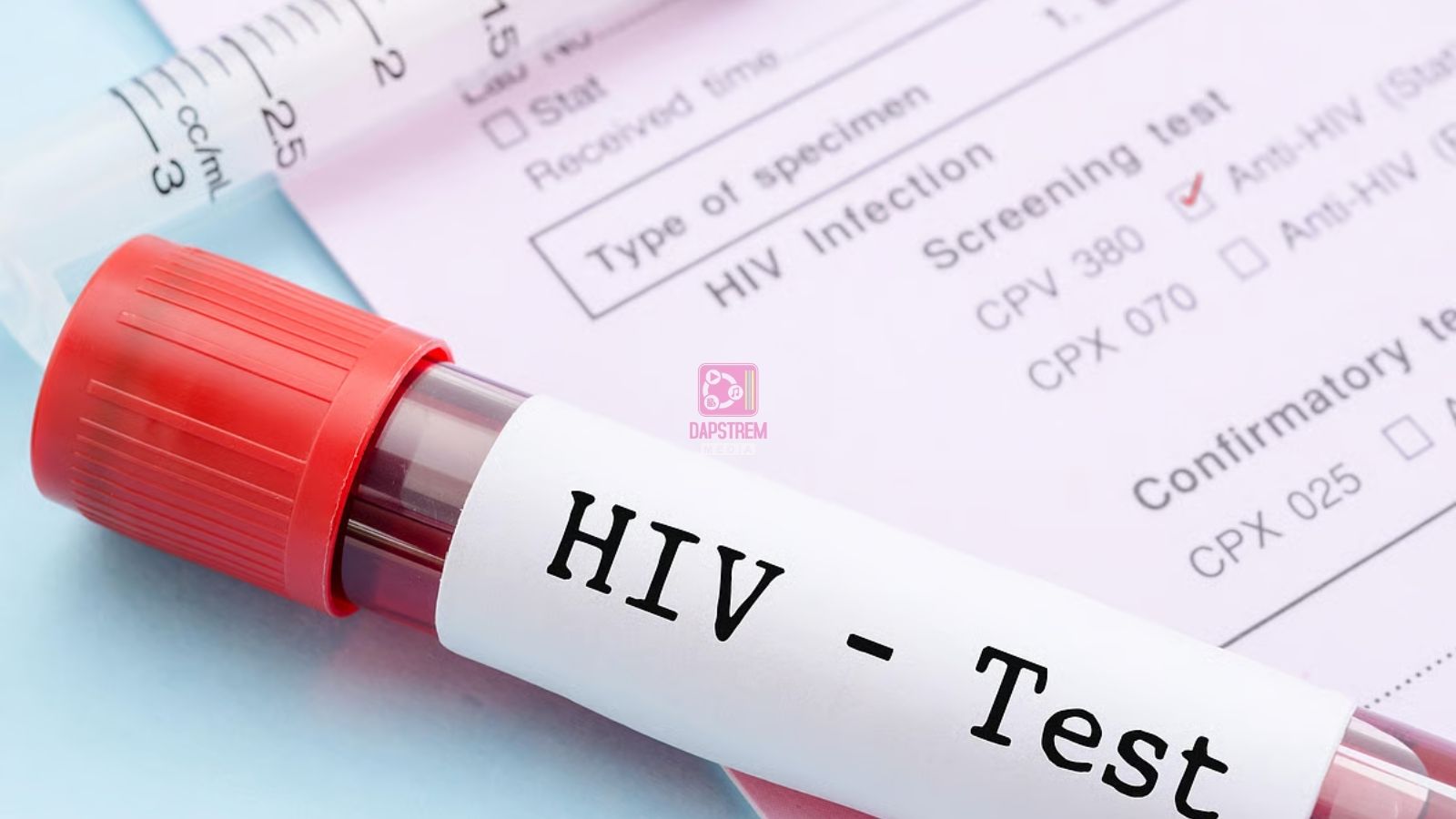
Kenya’s latest HIV and AIDS surveillance data for 2026 has revealed a deeply concerning trend that is once again drawing national attention to the state of youth health and urban infection patterns. According to the report, young people now account for approximately 62% of all new HIV infections in the country, with Nairobi emerging as the leading hotspot among high-burden counties. The findings have sparked renewed calls for stronger prevention strategies, expanded education campaigns, and more accessible testing and treatment services, especially among adolescents and young adults.
The figures point to a shifting but persistent challenge in Kenya’s long fight against HIV, a battle that has seen both major progress and ongoing setbacks over the past decades. While antiretroviral therapy (ART) has significantly improved life expectancy and reduced AIDS-related deaths, new infections among younger populations remain a critical concern. Health experts warn that unless targeted interventions are strengthened, the country risks slowing down or even reversing some of the gains achieved in HIV control.
Nairobi’s position at the top of the list of high-burden counties is particularly significant. As Kenya’s capital and largest urban center, the city represents a complex mix of opportunity and vulnerability. High population density, rapid urbanization, informal settlements, unemployment, and increased mobility all contribute to conditions that can accelerate the spread of infections. At the same time, Nairobi is also home to some of the country’s most advanced healthcare facilities, HIV treatment centers, and awareness programs, highlighting a stark contrast between access and risk.
Health officials note that the high proportion of new infections among young people is driven by a combination of social, economic, and behavioral factors. Many young individuals face limited access to accurate sexual health information, stigma around HIV testing, and barriers to using prevention tools such as condoms or pre-exposure prophylaxis (PrEP). In addition, peer pressure, early sexual debut, substance use, and transactional relationships have all been identified as contributing risk factors in different communities across the country.
Urban centers like Nairobi tend to amplify these challenges. In informal settlements, where economic hardship is widespread, young people are often more exposed to risky environments. Limited access to youth-friendly health services can also discourage early testing and consistent treatment adherence. In some cases, fear of discrimination or lack of privacy prevents individuals from seeking help until the disease has already progressed.
Despite these challenges, Kenya has made notable progress in expanding HIV services. The widespread availability of antiretroviral drugs has transformed HIV from a fatal illness into a manageable chronic condition for many people living with the virus. National programs have also increased awareness campaigns in schools, universities, and community centers, aiming to educate young people about prevention and early diagnosis.
However, experts argue that these efforts must now evolve to match changing social dynamics. The rise of digital platforms and social media has reshaped how young people access information, interact, and form relationships. Health communication strategies are increasingly being urged to adapt to these platforms in order to reach younger audiences more effectively. Traditional messaging alone, some analysts suggest, may no longer be sufficient to influence behavior at scale.
The report also highlights disparities across counties, with urban areas bearing a heavier burden compared to rural regions in certain age groups. While rural communities still face challenges related to healthcare access and stigma, urban youth appear to be more exposed to behavioral and social risk factors that drive new infections. This dual reality underscores the need for tailored interventions that reflect the specific circumstances of different populations.
Public health experts are particularly concerned about the long-term implications of the 62% figure. Young people represent the most economically active and socially dynamic segment of the population. A high infection rate within this group not only affects individual health outcomes but also has broader implications for productivity, education, and national development. If not addressed effectively, the trend could place additional strain on Kenya’s healthcare system and social support structures.
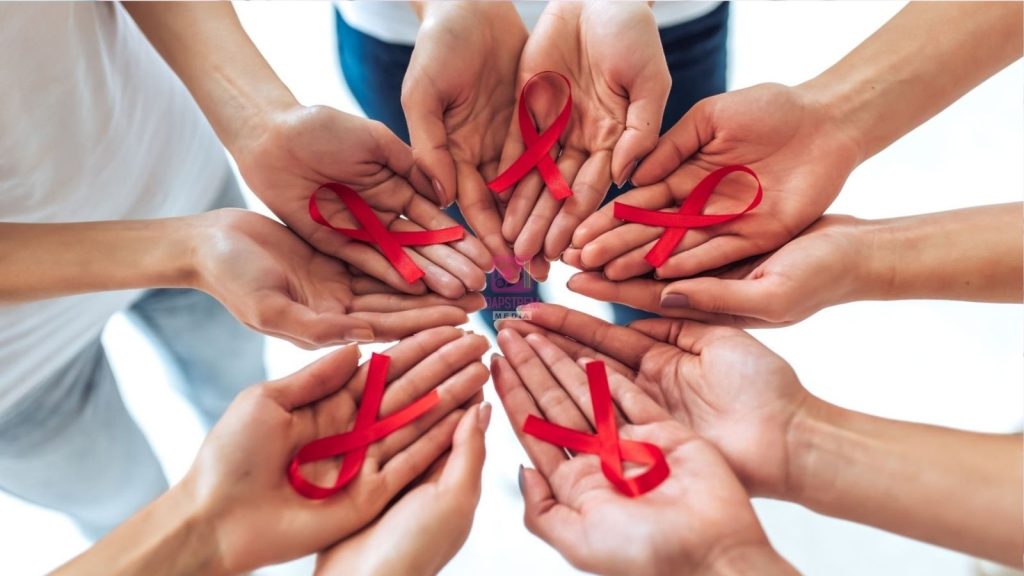
At the community level, organizations working on HIV prevention continue to emphasize the importance of reducing stigma. Stigma remains one of the biggest barriers to progress, as it discourages individuals from getting tested or openly seeking treatment. In many cases, fear of being judged by peers, family members, or employers leads to delayed diagnosis, which increases the risk of transmission to others.
There is also growing emphasis on the role of comprehensive sexuality education. Advocates argue that equipping young people with accurate, age-appropriate information about HIV, reproductive health, and safe relationships is one of the most effective ways to reduce new infections. Schools, youth centers, and digital platforms are increasingly being seen as key battlegrounds in the effort to change behavior and improve outcomes.
The Ministry of Health is expected to review the findings and potentially adjust its national HIV strategy in response to the new data. This may include expanding access to preventive medication, strengthening outreach programs in high-burden counties like Nairobi, and increasing investment in youth-focused health services. Partnerships with county governments and non-governmental organizations are also likely to play a critical role in implementing targeted interventions.
For many young Kenyans, however, the statistics reflect lived realities rather than abstract numbers. Behind the percentage figures are individuals navigating complex social and economic environments, often without adequate support systems. Addressing the crisis will therefore require more than medical solutions; it will demand sustained community engagement, improved economic opportunities, and stronger social protections.
International health agencies continue to support Kenya’s HIV response, recognizing both the progress made and the challenges that remain. The country has been widely regarded as one of the leaders in HIV treatment scale-up in Africa, but the persistence of new infections among youth serves as a reminder that prevention remains just as important as treatment.
As 2026 progresses, the focus will increasingly shift toward understanding why young people remain disproportionately affected and how interventions can be redesigned to address the root causes. Whether through innovation in health communication, expansion of youth-friendly services, or deeper community involvement, the goal remains clear: to reduce new infections and move closer to ending HIV as a public health threat.
The data serves as both a warning and a call to action. While Kenya continues to make strides in managing HIV, the rising burden among young people—especially in urban centers like Nairobi—signals the need for renewed urgency, smarter strategies, and stronger commitment from all sectors of society.