
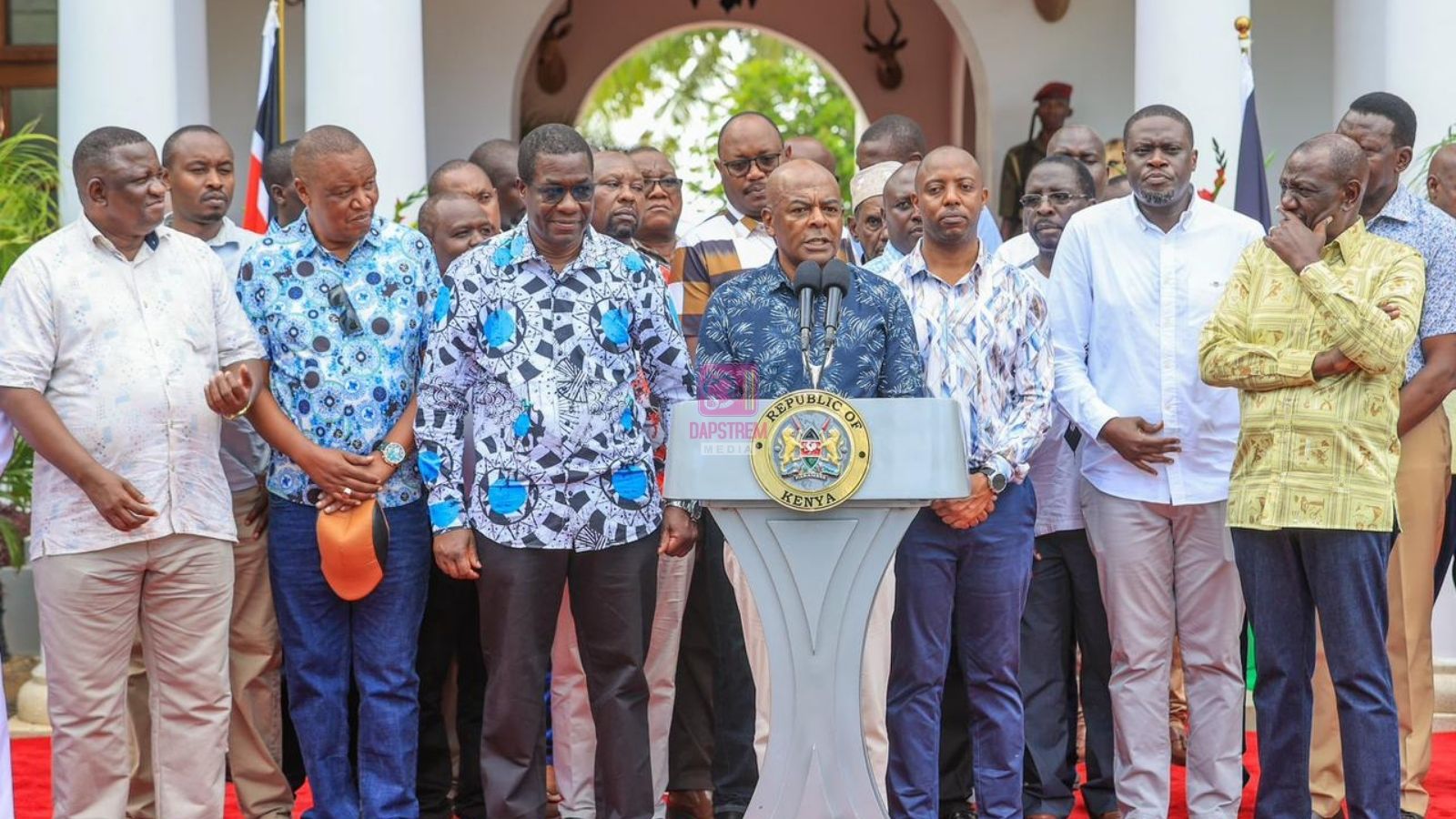
Matatu Operators Call Off Nationwide Strike After Talks With President Ruto at State House Mombasa
Matatu operators across Kenya have officially called off a planned nationwide strike following high-level talks with President William Ruto held at the State House in Mombasa on Friday, May 22. The announcement, made during a joint press briefing after hours of closed-door discussions, brings immediate relief to millions of commuters who had been bracing for possible transport disruptions in major towns and cities.
The decision comes after days of rising tension between public service vehicle (PSV) operators and government agencies over a range of issues, including fuel prices, regulatory enforcement, taxation concerns, and operational costs that operators say have made the matatu business increasingly unsustainable. The planned strike had threatened to paralyze transport networks in Nairobi, Mombasa, Kisumu, and other urban centers where matatus remain the backbone of daily mobility.
According to representatives present at the meeting, the discussions at State House Mombasa were intense but constructive, focusing on finding immediate and long-term solutions to the challenges facing the public transport sector. Operators presented a detailed list of grievances, arguing that recent increases in diesel and petrol prices, coupled with strict regulatory enforcement and rising spare parts costs, had pushed many SACCOs to the brink of financial strain.
The government, on its part, acknowledged the critical role played by matatus in Kenya’s economy and urban life. Matatus are not only a transport system but also a major source of employment for thousands of drivers, conductors, mechanics, and informal sector workers who depend on daily operations for income. Any disruption in their operations would therefore have had widespread ripple effects across the economy.

One of the key concerns raised by operators was the cost of fuel, which they say directly determines fare prices and profitability. Diesel in particular remains the most important fuel in the sector, powering most commuter buses and long-distance vehicles. Operators argued that frequent price fluctuations made it difficult to maintain stable fares, often forcing them into conflict with commuters who expect consistency in transport costs.
The meeting also addressed regulatory pressures that PSV operators have been facing in recent months. These include enforcement actions by transport authorities, licensing requirements, and compliance inspections that operators say are sometimes implemented without sufficient consultation. While the government emphasized the importance of safety and order in the transport sector, operators called for more dialogue before enforcement measures are rolled out.
Another major issue discussed was taxation and the overall cost of doing business in the transport sector. Operators claimed that multiple levies from different agencies have created financial strain, reducing profitability and making it harder to maintain vehicles, pay staff, and comply with insurance requirements. They urged the government to consider a more streamlined and predictable tax structure for the sector.
After extensive negotiations, both parties reportedly agreed on a framework for continued engagement rather than confrontation. It was this agreement that led to the suspension of the planned strike, with operators announcing that they would return to normal operations immediately while awaiting further implementation of the commitments made during the talks.
The press briefing held at State House Mombasa was attended by senior government officials and representatives from various matatu SACCOs, who jointly confirmed that the strike had been officially called off. The announcement was met with relief from commuters, many of whom had already begun making alternative arrangements in anticipation of potential disruptions.
In Nairobi and other urban centers, the news was received with cautious optimism. Commuters had feared a repeat of past transport strikes that left thousands stranded, especially during morning and evening rush hours. Matatu strikes in Kenya have historically had immediate and severe impacts, often bringing entire cities to a standstill due to the sector’s heavy reliance on road-based public transport.
The decision to call off the strike also highlights the importance of dialogue between the government and transport stakeholders. In recent years, the matatu sector has frequently been at the center of national debate due to rising operational costs, regulatory reforms, and periodic conflicts with enforcement agencies. Friday’s agreement signals a temporary easing of those tensions, though underlying challenges remain unresolved.

Industry analysts note that while the strike has been avoided for now, the long-term sustainability of the matatu sector will depend on deeper structural reforms. These include stabilizing fuel prices, improving regulatory coordination, and addressing inefficiencies in taxation and licensing systems. Without such reforms, similar disputes are likely to resurface in the future.
For now, however, commuters can breathe a sigh of relief as matatus resume normal operations across the country. The agreement reached in Mombasa represents a critical moment in Kenya’s ongoing effort to balance economic realities with essential public services. It also underscores the central role that the matatu industry continues to play in the country’s daily life, economy, and urban culture.
As implementation discussions begin in the coming weeks, both the government and operators are expected to maintain dialogue to ensure that the commitments made at State House translate into practical solutions. Whether this marks a lasting turning point or a temporary pause in tensions will depend on how quickly and effectively the agreed issues are addressed.