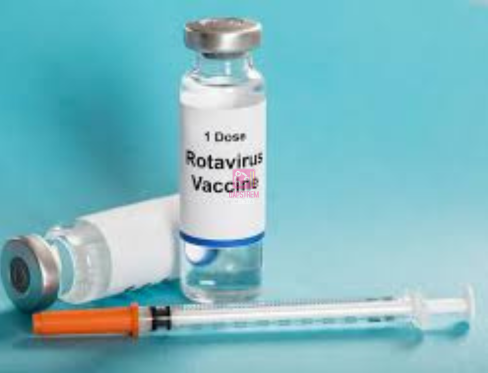
Kenya’s Ministry of Health has announced a temporary shortage of the rotavirus vaccine. The situation has raised concern among healthcare workers and parents across the country. The vaccine protects infants from severe diarrhea caused by Rotavirus Infection. It also plays a key role in the national childhood immunization program.
Aden Duale, the Cabinet Secretary for Health, confirmed the shortage earlier this week. He explained that global supply disruptions caused the problem. These disruptions have affected production and distribution of the Rotavac vaccine used in Kenya. The manufacturer currently upgrades its production facilities. As a result, shipments to several countries have slowed.
A Crucial Vaccine for Child Health
Rotavirus remains a major cause of severe diarrhea among infants and young children worldwide. The virus spreads easily through contaminated water, food, and surfaces. Children often experience vomiting, fever, and watery diarrhea after infection.
Severe cases may lead to dehydration and hospitalization. In some situations, the illness can become life-threatening. Therefore, health experts strongly encourage vaccination. Vaccination offers the most effective protection against serious illness caused by the virus.
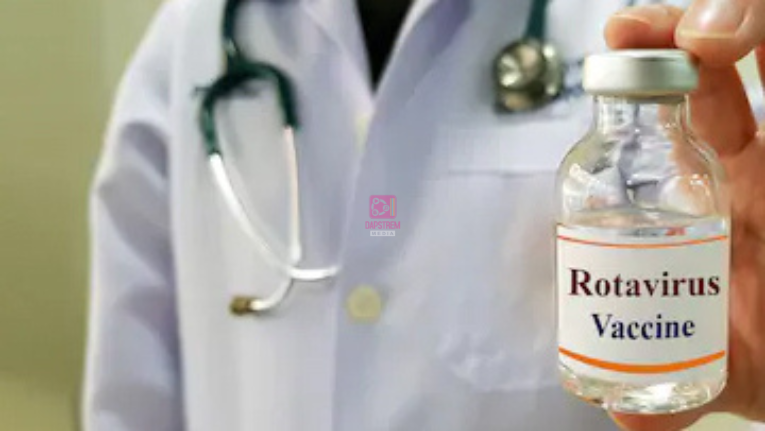
In Kenya, healthcare providers give the vaccine during early immunization visits. Infants usually receive several doses within their first months of life. This schedule helps build strong protection during the most vulnerable stage of childhood.
Since health authorities introduced the rotavirus vaccine years ago, hospital admissions for severe diarrhea have declined significantly. However, experts warn that long shortages could reverse these public health gains.
Limited Vaccine Stock
The Ministry of Health reports that national vaccine supplies remain very low. Current stock includes fewer than 4,000 doses nationwide. At the usual vaccination rate, this supply may last less than a month.
Consequently, health officials now distribute the remaining doses carefully across counties. This approach aims to protect the most vulnerable infants first. At the same time, county health departments monitor their vaccine stocks closely. Officials must report shortages immediately.
Earlier this year, health authorities expected a new vaccine shipment. However, production challenges delayed the delivery. Officials now expect the next supply to arrive toward the end of April. Even so, global supply conditions may still affect this timeline.
Government Action and International Support
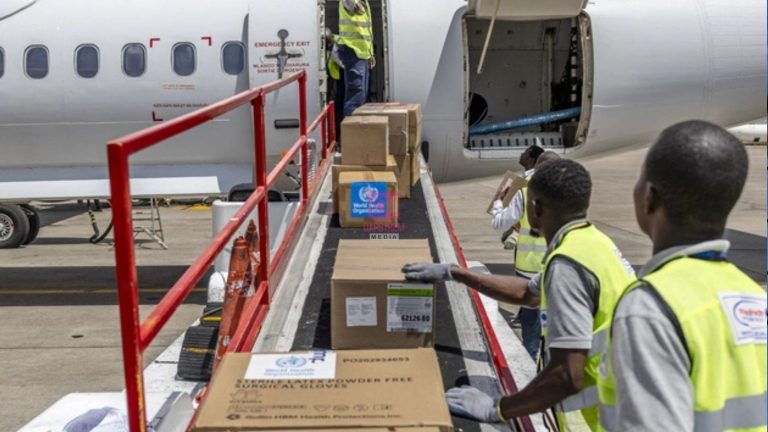
Meanwhile, the government has taken several steps to manage the shortage. The Ministry of Health now works closely with international partners to secure additional supplies. Organizations such as UNICEF and Gavi, the Vaccine Alliance support efforts to stabilize vaccine availability.
In addition, the ministry has introduced several emergency measures. Officials have redistributed the available vaccines among counties. They have also strengthened monitoring systems for diarrheal diseases. Furthermore, they continue to communicate regularly with hospitals and health facilities across the country.
Health leaders also explore alternative suppliers to prevent long disruptions. These efforts aim to protect routine childhood vaccination services nationwide.
Guidance for Parents and Caregivers
Despite the shortage, health officials urge parents to continue visiting clinics for scheduled immunizations. Other essential vaccines remain available at most health facilities. Missing these vaccines could expose children to preventable diseases.
Parents should also adopt preventive health practices at home. Proper handwashing remains one of the most effective measures. Families should also use safe drinking water and maintain clean food preparation areas.
In addition, caregivers should seek medical help quickly if a child shows signs of severe dehydration or persistent diarrhea. Early treatment can prevent serious complications.
Protecting Routine Immunization Programs
Routine immunization programs remain essential for public health. Vaccines have helped reduce cases of measles, polio, and other dangerous diseases in Kenya.
However, the rotavirus vaccine shortage highlights weaknesses in global vaccine supply chains. It also shows the importance of cooperation between governments, manufacturers, and international health organizations.
Health officials remain hopeful that vaccine supplies will stabilize soon. They continue to monitor the situation and update the public regularly. Until supplies return to normal, authorities will focus on protecting the most vulnerable children.
Ultimately, families across Kenya hope that swift action will restore vaccine availability. Strong partnerships between the government and global health agencies will help ensure that every child receives lifesaving protection.