Yemen’s Former President Hadi Dies in Saudi Arabia, Marking the End of a Defining Era in Yemeni Politics
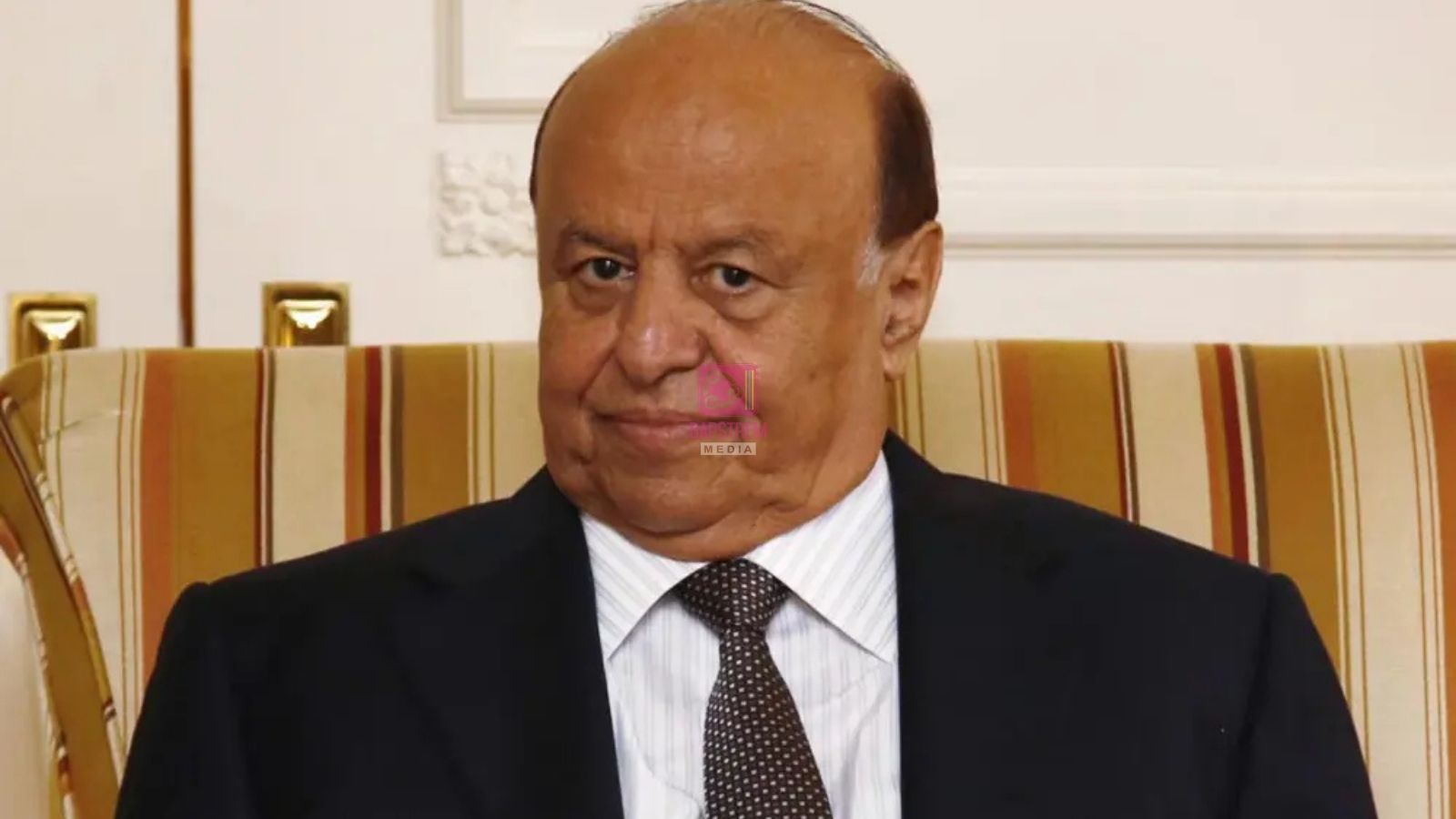
Yemen is in mourning following the death of its former president Abdrabbuh Mansur Hadi, who passed away in Saudi Arabia, where he had been living in exile for several years. His death marks the end of a long and complex political chapter in Yemen’s modern history, defined by transition, civil conflict, regional intervention, and ongoing struggles for national stability.
Hadi, who led Yemen during one of its most turbulent periods, rose to power in 2012 following the resignation of longtime president Ali Abdullah Saleh in the wake of mass protests during the Arab Spring. He was initially seen as a transitional figure tasked with guiding Yemen toward democratic reform, national dialogue, and political stability after years of authoritarian rule and growing unrest.
However, his presidency quickly became overshadowed by deep internal divisions, rising insurgency, and the collapse of central authority in large parts of the country. The situation escalated dramatically in 2014 when Houthi forces seized control of the capital, Sana’a, forcing Hadi to flee and eventually seek refuge in Saudi Arabia.
From exile, Hadi continued to claim leadership of Yemen’s internationally recognized government, backed strongly by regional allies including Saudi Arabia. His administration became closely tied to the Saudi-led coalition intervention in Yemen, which began in 2015 with the aim of restoring his government and countering Houthi advances.
The conflict that followed has since evolved into one of the world’s most complex and devastating humanitarian crises. Millions of Yemenis have been affected by displacement, food insecurity, and the collapse of essential public services, with international organizations repeatedly warning about the scale of human suffering.
Despite years of diplomatic efforts, ceasefire attempts, and peace negotiations, Yemen has remained deeply divided, with competing political and military authorities controlling different parts of the country. Hadi’s role during this period was often symbolic, representing continuity of the internationally recognized state even as his physical presence remained outside the country.
His death in Saudi Arabia brings renewed attention to the unresolved political future of Yemen. While he had largely stepped back from active political life in recent years, his position as a former head of state still carried symbolic weight in discussions surrounding Yemen’s legitimacy and governance structure.
Reactions to his passing are expected to reflect the deep divisions that have characterized Yemeni politics over the past decade. Supporters view him as a leader who inherited an extremely difficult transitional period and attempted to preserve state institutions amid collapse. Critics, however, argue that his presidency failed to prevent the escalation of conflict and fragmentation of the country.
The Saudi Arabian government, which hosted Hadi during his years in exile, is expected to coordinate arrangements related to his passing in line with diplomatic protocols. Saudi Arabia has played a central role in Yemen’s conflict, both militarily and politically, and Hadi’s presence in the kingdom reflected the close alignment between his administration and regional allies.
International observers note that his death comes at a sensitive moment, as efforts continue to push for a long-term political settlement in Yemen. While ceasefires and negotiations have brought temporary reductions in violence at different times, a comprehensive peace agreement has remained elusive.
Humanitarian agencies continue to emphasize that Yemen remains one of the world’s most severe humanitarian crises, with millions still dependent on aid and basic services struggling to recover. The political uncertainty surrounding leadership structures has been a key factor in the slow progress toward reconstruction and reconciliation.
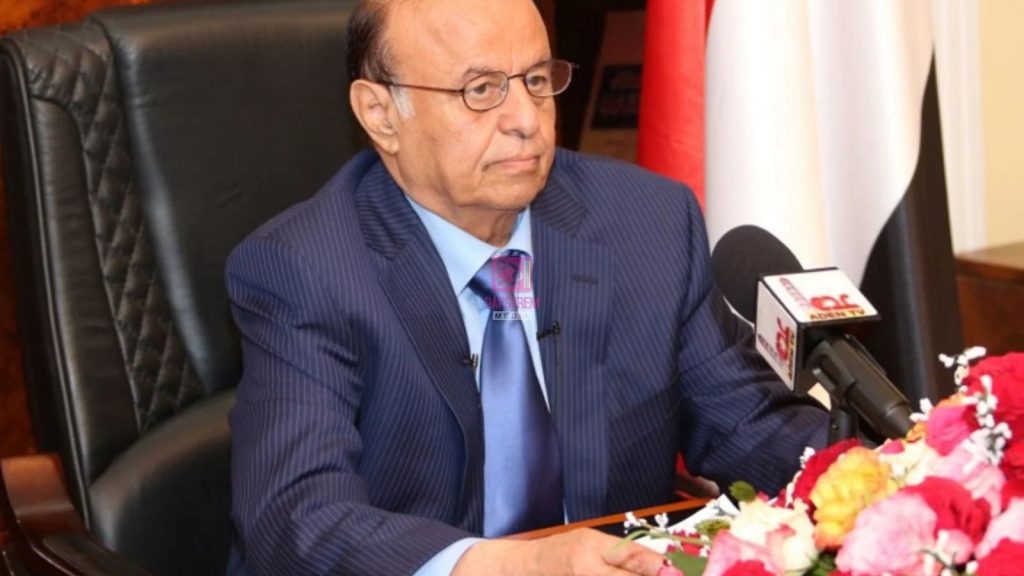
As Yemen reflects on the legacy of Abdrabbuh Mansur Hadi, his presidency is likely to be remembered as a period defined by transition, conflict, and unresolved political struggle. His role in shaping Yemen’s modern trajectory will remain a subject of debate among historians, political analysts, and citizens for years to come.
For now, his death closes a significant chapter in Yemen’s ongoing story, even as the country continues to search for a path toward peace, stability, and national unity.