Greece produced one of the biggest results of the second round of the 2026/27 UEFA Nations League on Sunday, defeating Germany 1-0 in Augsburg to record their first-ever victory over the four-time world champions.
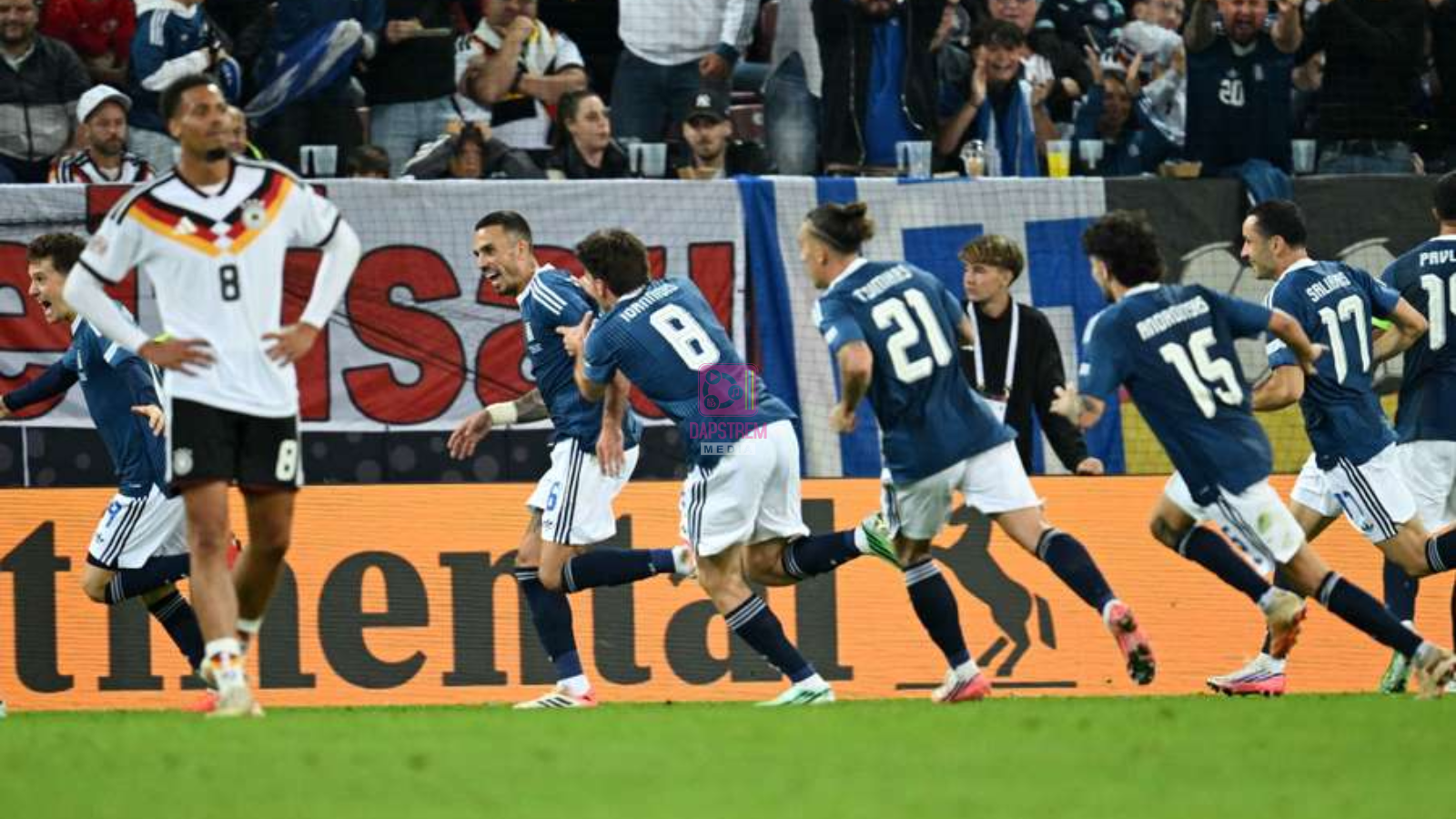
Dimitris Kourbelis scored the decisive goal in the 74th minute, with his shot taking a deflection on its way past Germany goalkeeper Alexander Nübel. The result gave Greece maximum points from their opening two matches in League A Group 2, while Germany were left with just one point from their first two games under new head coach Jürgen Klopp.
Greece make history
The victory was particularly significant because Greece had never previously beaten Germany in 10 meetings. UEFA described the result as a historic first for the Greek national team against their more illustrious opponents.
Greece had begun their Nations League campaign with an away victory over Serbia and travelled to Germany knowing that another positive result would put them in a strong position at the top of the group.
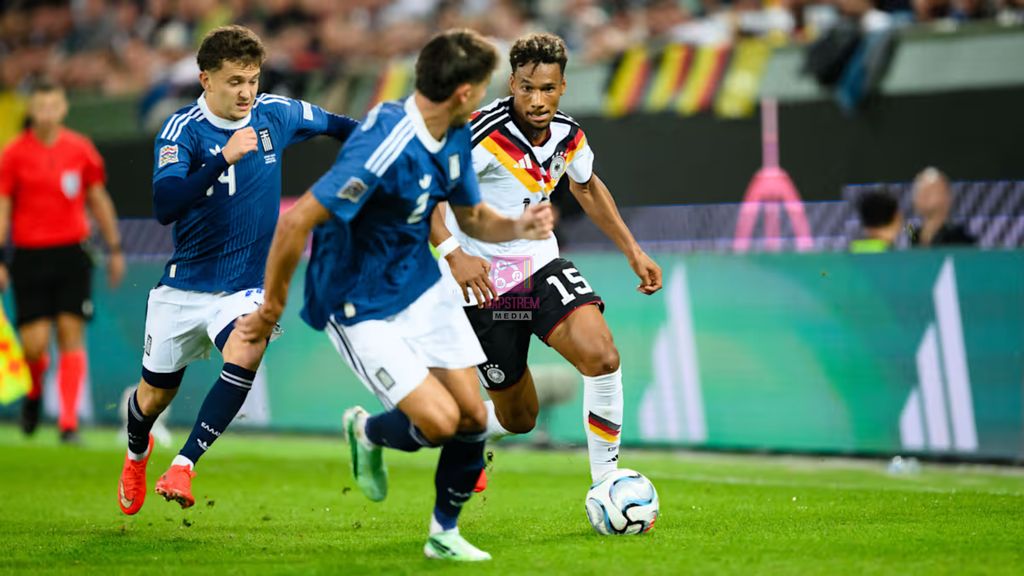
They produced a disciplined performance, allowing Germany to enjoy considerable possession while remaining compact and looking for opportunities to attack.
Germany controlled much of the game, but struggled to turn that possession into clear-cut chances. Greece goalkeeper Kostas Tzolakis was called upon to make an important save from Karim Adeyemi in the first half, while the visitors gradually became more dangerous after the interval.
Kourbelis delivers the decisive moment
With the match appearing to be heading towards a goalless draw, Greece finally found the breakthrough in the 74th minute.
Substitute Dimitris Kourbelis received the opportunity to shoot following a sustained spell of Greek pressure. His effort took a deflection before finding the back of the net, leaving Nübel unable to react in time.
The goal transformed the atmosphere at the WWK Arena and gave Greece a lead they were determined to protect.
Germany pushed forward in search of an equaliser during the closing stages, but Greece’s defensive organisation held firm.
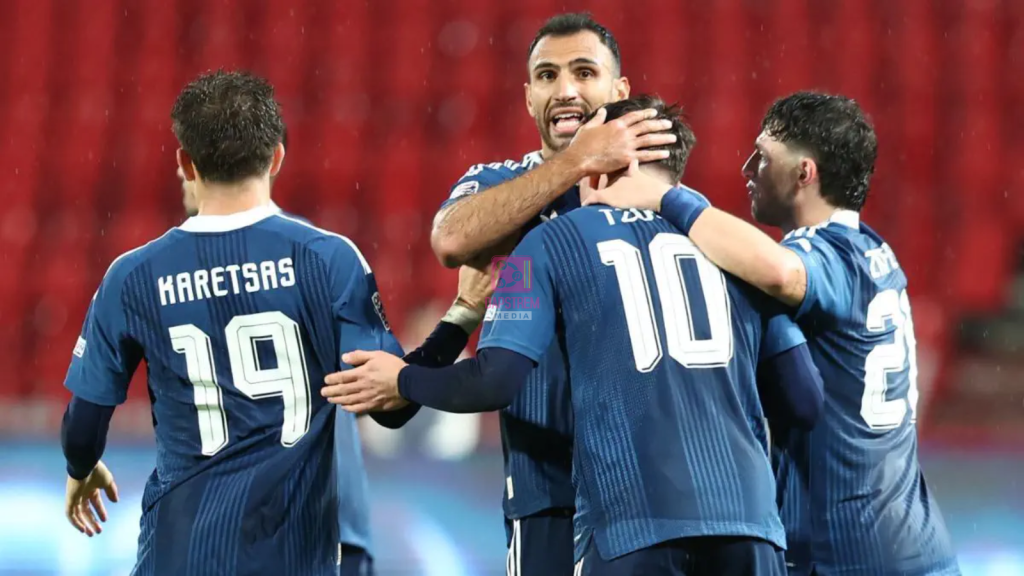
The final whistle confirmed a 1-0 victory and sparked celebrations among the Greek players and coaching staff.
Klopp suffers first defeat as Germany coach
For Klopp, the result represented his first defeat since taking charge of Germany.
The former Liverpool manager began his tenure with a 1-1 draw against the Netherlands in Amsterdam on Thursday. Germany had led through Felix Nmecha before Cody Gakpo’s stoppage-time equaliser denied Klopp victory on his international managerial debut.
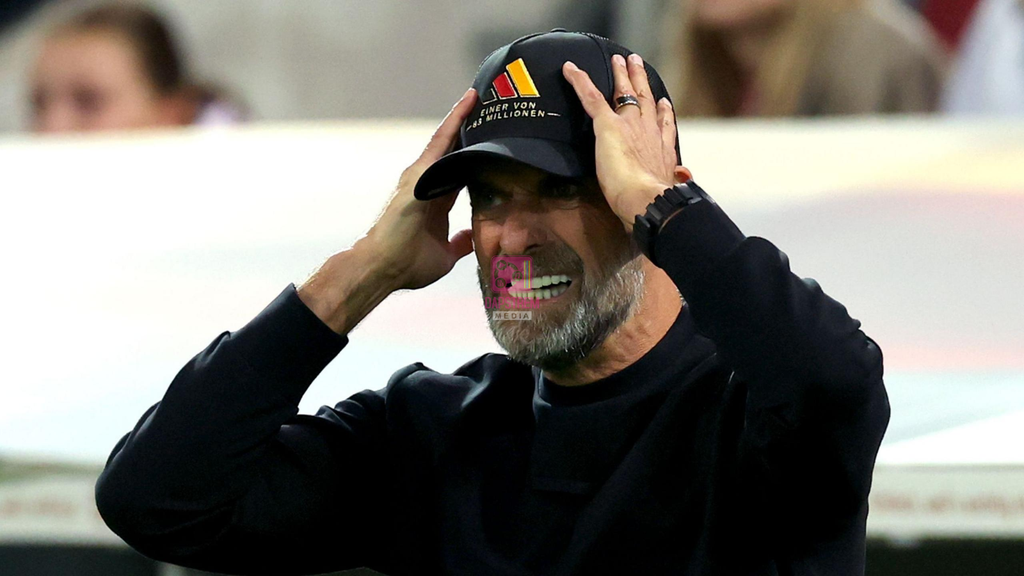
Four days later, Germany again failed to hold on to a positive result.
Klopp acknowledged afterwards that the defeat was difficult to accept, arguing that his side had controlled significant portions of the contest.
“Football, that’s how it is,” Klopp told UEFA. “Drawing this game tonight, I could have easily taken it, but losing – that’s harsh.”
The German coach nevertheless said there were lessons to take from the match and indicated that changes would be made ahead of the team’s next fixture.
Germany will now host Serbia in Munich, while Greece will face the Netherlands in Thessaloniki.
Greece perfect after two matches
The result leaves Greece at the top of Group A2 with six points from two matches.
The Netherlands sit second with four points, Germany have one point, while Serbia are still searching for their first point after two defeats.
Group A2 after two matches
- Greece — 6 points
- Netherlands — 4 points
- Germany — 1 point
- Serbia — 0 points
Greece’s two away victories have therefore given Ivan Jovanović’s team an excellent start to their League A campaign.
Jovanović said the victory was particularly important for the development of the team, describing it as a historic result for Greece in Germany.
Germany’s attacking problems exposed
Germany’s defeat was not the result of a complete collapse. For long periods, Klopp’s side controlled possession and territory, but the inability to convert that control into goals proved costly.
The contrast was clear: Germany had the greater control of the match, while Greece were more clinical when their opportunity arrived.
That pattern was also evident in Germany’s opening Nations League fixture against the Netherlands. Germany took the lead but conceded a late equaliser, leaving Klopp still waiting for his first competitive victory as national-team coach.
The early standings now give Germany little margin for error.
With only one point after two matches, another dropped result could make qualification for the knockout stages considerably more difficult.
A statement victory for Greece
For Greece, meanwhile, the significance of the result extends beyond the three points.
The national team had already made an impressive start by winning in Serbia. Defeating Germany away from home now gives Jovanović’s side two victories from two and places them at the summit of a group containing three traditionally strong European football nations.
The performance was built less on sustained possession than on organisation, patience and the ability to exploit the opportunities that came their way.
Kourbelis’ deflected strike ultimately separated the sides, but Greece’s achievement was not simply about a fortunate goal.
They withstood Germany’s pressure, stayed disciplined and then punished the hosts when their decisive opportunity arrived.
As Greece’s Christos Tzolis told UEFA after the match, the team did not “lose our minds” while Germany controlled the game and remained confident that opportunities would come.