Uganda’s Education Ministry Retains Continuity as Janet Museveni Reappointed in New Cabinet Reshuffle
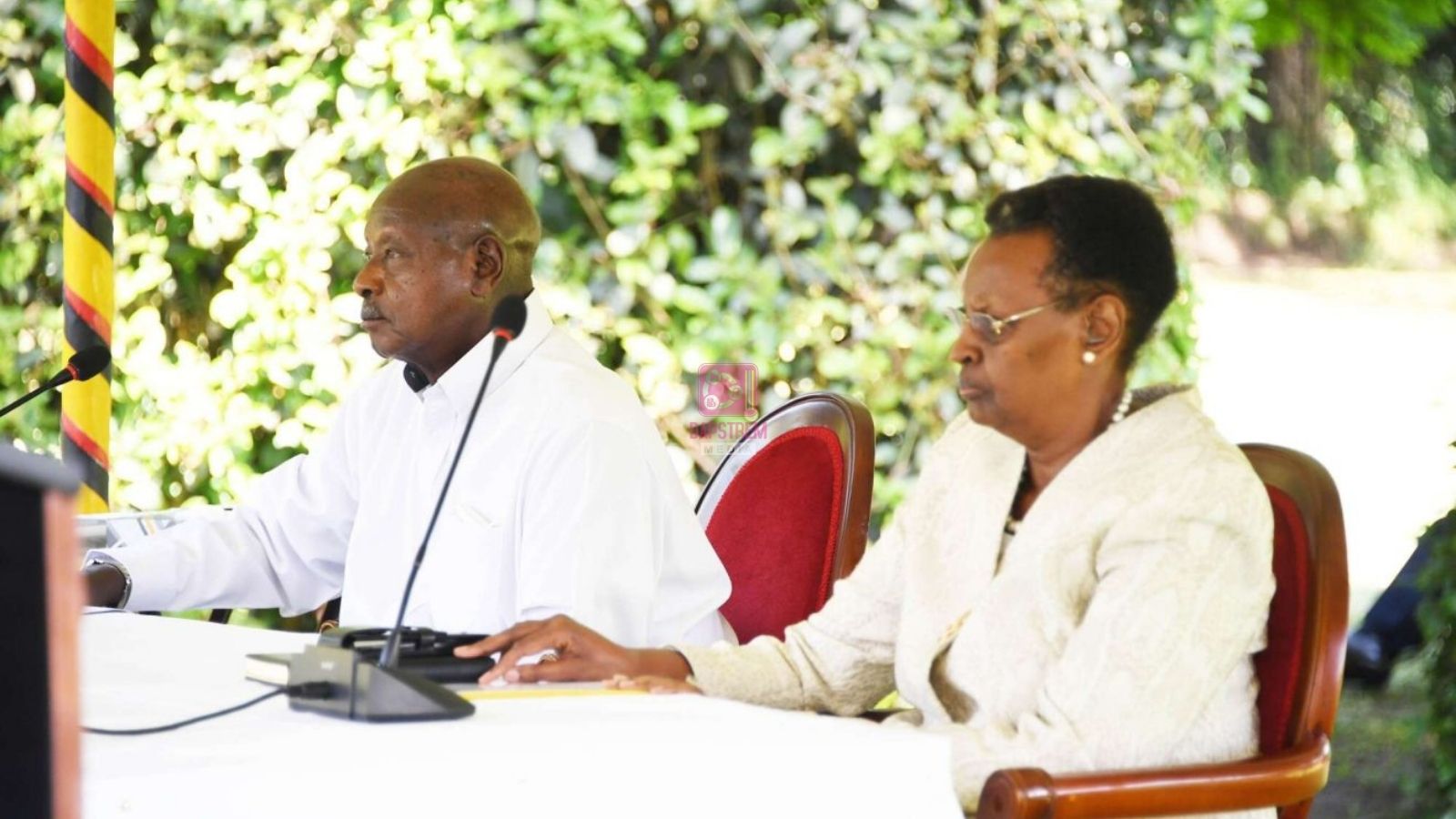
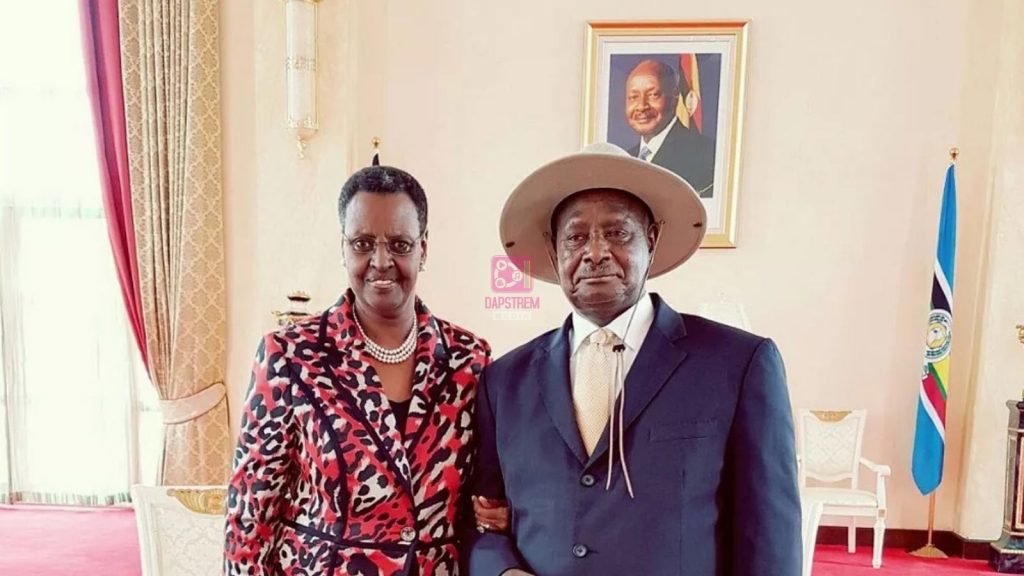
Uganda’s political landscape has once again drawn regional and international attention after President Yoweri Museveni announced a new Cabinet reshuffle that includes the reappointment of his wife, Janet Museveni, as Minister of Education and Sports. The decision has sparked renewed public debate over governance, political continuity, and the long-standing influence of key figures within Uganda’s leadership structure.
Janet Museveni, who has served in various senior government roles over the years, retains her influential position in shaping Uganda’s education sector, which oversees policy direction, curriculum reforms, and national development strategies in schools and higher learning institutions. Her reappointment signals continuity in leadership within a ministry considered central to Uganda’s long-term human capital development agenda.
The Education and Sports docket in Uganda plays a critical role in shaping the country’s future workforce, managing millions of learners across primary, secondary, and tertiary institutions. It also oversees reforms aimed at improving access to education, enhancing teacher training, and modernizing learning infrastructure in both urban and rural areas. With such responsibilities, the ministry remains one of the most closely watched portfolios in the government.
The latest Cabinet changes are part of President Museveni’s broader strategy of restructuring government leadership while maintaining experienced hands in key ministries. Over the years, Museveni has frequently reshuffled his Cabinet, balancing political loyalty, institutional experience, and regional representation in his appointments.
The reappointment of Janet Museveni has, however, reignited public debate about political dynasties and concentration of power within Uganda’s leadership system. Critics argue that the continued presence of close family members in senior government positions raises questions about governance transparency and merit-based appointments. Supporters, on the other hand, point to her long tenure and experience in education policy as justification for continuity and stability within the sector.
Uganda’s education system has undergone several reforms in recent years, including curriculum updates aimed at skills-based learning, expansion of universal education programs, and efforts to integrate technology into classrooms. Despite these reforms, challenges remain, including overcrowded classrooms, limited funding in rural schools, and disparities in access to quality education between regions.
As Minister of Education and Sports, Janet Museveni is expected to continue overseeing these reforms while pushing for further improvements in literacy rates, teacher welfare, and infrastructure development. Her leadership will also be closely linked to government efforts to align education outcomes with national development goals, particularly in science, technology, and vocational training.
Political analysts note that Cabinet reshuffles in Uganda often serve multiple purposes, including administrative efficiency, political consolidation, and preparation for future electoral cycles. In this context, retaining key figures in influential ministries is seen as a way of maintaining policy continuity and reinforcing government priorities.
Public reaction to the announcement has been mixed, with some Ugandans expressing support for continuity in leadership, while others raise concerns about political concentration and limited rotation in top government positions. Social media discussions have reflected these differing perspectives, highlighting broader conversations about governance and accountability in the country.
Despite the debate, the government maintains that Cabinet appointments are based on experience, competence, and alignment with national development objectives. Officials emphasize that education remains a top priority sector, requiring stable leadership to sustain ongoing reforms and long-term planning.
Uganda continues to face broader development challenges, including youth unemployment, population growth pressures, and the need to expand technical and vocational education to meet labor market demands. The Education Ministry plays a central role in addressing these issues by shaping policies that influence future generations.
As President Museveni’s administration moves forward with its latest Cabinet lineup, attention will remain focused on how the reappointed ministers perform in delivering government priorities. For Janet Museveni, the challenge will be to continue driving education reforms while responding to evolving public expectations and systemic challenges within the sector.
Ultimately, the reshuffle reflects both continuity and controversy in Uganda’s political system, where long-serving leadership structures continue to shape governance and policy direction. The reappointment of the Education Minister ensures that one of the country’s most critical ministries remains under experienced leadership as Uganda navigates its next phase of development.