Rise in music licensing fees adds new financial pressure on political candidates while boosting protection for artists’ rights in Kenya’s campaign season
The cost of running political campaigns in Kenya has taken a notable turn upward following the government’s introduction of a revised tariff structure governing the use of music at rallies, campaign launches, and political events. The changes, which affect candidates across all elective positions, are set to reshape how politicians engage with voters—particularly in a country where music plays a central role in mobilization, messaging, and crowd engagement.
Under the new framework, presidential candidates will now be required to pay Sh500,000 for music licensing, an increase from the previous Sh400,000. Gubernatorial aspirants will pay Sh200,000, up by Sh50,000, while those vying for senatorial seats will part with Sh150,000, a notable rise from Sh100,000. Candidates for Member of Parliament and Woman Representative positions will now each pay Sh100,000—double the previous fee—while Member of County Assembly aspirants will pay Sh15,000, up from Sh12,500.
Interestingly, while individual candidates face higher costs, the flat annual fee charged to political parties for the use of music at rallies and official events remains unchanged at Sh600,000, consistent with the 2023 consolidated music tariffs.
This move is widely seen as part of a broader effort to strengthen copyright enforcement and ensure that musicians and content creators are fairly compensated for the use of their work in political spaces. For years, artists have raised concerns over the widespread, and often unauthorized, use of their music during political campaigns—events that can attract massive crowds and generate significant visibility for candidates without corresponding benefits to the creators themselves.
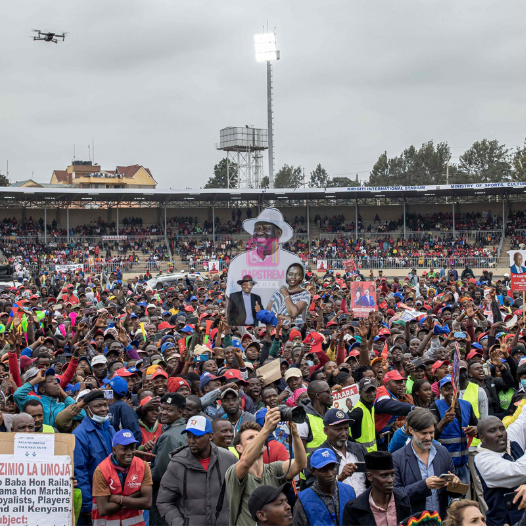
In Kenya’s vibrant political culture, music is far more than background entertainment. Campaign songs, chants, and performances are powerful tools used to energize supporters, communicate political messages, and build candidate identity. From customized anthems to popular hits played at rallies, music often becomes synonymous with political movements. The revised tariffs therefore signal a shift toward formalizing and monetizing this relationship in a more structured and regulated way.
The changes are expected to benefit artists, producers, and other rights holders, many of whom depend on royalties and licensing fees as a key source of income. By increasing the cost of music usage, the government is effectively reinforcing the value of intellectual property and encouraging compliance with copyright laws. This could also lead to more formal partnerships between politicians and artists, with candidates commissioning original campaign songs rather than relying on existing hits.
However, the new fees are likely to spark mixed reactions within political circles. For high-profile candidates, particularly those running for president or governor, the increased costs may be manageable within already large campaign budgets. But for grassroots aspirants—especially those contesting for Member of County Assembly positions—the higher fees could add to an already heavy financial burden associated with campaigning.
Critics may argue that the revised tariffs risk sidelining smaller candidates or discouraging vibrant, music-driven grassroots campaigns that are often central to Kenya’s democratic engagement. On the other hand, supporters of the policy contend that political campaigns should operate within the law and respect intellectual property rights, regardless of a candidate’s financial standing.
Another important implication of the new structure is the potential shift in campaign strategies. Some candidates may opt to scale down the use of music at events to cut costs, while others may explore alternative forms of engagement such as digital campaigns, community forums, or smaller, more targeted gatherings. At the same time, the music industry could see increased demand for affordable licensing options or bundled packages tailored specifically for political campaigns.
The unchanged Sh600,000 annual fee for political parties suggests a balancing act by regulators—maintaining a stable cost for institutional players while increasing individual accountability among candidates. This approach may also encourage parties to centralize campaign activities and coordinate music usage more efficiently under a single license.
Ultimately, the revised music licensing fees reflect a growing recognition of the economic value of creative work in Kenya’s political landscape. As the country continues to refine its electoral processes and regulatory frameworks, the intersection of politics, business, and the creative industry is becoming increasingly significant.
For candidates, the message is clear: the cost of campaigning is rising, and compliance with copyright regulations is no longer optional. For artists, the changes represent a step toward fair compensation and greater recognition of their role in shaping political discourse. And for voters, the evolving dynamics may subtly influence the tone, style, and energy of the campaign season ahead.