Kenya’s ambitious plan to co-host the 2027 Africa Cup of Nations (AFCON) has hit a significant setback after a fresh inspection by the Confederation of African Football revealed that none of the country’s proposed stadiums currently meets the required standards.
The findings, based on a February 2026 assessment, raise serious concerns about the country’s preparedness for the continental tournament, which Kenya will co-host with Uganda and Tanzania under the “Pamoja” initiative. As a result, stakeholders now face mounting pressure to accelerate infrastructure development within a limited timeframe.
A historic opportunity under pressure
The 2027 Africa Cup of Nations will mark the first time three East African nations jointly host the competition, with matches scheduled between June and July 2027. Initially, the successful bid sparked widespread optimism, as leaders and citizens alike expected the tournament to drive infrastructure growth, boost tourism, and elevate the region’s global profile.
However, CAF’s latest inspection report paints a more sobering picture. Although preparations remain underway, the current state of facilities suggests that the region still has substantial ground to cover before meeting continental expectations.
Key finding: No stadium meets CAF Category 4 standards
Most notably, CAF inspectors concluded that none of Kenya’s designated venues satisfies Category 4 requirements, which represent the highest standard needed to host AFCON matches. In particular, the report describes Kenya’s infrastructure programme as being in a “mixed phase of construction, upgrading and operational adjustments,” signaling uneven progress across key projects.
To clarify, Category 4 standards demand high-quality pitch conditions, efficient drainage systems, advanced floodlighting, and full broadcast capability. In addition, stadiums must guarantee safety and security through modern crowd control systems while also providing adequate media facilities, VIP sections, and operational zones for teams and officials. Therefore, any shortcomings in these areas significantly undermine readiness.
Stadium-by-stadium assessment
To begin with, the Moi International Sports Centre, Kasarani, which traditionally serves as Kenya’s flagship stadium, requires extensive upgrades. Inspectors highlighted the urgent need to reconstruct the pitch and improve drainage. Furthermore, they called for the installation of modern floodlighting systems, enhanced security infrastructure such as CCTV and controlled access points, and upgraded media and hospitality areas. Although authorities have already initiated some improvements, CAF emphasized that the scale of work remains considerable, meaning sustained effort will be essential to meet deadlines.
Meanwhile, the Nyayo National Stadium received the most critical evaluation. CAF noted that the facility has become outdated and lacks a clear, structured renovation plan. Consequently, the stadium falls far below Category 4 standards. In fact, the report suggests that unless officials undertake major upgrades, Nyayo may only function as a training venue rather than a match host. This assessment underscores the urgency of decisive action.
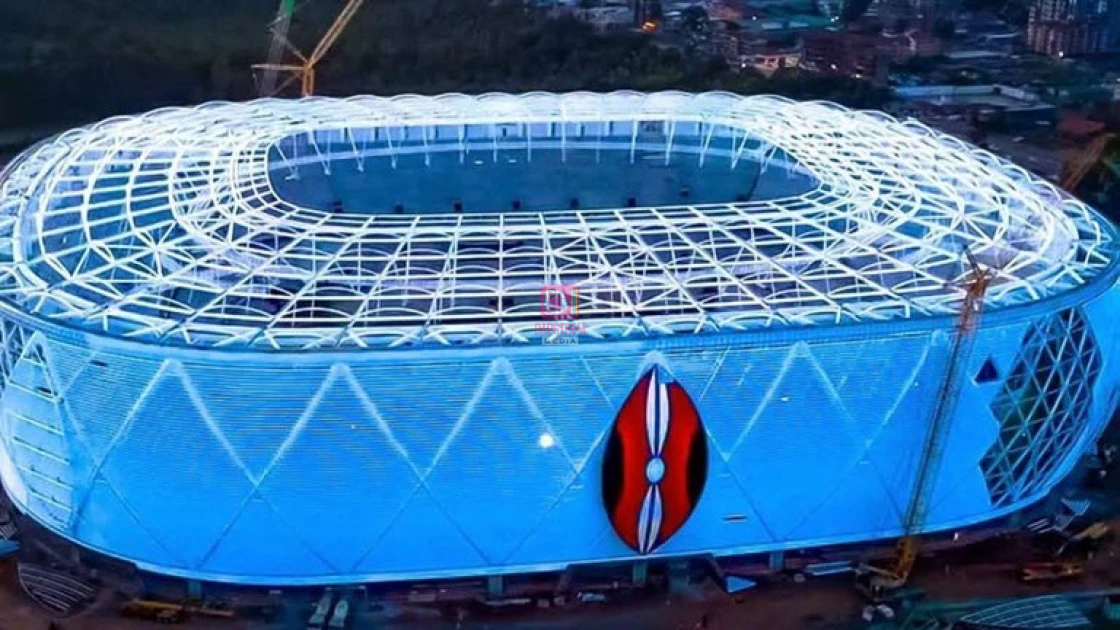
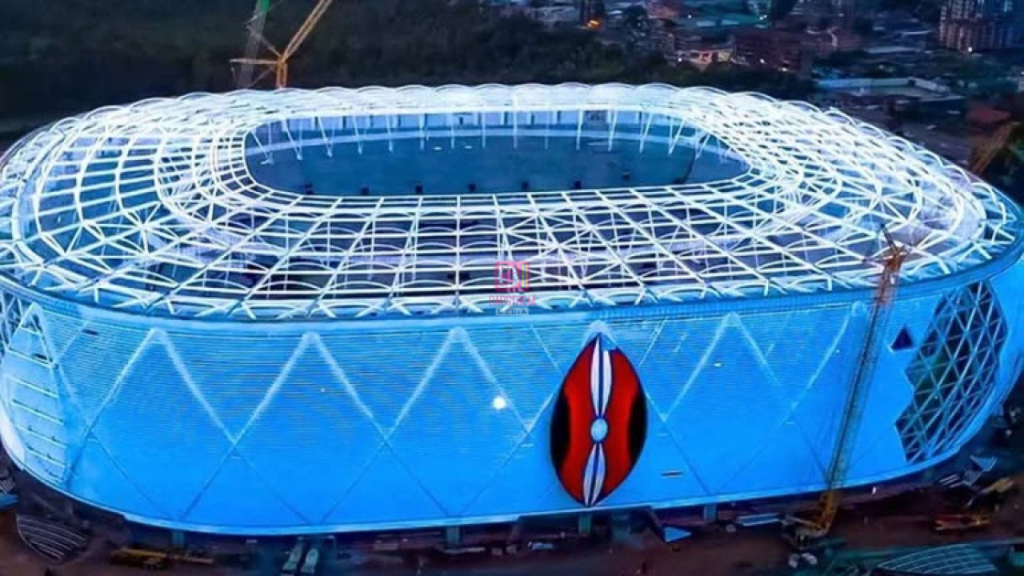
At the same time, the proposed Talanta Sports City Stadium stands at the center of Kenya’s AFCON ambitions. Unlike the older facilities, Talanta represents a new build designed to meet modern specifications. Nevertheless, construction remains ongoing, and several critical design and operational elements have yet to be completed. Moreover, the project faces risks such as delays and budget overruns. Even though Talanta offers the strongest potential to meet CAF standards from the outset, its uncertain completion timeline continues to raise concerns.
Broader infrastructure gaps
Beyond the stadiums themselves, CAF identified several weaknesses in supporting infrastructure. For instance, many training facilities do not yet comply with required standards, while transport networks and access roads remain incomplete. In addition, authorities have not fully coordinated essential utilities such as power and water, and gaps persist in security and emergency response systems.
Furthermore, the report stresses the importance of proper segregation between fans, teams, and officials to ensure safety and efficiency during matches. It also calls for fully operational Venue Operations Centres and reliable backup systems for lighting and electricity. Without these elements in place, even upgraded stadiums may struggle to function effectively during the tournament.
Regional context: Not just Kenya
At the same time, Kenya does not face these challenges alone. CAF’s inspection revealed that both Uganda and Tanzania also have stadiums that fall short of required standards. Consequently, the entire East African hosting bloc must race against time to implement upgrades. This shared challenge highlights the scale of preparation required under the Pamoja framework and reinforces the need for coordinated regional efforts.
Government response and next steps
In response, Kenyan authorities have maintained that preparations remain on track. They insist that the government continues to meet its financial obligations, including hosting fees, while also pushing forward with key infrastructure projects. Moreover, officials express confidence that they will meet all deadlines before the tournament begins.
Looking ahead, CAF plans to conduct further inspections, which will serve as critical checkpoints. These evaluations will ultimately determine whether Kenya and its co-hosts remain on course or need to adopt more aggressive measures to catch up.
What is at stake?
Importantly, failure to meet CAF standards in time could carry serious consequences. Kenya risks losing some or all of its hosting rights, which could lead to a reduced number of matches or even a complete reassignment. Additionally, such an outcome would damage the country’s reputation and undermine regional credibility.
On the other hand, successful upgrades would deliver substantial benefits. Improved stadiums and infrastructure would modernize Kenya’s sports landscape, stimulate tourism, and generate economic growth. At the same time, hosting a successful tournament would cement East Africa’s position as a viable destination for major international events.
Ultimately, CAF’s report sends a clear and urgent message: Kenya must accelerate its preparations if it hopes to host AFCON 2027 successfully. Although construction and renovations continue, a significant gap still separates current conditions from required standards. Therefore, the coming months will prove determining whether Kenya can rise to the challenge or fall short of one of Africa’s most important sporting opportunities.