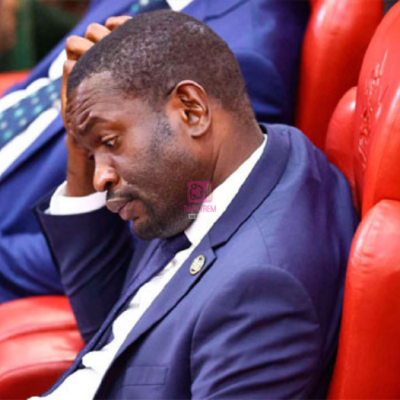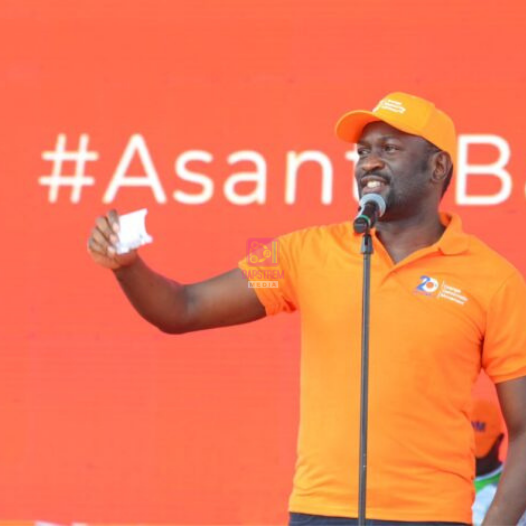
Political Parties Disputes Tribunal throws out case challenging Edwin Sifuna’s removal as ODM secretary-general, cite failure to exhaust internal dispute resolution mechanisms.
The Political Parties Disputes Tribunal has dismissed a case challenging the removal of Edwin Sifuna as Secretary-General of the Orange Democratic Movement (ODM), delivering a ruling that underscores the importance of internal party mechanisms in resolving disputes before seeking external legal intervention. The tribunal’s decision effectively shifts the battleground back to ODM’s internal structures, directing the parties involved to exhaust the party’s Internal Dispute Resolution Mechanism (IDRM) before escalating the matter further.
In its findings, the tribunal ruled that the petition filed to challenge Sifuna’s removal was premature and procedurally flawed, as it failed to meet the legal threshold requiring aggrieved parties to first pursue remedies within the political party’s own dispute resolution framework. This principle, which is well established in Kenya’s political and legal system, is designed to give political parties the autonomy to manage their internal affairs without immediate interference from external bodies.
The dispute stems from internal wrangles within ODM, one of Kenya’s most influential political parties, which has historically played a central role in shaping the country’s political landscape. Sifuna, a prominent figure within the party and a vocal political leader, has served as Secretary-General, a position that places him at the heart of the party’s administrative and strategic operations. His reported removal sparked controversy, raising questions about internal governance, party democracy, and adherence to established procedures.
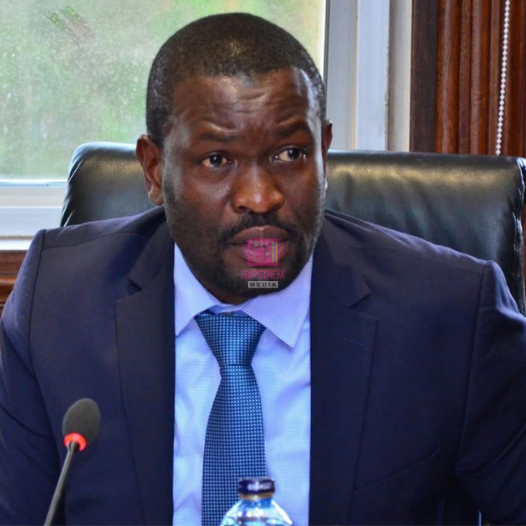
Those contesting the decision argued that the process leading to Sifuna’s removal was irregular and lacked transparency, claiming it did not follow the party’s constitution or established protocols. They sought the intervention of the tribunal to nullify the decision and restore Sifuna to his position. However, the tribunal declined to delve into the merits of the case at this stage, focusing instead on the procedural requirement that internal mechanisms must first be exhausted.
In addition to striking out the case, the tribunal issued further directions aimed at preserving the status quo while the dispute is handled internally. It specifically ordered that any attempt to formalize Sifuna’s removal by notifying the Registrar of Political Parties should be put on hold. This directive is significant because such a filing would legally cement the leadership change, potentially complicating any efforts to reverse the decision if the internal process yields a different outcome.
By halting the submission to the Registrar, the tribunal has effectively created space for dialogue and internal review, ensuring that neither side gains an irreversible advantage before the dispute is fully addressed within ODM’s own structures. This approach reflects a broader judicial philosophy that prioritizes dispute resolution at the lowest possible level, particularly in political party matters where internal cohesion and discipline are crucial.
The case also highlights the growing role of the Political Parties Disputes Tribunal in arbitrating conflicts within Kenya’s vibrant but often fractious political environment. As parties continue to grapple with leadership contests, nominations, and governance issues, the tribunal has become an important forum for addressing grievances, even as it insists on adherence to procedural requirements.
For ODM, the directive now places the responsibility squarely on its Internal Dispute Resolution Mechanism to handle the matter fairly, transparently, and in accordance with the party’s constitution. The outcome of this process will be closely watched, not only by party members but also by the wider public, given the party’s prominence in national politics.
For Sifuna, the ruling represents neither a complete victory nor a defeat, but rather a procedural pause that keeps his case alive within the party framework. It offers him an opportunity to challenge the decision internally while maintaining a degree of protection through the tribunal’s order preventing immediate formalization of his removal.
The situation also raises broader questions about internal democracy within political parties in Kenya, including how leadership disputes are managed and whether existing mechanisms are robust enough to handle high-stakes conflicts. As political competition intensifies ahead of future electoral cycles, such disputes are likely to become more frequent, placing greater scrutiny on party governance structures.
Ultimately, the tribunal’s decision reinforces a key legal principle: that internal remedies must be fully explored before external adjudication is sought. As ODM moves to address the dispute through its internal processes, the outcome will not only determine Sifuna’s political future within the party but also set an important precedent for how similar conflicts are handled in the future.