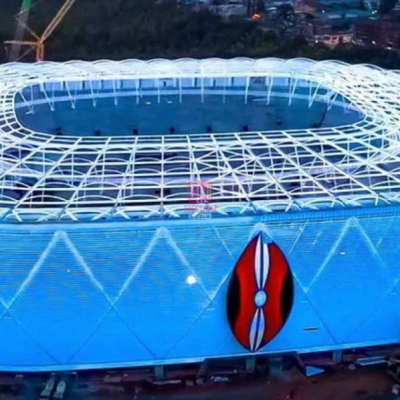
he Confederation of African Football (CAF) has taken an unprecedented step by awarding the 2025 Africa Cup of Nations (AFCON) title to Morocco after completing a months-long investigation into the controversial final against Senegal.
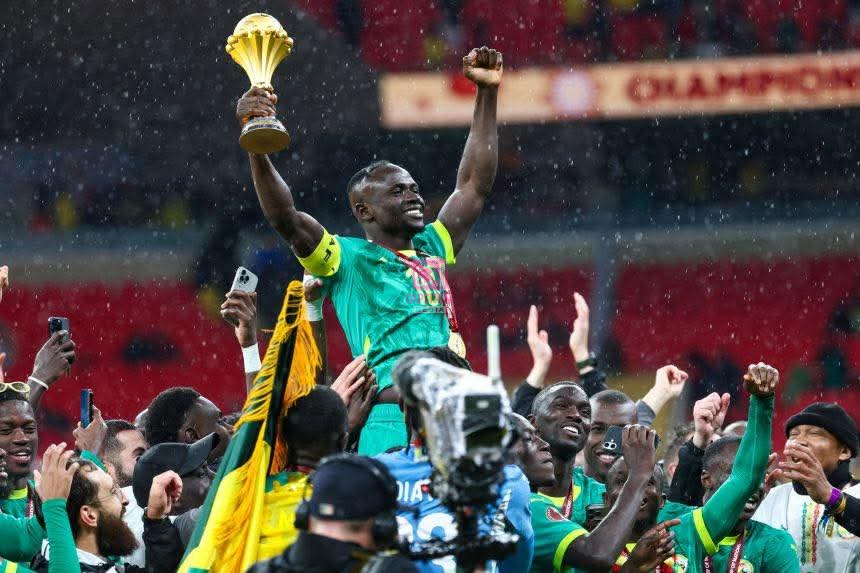
On March 17, 2026, CAF officially announced the decision, overturning the original result and sparking widespread debate across the football world. As a result, the ruling now stands as one of the most dramatic administrative decisions in African football history.
A Final Marred by Controversy
The AFCON final, played on January 18, 2026, in Rabat, initially ended with Senegal securing a 1–0 victory after extra time. However, the match descended into chaos during stoppage time when the referee awarded Morocco a controversial penalty following a VAR review.
In response, Senegal’s players walked off the pitch in protest, halting the game for approximately 15 minutes before eventually returning to resume play. Although Morocco missed the penalty and Senegal held on to win, the incident immediately triggered disciplinary scrutiny.
CAF Investigation and Final Ruling
Following the controversy, the Royal Moroccan Football Federation filed an official appeal, prompting CAF to launch a detailed investigation into the events of the final.
After carefully reviewing the case, CAF’s Appeal Board determined that Senegal had violated tournament regulations by leaving the field without the referee’s permission. According to Articles 82 and 84 of the AFCON rules, such actions constitute forfeiture.
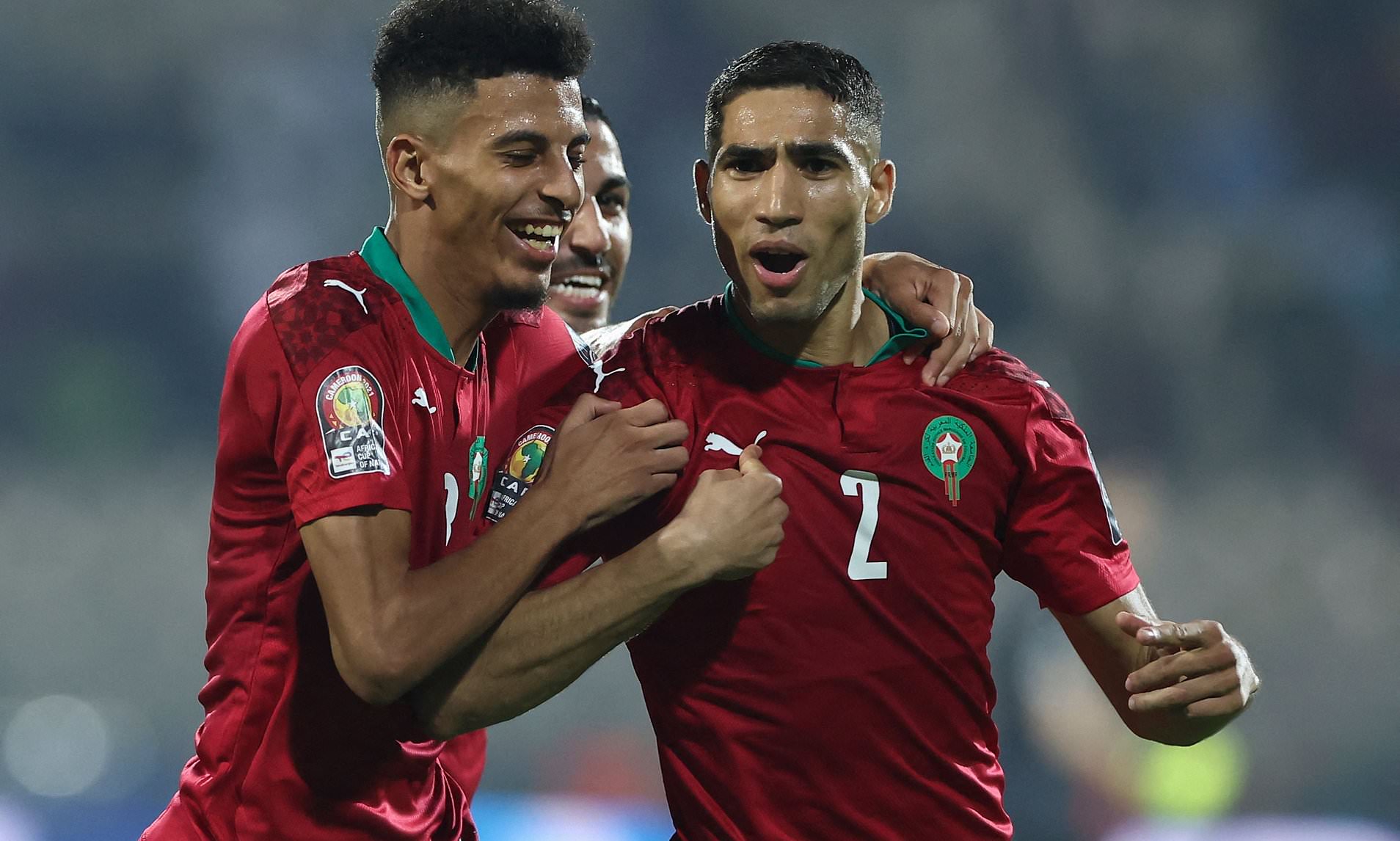
Consequently, CAF annulled Senegal’s on-field victory and awarded Morocco a 3–0 win by default, officially crowning them African champions. In effect, the ruling reversed the outcome of the final nearly two months after the match took place.
Reactions and Controversy
Unsurprisingly, the decision triggered intense reactions across Africa and beyond. Senegal’s football authorities strongly rejected the ruling, labeling it unjust and confirming plans to appeal to the Court of Arbitration for Sport (CAS).
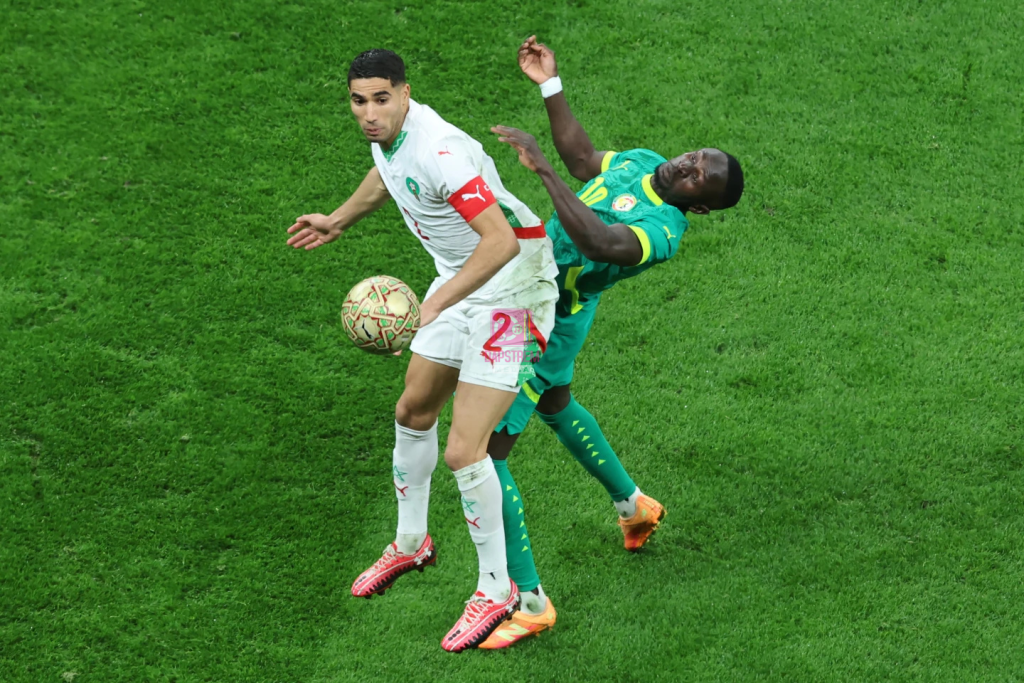
Meanwhile, Morocco welcomed the decision and emphasized the importance of enforcing tournament regulations and maintaining fair play.
At the same time, pundits and analysts weighed in on the controversy. Many highlighted how rarely governing bodies overturn major tournament finals after completion. Others, however, raised concerns about governance, consistency, and the precedent this ruling may set for future competitions.
Historical Significance
Importantly, CAF’s decision carries significant historical implications.
Morocco secured its second AFCON title and its first since 1976.
Senegal lost what would have been its second continental championship.
Moreover, the ruling stands as one of the rare cases in global football where officials have decided a major international final administratively after the final whistle.
In addition, the controversy has reignited debates surrounding VAR decisions, player conduct, and disciplinary enforcement in African football.
Broader Implications for African Football
Beyond the immediate outcome, this episode highlights several key governance issues in African football:
- Enforcement of Regulations
CAF demonstrated a firm commitment to enforcing its rules. However, the timing and severity of the decision have raised questions about proportionality.
- Integrity of Competitions
While the ruling reinforces CAF’s authority, critics argue that overturning results after matches conclude may undermine the integrity of competitions.
- Legal and Institutional Challenges
Looking ahead, Senegal’s planned appeal to CAS could prolong the dispute and potentially reshape how football authorities handle similar cases in the future.
CAF’s decision to award the AFCON title to Morocco after months of investigation has fundamentally reshaped the narrative of the 2025 tournament. What began as a dramatic and controversial final has now evolved into a landmark legal and administrative case in football history.
Ultimately, as the situation continues to develop, attention will shift to the appeal process and its outcome. Regardless of the final verdict, this case will leave a lasting impact on governance, discipline, and fairness in African football.