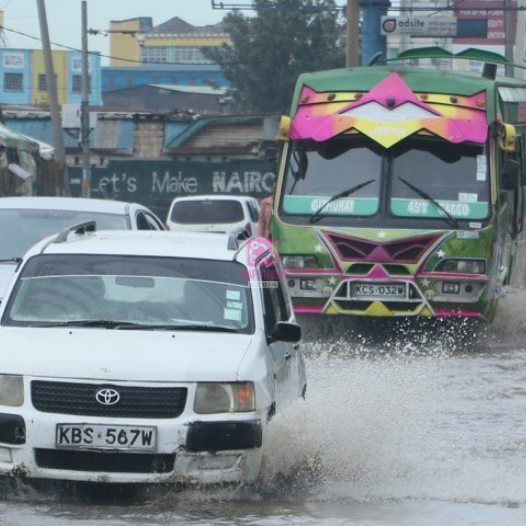
Heavy Rains trigger floods in Nairobi, disrupting businesses and movement as poor drainage worsens the situation.
Nairobi has once again found itself grappling with the familiar challenges that accompany heavy rains, with flooding disrupting daily life across several parts of the city. Over the past few days, persistent downpours have caused water to accumulate on major roads, markets, and residential areas, leaving traders counting losses while pedestrians struggle to navigate flooded streets. The situation has reignited concerns about the capital’s long-standing drainage problems and the city’s preparedness to handle intense rainfall.
Meteorological reports have warned that the rains currently pounding Nairobi are part of a broader weather pattern expected to affect many parts of Kenya. According to the Kenya Meteorological Department, heavy showers have been forecast in Nairobi and surrounding regions, with the risk of flash floods particularly high in areas with poor drainage systems. Authorities have cautioned residents about possible flooding, poor visibility on roads, and disruptions to transport and business activities as the rains intensify.
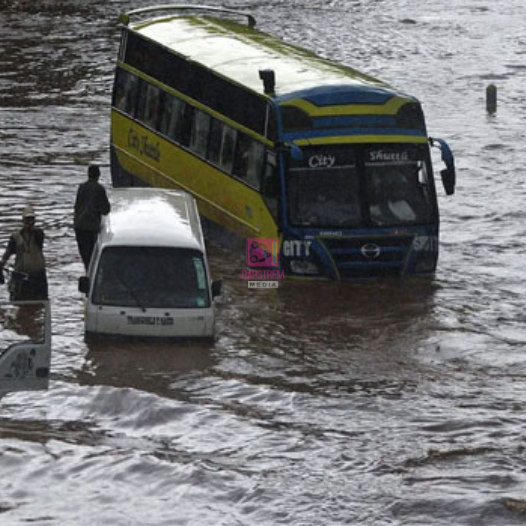
Across Nairobi, the effects of the rains have been immediate and visible. Streets that normally buzz with activity have turned into shallow streams as stormwater overwhelms clogged drainage systems. In several neighborhoods and business districts, vehicles have been forced to move slowly through flooded roads while pedestrians wade through murky water, trying to reach workplaces or public transport terminals. Some commuters have had to take longer routes to avoid flooded sections of roads, leading to delays and heavy traffic.
For traders operating in open-air markets and roadside stalls, the ongoing rains have proven particularly devastating. Markets such as Marikiti, Gikomba, and Muthurwa, which are vital commercial hubs in the city, have experienced reduced customer traffic as shoppers avoid venturing out during heavy downpours. Vendors who depend on daily sales say the rains have significantly affected their incomes, especially those dealing in perishable goods like fruits and vegetables.
Many traders report that produce has been spoiling faster because fewer customers are coming to buy. Some vendors have been forced to sell their goods at lower prices to avoid total losses, while others have had to close their stalls temporarily due to flooding or leaking roofs. In some markets, water has pooled around stalls, soaking merchandise and damaging stock, particularly clothing and footwear.
The disruption goes beyond individual traders. Supply chains that feed Nairobi’s busy markets have also been affected. Delivery trucks bringing produce from farming regions sometimes arrive late because roads become slippery or flooded during heavy rains. These delays can reduce the volume of goods reaching the markets and further affect traders who rely on steady supply to maintain their businesses.
Pedestrians, especially those who depend on walking to work or accessing public transport, have also faced significant challenges. Flooded sidewalks, overflowing drainage channels, and muddy paths have made movement difficult and sometimes dangerous. In low-lying areas, water collects quickly after a heavy downpour, forcing residents to navigate through ankle-deep or even knee-deep water.
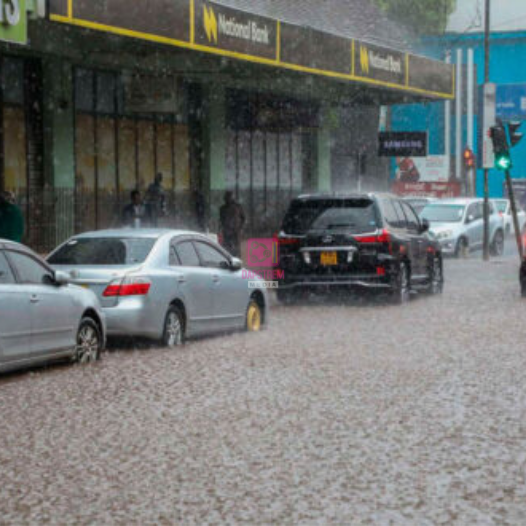
Urban flooding is a common problem in rapidly growing cities like Nairobi, where heavy rainfall can overwhelm drainage systems that are either outdated, poorly maintained, or blocked by waste. Flooding occurs when rainfall exceeds the capacity of drainage infrastructure, causing water to accumulate on streets and open spaces. The situation is often worsened by paved surfaces such as roads and buildings that prevent water from soaking into the ground, leading to faster runoff into already overloaded drains.
In Nairobi, the problem is compounded by clogged drainage channels filled with garbage and debris. Environmental experts and urban planners have repeatedly pointed out that poor waste management plays a major role in blocking stormwater drains, which then overflow during heavy rainfall. When this happens, water spills onto roads and surrounding areas, creating flash floods that disrupt transportation, businesses, and daily life.
Residents in informal settlements and low-income neighborhoods are often among the hardest hit during flooding. These areas are frequently located in low-lying zones or near rivers and drainage channels, making them particularly vulnerable to rising water levels. When floods occur, homes and small businesses can be damaged, forcing families to incur unexpected repair costs or temporarily relocate.
Beyond economic losses, flooding also raises serious public health concerns. Stagnant floodwater mixed with waste can become a breeding ground for disease-causing organisms. Health experts warn that such conditions increase the risk of waterborne diseases such as cholera and typhoid, particularly in densely populated areas where sanitation systems are already under pressure.
Climate patterns are also playing a role in the increasing frequency of heavy rainfall events in many parts of the world, including East Africa. Scientists note that changing climate conditions can intensify rainfall patterns, making storms more frequent and more intense. When such storms hit cities with inadequate drainage infrastructure, flooding becomes almost inevitable.
For Nairobi, the recurring floods highlight the urgent need for improved urban planning and infrastructure upgrades. Experts argue that expanding and maintaining drainage systems, clearing blocked waterways, and improving waste management could significantly reduce the impact of heavy rains on the city. Some urban planners have also proposed the use of green infrastructure—such as parks, green spaces, and permeable surfaces—to help absorb rainwater and reduce runoff.
City authorities have occasionally launched campaigns to unclog drainage channels and remove waste from rivers and streams. However, critics say these efforts often occur only after flooding has already caused disruption, rather than as part of a sustained long-term strategy.
As the rains continue this season, traders, commuters, and residents remain hopeful that authorities will take stronger measures to address the underlying causes of flooding. For now, many Nairobians must adapt to the reality of navigating a city that struggles to cope with heavy rainfall.
While rain is essential for agriculture and water supply across Kenya, the situation in Nairobi demonstrates how critical urban planning and infrastructure are in ensuring that seasonal rains do not turn into a recurring crisis for businesses and residents alike.