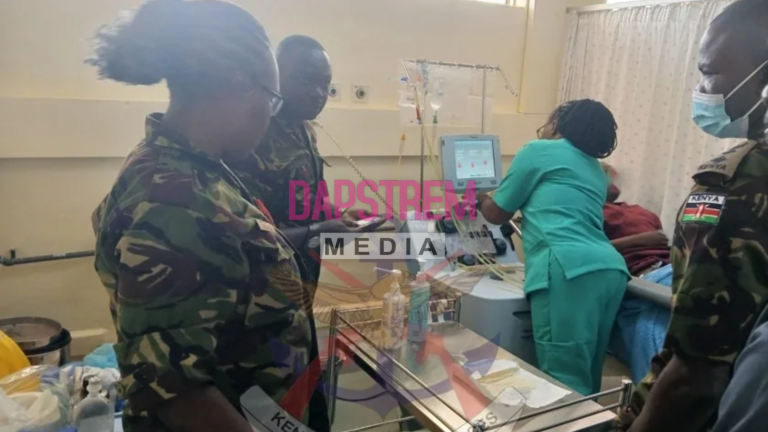
Kenya Ebola Response Enters a New Phase
Kenya has stepped up its health response after confirming its first imported case of Ebola, with authorities now tracing dozens of people who may have been exposed to the virus.
The case involved a Kenyan citizen who had been living in the Democratic Republic of Congo (DRC) before travelling to Kenya through Uganda.
The patient arrived in Nairobi on October 3 aboard JamboJet flight 8523 and was later taken to Nairobi Hospital after developing symptoms. Laboratory testing by both the National Virology Reference Laboratory and Kenya Medical Research Institute confirmed Bundibugyo Ebola Virus Disease. The patient later died.
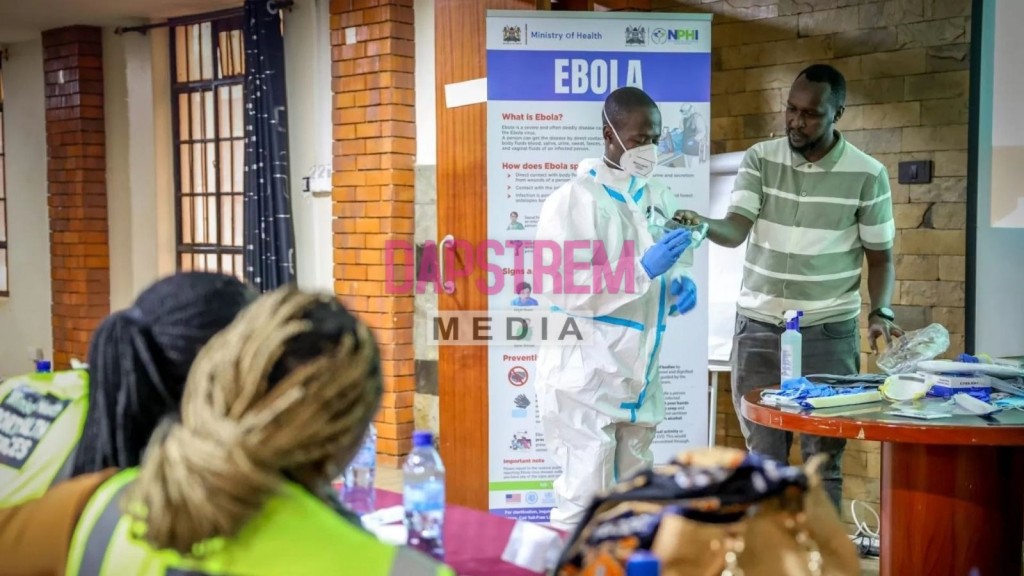
The development has triggered intensified surveillance and contact tracing as health authorities work to prevent further transmission.
57 Contacts Identified as 10 Go Into Quarantine
By October 7, the Ministry of Health had identified 57 contacts linked to the first confirmed patient.
Of those contacts, 10 people had been placed in quarantine, with health officials continuing to trace and monitor others who may have been exposed.
Public Health and Professional Standards Principal Secretary Mary Muthoni said the number of contacts could increase as investigations continue.
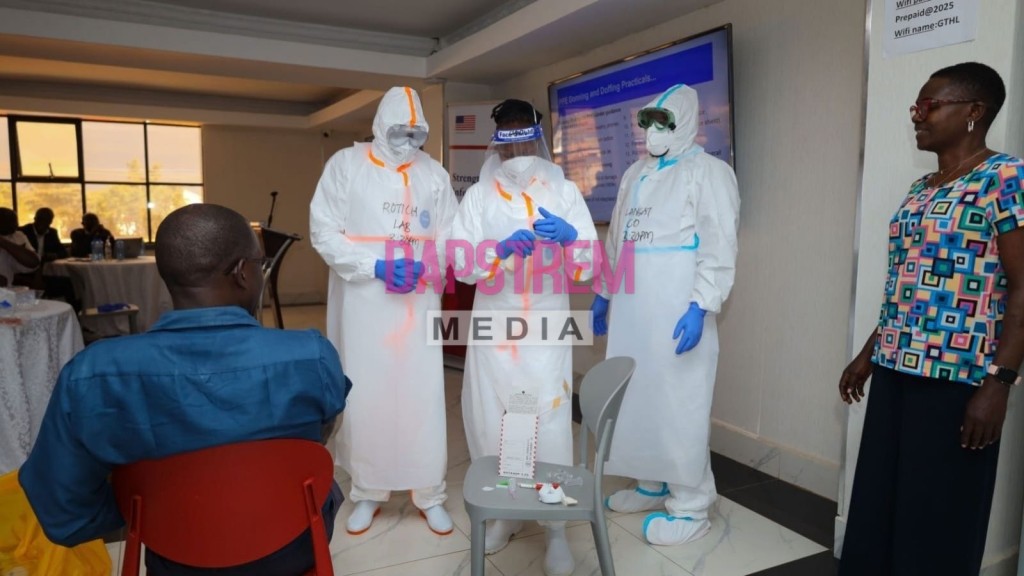
She also stressed that Kenya is managing an imported case rather than experiencing a wider Ebola outbreak.
The tracing operation includes people who had direct contact with the patient, including relatives and healthcare workers. Authorities are also following up on passengers and crew members who travelled on the same flight from Kampala to Nairobi.
Kenya Heightens Surveillance at 15 Points of Entry
The government has increased surveillance at 15 points of entry as part of efforts to detect any additional suspected cases quickly.
Treatment and isolation centres are also being activated in counties close to Kenya’s borders.
According to the Ministry of Health, Kenya has 23 isolation and treatment centres that can support the response if additional cases are detected.
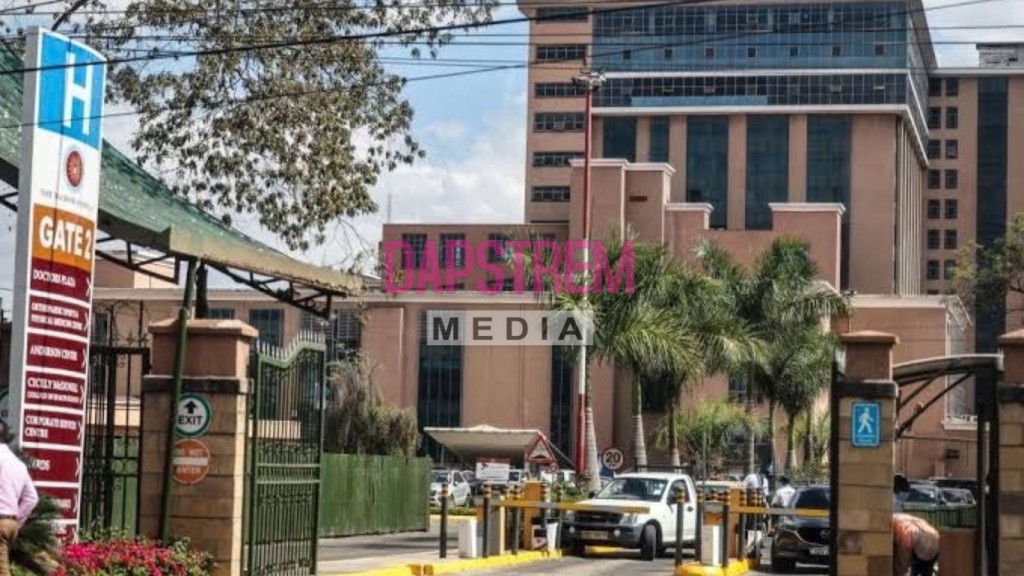
The measures are particularly important because the confirmed patient travelled across borders before arriving in Nairobi. The World Health Organization has said screening at high-risk points of entry remains a key part of preventing further transmission.
Government Sets Aside KSh2.6 Billion for Emergency Response
The government has also committed financial resources to strengthen the national response.
An initial KSh2.6 billion has been set aside for emergency preparedness, containment and response activities.
Citizen Digital reported that the government is also mobilising additional resources, with much of the wider funding expected to come from international partners.