
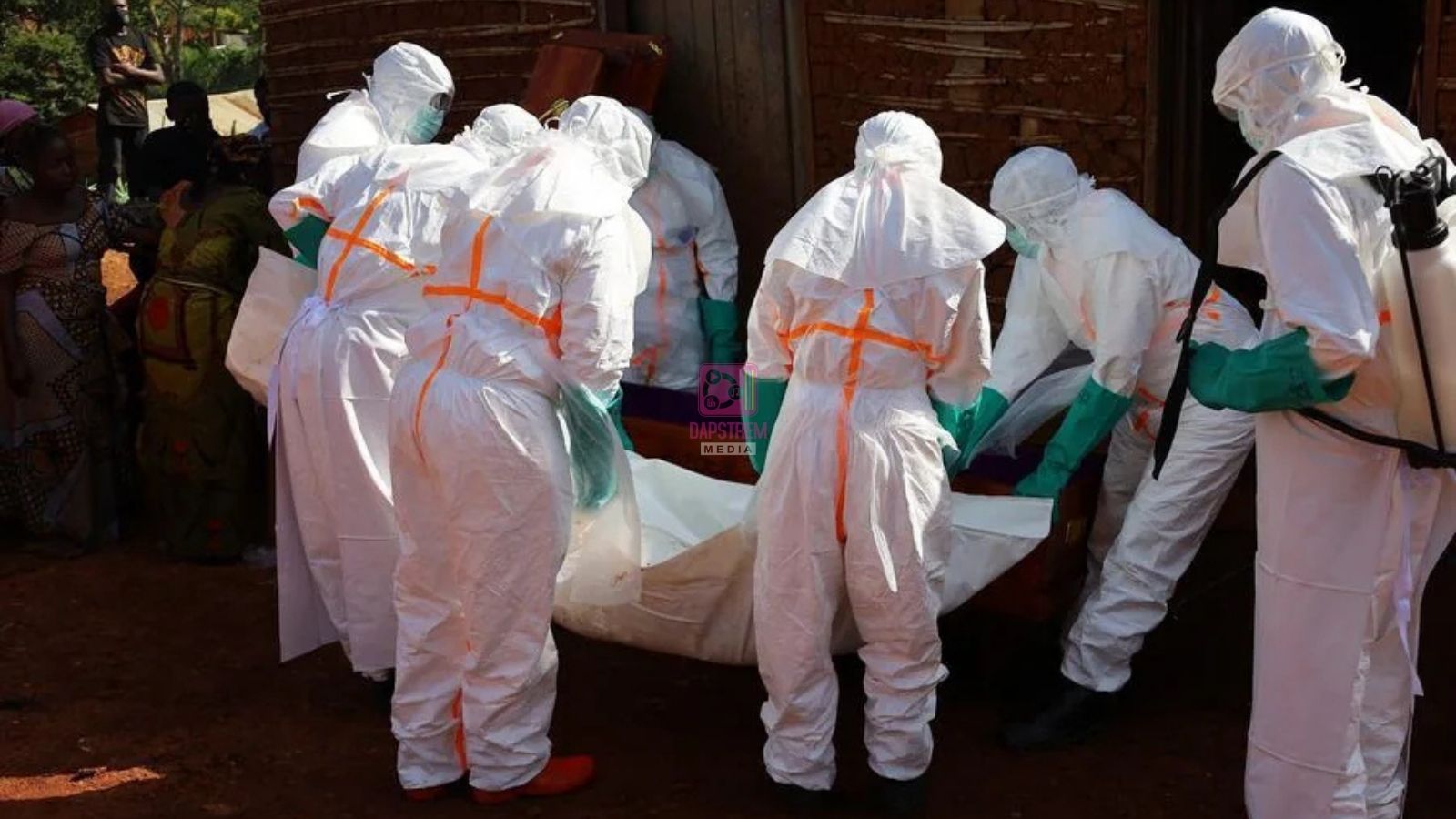
DR Congo Faces Escalating Ebola Crisis as Over 220 Suspected Deaths Raise Global Alarm
The Democratic Republic of Congo is once again grappling with a worsening public health emergency after more than 220 suspected deaths linked to Ebola virus disease were recorded in ongoing outbreaks across affected regions. The situation has raised serious alarm among health authorities, with global partners warning that the outbreak could intensify if containment measures are not strengthened urgently.
The crisis comes as health teams continue to respond to cases spread across remote and hard-to-reach communities, where limited infrastructure, population movement, and delayed reporting have made it difficult to fully track and control transmission chains. In its latest assessment, the World Health Organization has warned that the outbreak shows signs of accelerating spread, calling for immediate reinforcement of surveillance, treatment capacity, and community-level intervention.
Ebola virus disease remains one of the most severe infectious diseases known, transmitted through direct contact with infected bodily fluids. The disease often begins with flu-like symptoms before progressing into severe internal bleeding, organ failure, and in many cases, death if not treated early with supportive care. The high fatality rate, combined with rapid transmission in close-contact settings, makes outbreaks particularly difficult to control once they expand into multiple regions.
Health officials in the Democratic Republic of Congo have confirmed that response teams are actively conducting contact tracing, isolating suspected cases, and deploying emergency medical units to affected areas. However, the scale of suspected infections has placed significant pressure on already strained health systems, particularly in rural provinces where access to healthcare facilities is limited.
The recorded figure of over 220 suspected deaths highlights the severity of the current outbreak, though experts caution that suspected cases often require confirmation through laboratory testing. Even so, the trend is considered deeply concerning, especially given the historical pattern of Ebola outbreaks in the region, which have often escalated rapidly before containment efforts take effect.
The country’s health infrastructure, while experienced in managing Ebola outbreaks, continues to face challenges such as limited funding, logistical difficulties in transporting medical supplies, and insecurity in certain regions. These factors can slow down response times and complicate efforts to isolate infected individuals before further transmission occurs.
International support has become a critical component of the response. The World Health Organization, alongside other global health partners, has been assisting with technical guidance, emergency coordination, and the deployment of medical personnel and equipment. Vaccination campaigns, where possible, are also being rolled out in high-risk areas to help contain the spread.
Public health experts emphasize that early detection and rapid isolation remain the most effective tools in controlling Ebola outbreaks. Community engagement is also essential, as misinformation and fear can sometimes hinder response efforts, leading individuals to avoid treatment centers or conceal symptoms. Health workers are therefore focusing not only on medical intervention but also on awareness campaigns aimed at encouraging early reporting and safe practices.
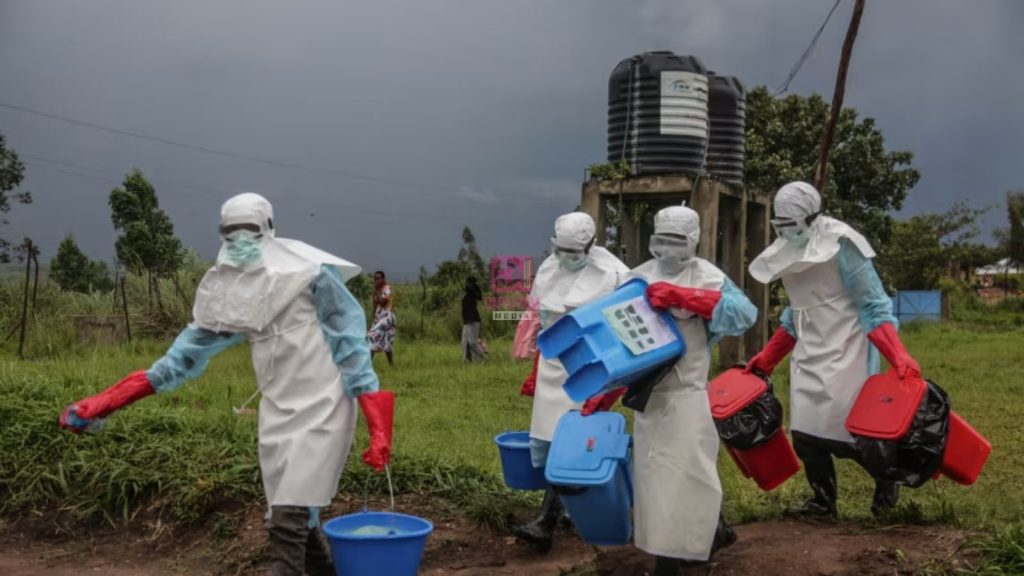
The current outbreak has also reignited concerns about cross-border transmission, particularly in regions where communities frequently move between the Democratic Republic of Congo and neighboring countries. This mobility increases the risk of the virus spreading beyond initial hotspots if containment is not achieved quickly.
Despite the alarming figures, health authorities remain hopeful that the outbreak can still be controlled with intensified response efforts. Previous Ebola outbreaks in the region have been successfully contained through coordinated action involving government agencies, international partners, and local communities.
However, experts caution that the coming weeks will be critical in determining the trajectory of the outbreak. If new cases continue to emerge at the current pace, additional emergency measures may be required, including expanded treatment centers, increased vaccination coverage, and stronger movement restrictions in affected zones.
For now, the focus remains on saving lives, breaking chains of transmission, and preventing further spread. The situation continues to evolve rapidly, and global health agencies are closely monitoring developments as they work alongside Congolese authorities to bring the outbreak under control.
The unfolding crisis serves as a reminder of the persistent threat posed by Ebola virus disease in parts of Central and East Africa, and the ongoing need for strong health systems, rapid response capabilities, and sustained international cooperation to prevent localized outbreaks from turning into larger regional emergencies.