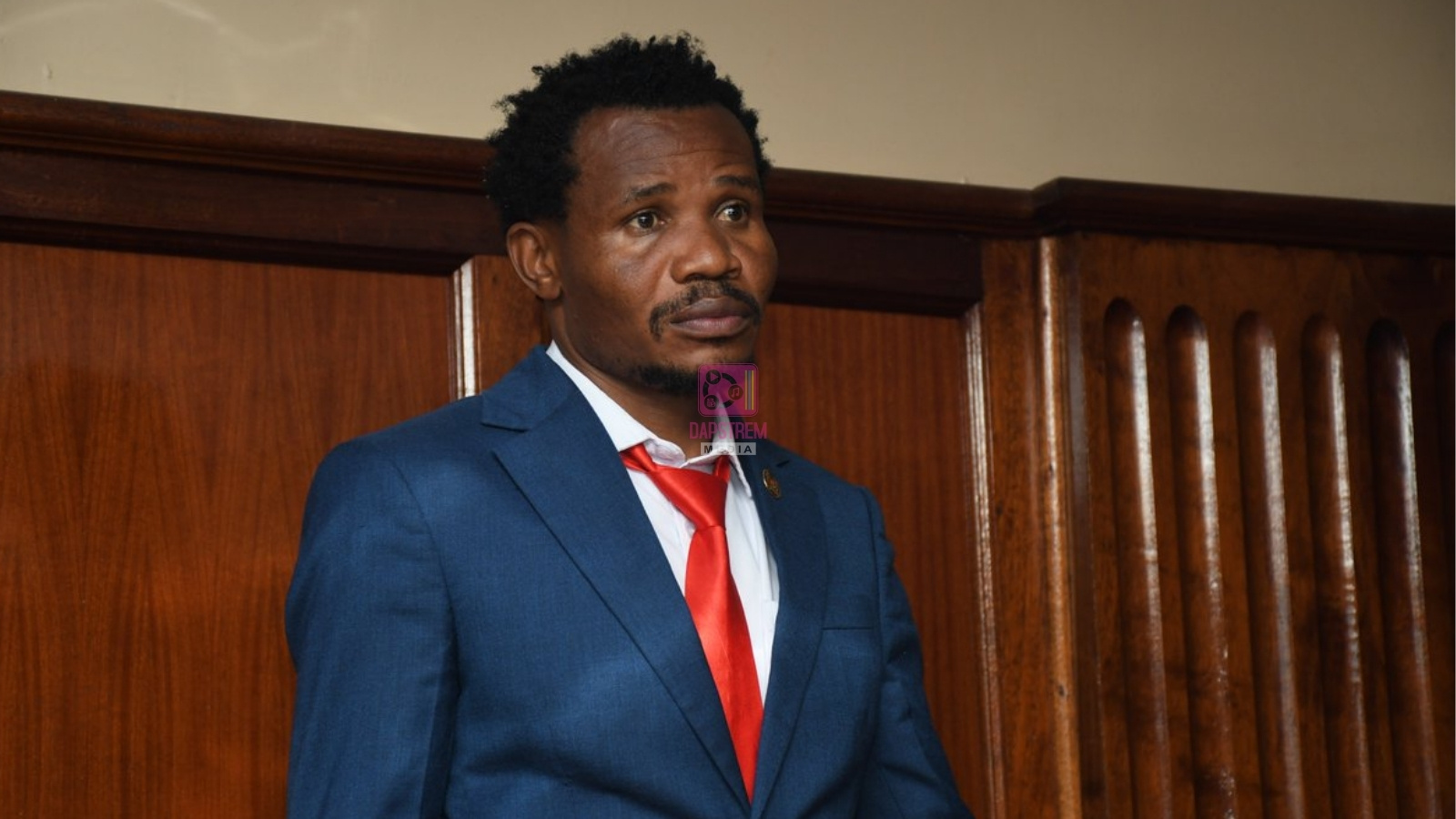
A fresh constitutional petition has been filed at the High Court seeking the removal of Mumias East Member of Parliament Peter Salasya from office over allegations of misconduct, assault and the alleged promotion of narcotic substances through his social media platforms.
The petition, lodged by Fred Muka, a registered voter in Mumias East Constituency, accuses the first-term legislator of violating the leadership and integrity provisions enshrined in Chapter Six of the Constitution and failing to uphold the ethical standards expected of a State officer.
According to court documents, the petitioner is seeking conservatory orders restraining Salasya from publishing or disseminating media content that allegedly depicts or promotes the use of narcotic substances pending the hearing and determination of the case.
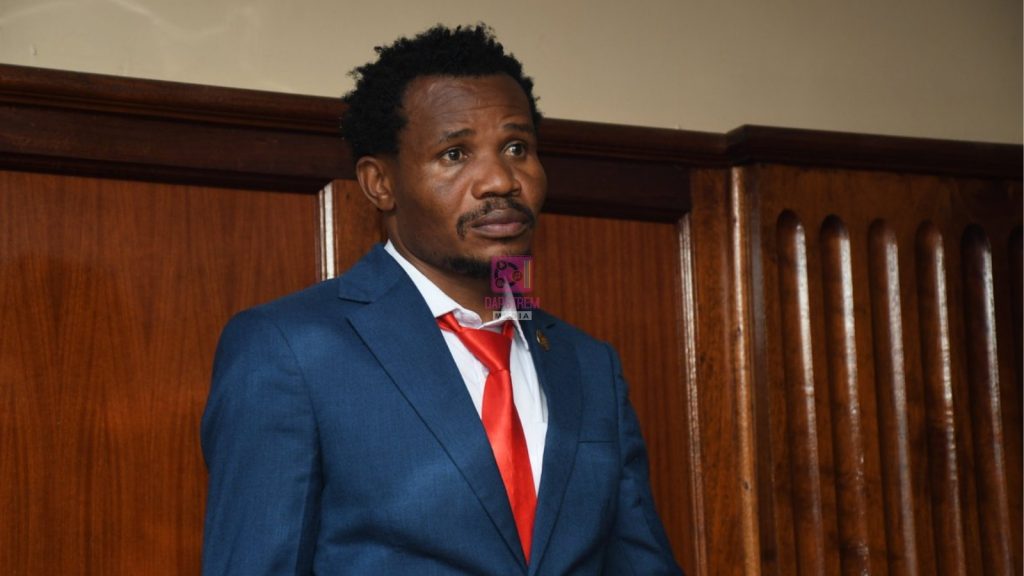
Muka further wants the High Court to compel the National Assembly’s Powers and Privileges Committee to initiate disciplinary proceedings against the MP, arguing that his conduct has fallen below the constitutional threshold required of elected leaders.
Allegations before the court
The petition cites several incidents that the petitioner argues demonstrate a pattern of conduct inconsistent with public office.
Among them is an incident in which Salasya was allegedly captured on video assaulting a Member of the Kakamega County Assembly during a funeral, an altercation that reportedly resulted in criminal charges of assault causing actual bodily harm.
The petitioner also references social media videos allegedly showing the legislator consuming or promoting cannabis-infused edibles, arguing that such content sends the wrong message to young people and undermines public confidence in Parliament.
Muka contends that, taken together, the alleged actions amount to gross misconduct and breach the constitutional principles of integrity, dignity, accountability and responsible leadership expected of State officers under Articles 73 and 75 of the Constitution.
Leadership and integrity questions
Kenya’s Constitution places high ethical obligations on public officers through Chapter Six, which requires State officers to exercise authority in a manner consistent with the purposes and objects of the Constitution, demonstrate integrity in both public and private life, and avoid conduct that demeans the office they hold.
The petitioner argues that the MP’s alleged behaviour has eroded public trust and warrants judicial intervention to protect the integrity of Parliament.
He is asking the court to declare that Salasya has violated the constitutional standards governing leadership and integrity and to direct the relevant parliamentary bodies to commence removal proceedings.
Salasya’s legal challenges
The latest petition adds to a series of legal matters involving the outspoken legislator.
Earlier this year, a Nairobi court withdrew a hate speech case against Salasya after he complied with court-ordered conditions that included issuing a public apology and conducting a peace campaign on social media. The case had been initiated following remarks that attracted scrutiny from the National Cohesion and Integration Commission (NCIC).
Separately, the MP is facing a civil suit filed by a Kakamega-based lawyer who accuses him of assault and defamation arising from a long-running debt dispute. Salasya has previously denied wrongdoing in matters brought against him.
Constitutional process
Legal experts note that while the High Court has broad powers to interpret and enforce the Constitution, the removal of a sitting Member of Parliament follows specific constitutional and statutory procedures.
The Constitution provides that MPs may lose their seats under various circumstances, including where they cease to satisfy the requirements of Chapter Six or are removed through legally prescribed mechanisms. However, courts generally require compelling evidence before issuing orders that could interfere with an elected representative’s mandate.
Should the court find merit in the petition, it could issue directions requiring relevant institutions, including Parliament, to consider disciplinary action. Any final determination on the MP’s eligibility to continue serving would ultimately depend on the applicable constitutional and statutory processes.
Presumption of innocence
The allegations contained in the petition have not been determined by the court, and no findings of fact have been made against Salasya in relation to the claims concerning alleged drug use or misconduct.
As the matter proceeds through the judicial process, the court will consider responses from all parties before deciding whether the petition meets the legal threshold for the orders sought.