Rising HIV infections among children and young people raise concern as Kenya records 13,936 new cases in 2026
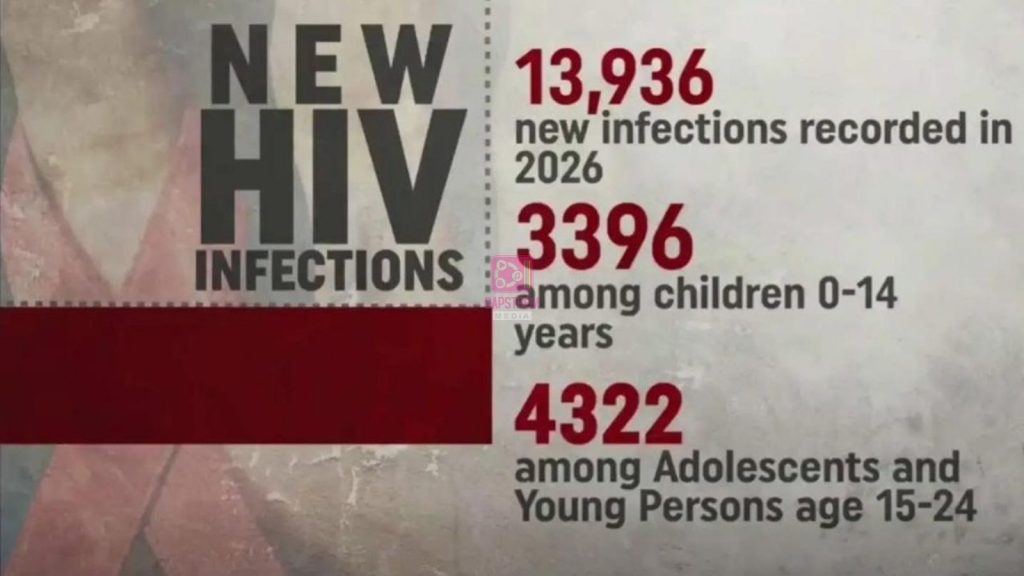
Kenya has recorded 13,936 new HIV infections in 2026, with children, adolescents, and young people accounting for the majority of the new cases. The latest figures released by health authorities paint a worrying picture of the ongoing fight against HIV/AIDS, highlighting the urgent need for renewed prevention efforts, increased awareness campaigns, and improved access to healthcare services, particularly among vulnerable populations.
Despite years of progress in reducing HIV infections and improving access to life-saving treatment, the disease continues to pose a major public health challenge in Kenya. The new data shows that young people remain disproportionately affected, raising concerns about gaps in prevention strategies and the effectiveness of existing interventions aimed at protecting the country’s youthful population.
According to the figures, young people aged between 15 and 24 years recorded 4,321 new HIV infections in 2026, making them the single largest group affected by new infections. Children aged between 0 and 14 years accounted for 3,396 new cases, a statistic that has alarmed health experts and child welfare advocates.
Overall, youths and young adults aged between 15 and 39 years contributed 62 percent of all new HIV infections reported during the year. This trend underscores the significant burden HIV continues to place on Kenya’s most productive and economically active age groups.
Health experts note that several factors continue to fuel HIV transmission among young people. These include inadequate access to sexual and reproductive health information, poverty, early sexual activity, gender inequalities, substance abuse, and limited uptake of preventive measures such as condom use and HIV testing. Social stigma surrounding HIV also continues to discourage many individuals from seeking testing and treatment services.
The situation among children remains equally concerning. While Kenya has made remarkable progress in preventing mother-to-child transmission of HIV, thousands of children continue to become infected each year. Experts argue that more efforts are needed to ensure pregnant women receive timely HIV testing and treatment, while infants born to HIV-positive mothers are closely monitored and provided with the necessary medical care.
The latest figures indicate that approximately 1.48 million Kenyans are currently living with HIV. This demonstrates the scale of the challenge facing the country, even as significant strides have been made in expanding access to antiretroviral therapy. Millions of people have benefited from treatment programs over the years, helping them live longer and healthier lives while reducing the risk of transmitting the virus to others.
However, HIV/AIDS continues to claim thousands of lives annually. Data shows that 19,434 AIDS-related deaths were recorded in 2026, reminding the nation that the epidemic remains a serious threat. Many of these deaths could potentially be prevented through early diagnosis, consistent treatment, and improved access to healthcare services.
The burden of HIV remains unevenly distributed across the country. Nairobi was listed among Kenya’s high-burden counties, alongside Homa Bay, Kisumu, Siaya, Migori, Busia, Kakamega, Mombasa, Kiambu, and Nakuru. These counties continue to account for a significant proportion of HIV cases nationwide.
Experts say urbanization, population density, migration patterns, and socioeconomic challenges contribute to higher infection rates in some regions. In counties around the Lake Victoria region, historical prevalence rates remain among the highest in the country, while major urban centers such as Nairobi and Mombasa continue to face unique challenges associated with large and mobile populations.
Public health officials are now calling for intensified efforts to address the factors driving new infections, especially among young people. They emphasize the importance of comprehensive sexuality education, increased HIV testing, greater community engagement, and expanded access to preventive measures such as pre-exposure prophylaxis (PrEP).
There is also a growing push to strengthen youth-friendly health services that provide confidential and accessible support to adolescents and young adults. Health experts believe that empowering young people with accurate information and healthcare resources is key to reducing new infections and reversing current trends.
At the same time, stakeholders are urging communities to tackle the stigma and discrimination that continue to surround HIV. Fear of judgment often discourages individuals from getting tested or seeking treatment, allowing infections to go undetected and increasing the risk of transmission.
Kenya has long been recognized as one of Africa’s success stories in the fight against HIV/AIDS. Through partnerships between the government, development agencies, healthcare providers, and community organizations, the country has achieved significant milestones in prevention, treatment, and care. However, the latest statistics show that the fight is far from over.
As the country works towards ending HIV as a public health threat, the growing number of infections among children, adolescents, and young adults serves as a reminder that sustained investment, innovation, and public awareness remain essential. The challenge now is not only to maintain the gains already achieved but also to ensure that future generations are protected from the disease.
The latest figures present both a warning and a call to action. Without renewed efforts targeting the populations most at risk, Kenya could struggle to meet its long-term HIV prevention goals. But with coordinated action, stronger health systems, and community participation, the country still has an opportunity to reduce new infections, save lives, and move closer to an HIV-free future.