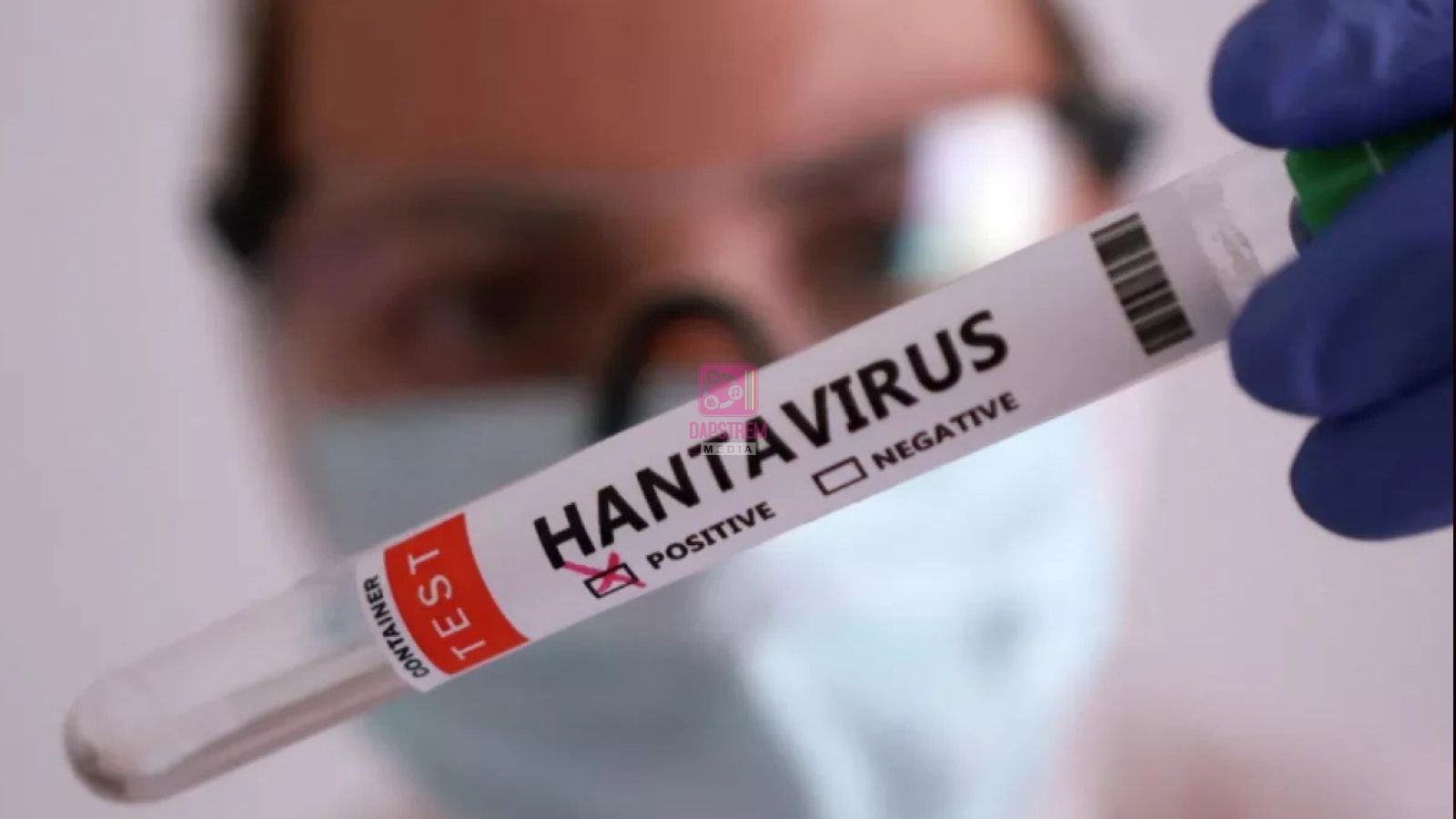
WHO confirms the Hantavirus outbreak has officially ended after the final identified contact completed quarantine without developing symptoms and tested negative, marking the successful containment of the disease through coordinated public health measures.
The World Health Organization (WHO) has officially declared the recent Hantavirus outbreak over after the last identified contact successfully completed the recommended quarantine period and tested negative for the virus. The announcement marks the end of an intensive public health response that involved extensive disease surveillance, contact tracing, laboratory testing, and coordinated efforts by national and international health authorities to prevent further transmission.
The declaration represents a major milestone for public health officials, who have spent weeks working to contain the outbreak while monitoring individuals who may have been exposed to the virus. With the final identified contact completing quarantine without developing the disease and receiving a negative laboratory result, health experts concluded that there is no evidence of ongoing transmission linked to the outbreak.
Although the official declaration signals the successful containment of the outbreak, WHO has emphasized that continued surveillance remains essential. Infectious disease experts caution that ending an outbreak does not eliminate the possibility of future cases, particularly for diseases that originate in animals and can occasionally spill over into human populations.
Hantavirus is a group of viruses primarily carried by rodents. Humans typically become infected through contact with infected rodents or exposure to their urine, droppings, or saliva. The virus can also spread when contaminated dust particles become airborne and are inhaled, particularly in enclosed spaces where rodents have been present.
Unlike many viral diseases that spread easily from person to person, most types of hantavirus are not commonly transmitted between humans. Instead, infections are usually associated with environmental exposure to infected rodents or contaminated materials. This makes rodent control, environmental hygiene, and public awareness critical components of prevention efforts.
The outbreak prompted an immediate response from health authorities once the first cases were confirmed. Disease surveillance teams were deployed to identify individuals who had been in contact with infected patients, monitor their health, and ensure that anyone showing symptoms received prompt medical attention.
Contact tracing became one of the most important tools in containing the outbreak. Public health officers carefully identified everyone who may have had close interaction with confirmed cases, monitored them throughout the recommended observation period, and arranged laboratory testing where necessary. This systematic approach helped health authorities determine whether the virus had spread beyond the initial cases.
Quarantine measures were introduced for identified contacts as a precautionary public health measure. During the observation period, health workers regularly assessed individuals for symptoms while ensuring they remained isolated where required. The successful completion of quarantine by the final monitored contact without developing illness provided strong evidence that the chain of transmission had been interrupted.
Laboratory testing also played a central role in the response. Modern diagnostic techniques enabled scientists to rapidly confirm infections, rule out suspected cases, and guide public health decision-making. The negative test result obtained from the final identified contact ultimately provided the evidence needed for WHO to declare the outbreak officially over.
Health experts have praised the coordinated efforts of frontline healthcare workers, laboratory personnel, epidemiologists, emergency response teams, and community health volunteers who contributed to containing the outbreak. Their work involved not only treating patients but also conducting investigations, educating communities, collecting samples, and ensuring timely reporting of suspected cases.
The successful conclusion of the outbreak highlights the importance of strong disease surveillance systems. Early detection allows health authorities to identify unusual disease patterns before they develop into larger public health emergencies. Prompt reporting by healthcare facilities, combined with rapid laboratory confirmation, enables officials to activate emergency response measures quickly and efficiently.

International cooperation also proved vital throughout the outbreak response. WHO worked closely with national health ministries, local authorities, laboratories, and partner organizations to coordinate technical support, share scientific expertise, and monitor developments in real time. Such collaboration has become increasingly important as countries strengthen preparedness against emerging infectious diseases.
Although the outbreak has officially ended, public health officials continue encouraging communities to remain vigilant. Preventing future hantavirus infections largely depends on minimizing contact with rodents and maintaining clean living and working environments. Homes, farms, warehouses, and storage facilities should be kept free of rodent infestations through proper sanitation, secure food storage, and effective pest control measures.
Experts advise people to avoid direct contact with rodents or their droppings. Areas contaminated by rodent waste should be cleaned carefully using appropriate disinfectants rather than dry sweeping, which may cause contaminated particles to become airborne. Wearing protective equipment during cleanup can further reduce the risk of exposure.
Healthcare providers have also been reminded to remain alert for patients presenting with symptoms consistent with hantavirus infection. Early diagnosis and supportive medical care significantly improve the management of severe cases, making awareness among clinicians an essential component of preparedness.
The outbreak has once again demonstrated the growing importance of the One Health approach, which recognizes the close relationship between human health, animal health, and the environment. Since hantavirus is carried by rodents, effective prevention requires collaboration among public health authorities, veterinary experts, environmental agencies, and local communities.
Climate change, urban expansion, deforestation, and changing land-use patterns have increased interactions between humans and wildlife in many parts of the world. Such changes can influence the distribution of disease-carrying animals and increase opportunities for zoonotic diseases—those transmitted from animals to humans—to emerge.
For this reason, WHO continues encouraging countries to strengthen disease surveillance not only within healthcare systems but also in wildlife and environmental monitoring. Detecting potential threats early remains one of the most effective ways of preventing future outbreaks.
The declaration that the outbreak has ended also offers reassurance to affected communities, many of whom experienced uncertainty during the response period. Public health emergencies often create anxiety, disrupt livelihoods, and place considerable strain on healthcare systems. Official confirmation that transmission has ceased allows communities to gradually return to normal while maintaining appropriate preventive measures.
Public health specialists caution, however, that preparedness efforts should not diminish simply because the outbreak has concluded. Continued investment in laboratory capacity, emergency response planning, healthcare workforce training, surveillance technology, and community education remains essential for responding effectively to future health threats.
The successful containment of the hantavirus outbreak demonstrates how coordinated public health action can prevent localized disease events from escalating into wider epidemics. Rapid detection, comprehensive contact tracing, effective quarantine measures, laboratory confirmation, and transparent communication all contributed to interrupting transmission and protecting public health.
As countries continue facing the growing challenge of emerging infectious diseases, the lessons learned from this outbreak will strengthen future preparedness efforts. Investments made in surveillance systems, emergency coordination, scientific research, and international collaboration will continue benefiting public health long after the outbreak has ended.
For now, WHO’s declaration marks an important victory for global health. The completion of quarantine by the final identified contact and the confirmation of a negative test result provide clear evidence that the outbreak has been successfully contained. While vigilance remains necessary, the announcement reflects the effectiveness of timely public health interventions and the dedication of healthcare professionals who worked tirelessly to bring the outbreak to an end.
The conclusion of the outbreak serves as a reminder that strong health systems, informed communities, and international cooperation remain among the world’s most powerful tools in protecting populations from emerging infectious diseases and safeguarding global public health.