Americans Leaving DR Congo Face 21-Day Return Restriction as US Tightens Ebola Precautions
Health authorities in the United States have announced strict precautionary measures for American citizens and residents departing the Democratic Republic of Congo (DRC) following concerns over an Ebola outbreak, requiring affected travelers to wait 21 days before returning to the country. The move reflects growing international efforts to prevent the spread of one of the world’s deadliest infectious diseases while allowing health officials sufficient time to monitor individuals who may have been exposed to the virus.
The decision comes as health agencies continue to closely monitor the situation in the Democratic Republic of Congo, a country that has experienced multiple Ebola outbreaks over the past several decades. While the current outbreak remains under active surveillance, international public health authorities are taking no chances, emphasizing that early detection, contact tracing, and movement restrictions remain some of the most effective tools for containing the disease before it spreads across borders.
The 21-day waiting period is based on the known incubation period of the Ebola virus. Medical experts explain that symptoms of Ebola typically develop between two and 21 days after a person is exposed to the virus. During this period, an infected individual may not show any signs of illness initially but could later develop symptoms. By requiring travelers to complete the full monitoring period before returning to the United States, authorities hope to significantly reduce the risk of importing new Ebola cases into the country.
Public health officials have stressed that the measure is a preventive strategy rather than a blanket travel ban. Americans are not permanently prohibited from returning home, but those leaving affected areas must first complete the observation period to ensure they are not carrying the virus. Individuals who remain symptom-free after 21 days are generally considered unlikely to have contracted Ebola from the identified exposure period.
The Democratic Republic of Congo has long been at the center of global efforts to combat Ebola. Since the virus was first identified near the Ebola River in 1976, the country has experienced several outbreaks, some of which have claimed thousands of lives. The recurring outbreaks have prompted investments in surveillance systems, laboratory testing, vaccination campaigns, rapid response teams, and community education programs aimed at reducing transmission.
Despite these efforts, controlling Ebola remains an enormous challenge. The disease often emerges in remote regions where healthcare infrastructure is limited, making early detection and treatment difficult. Insecurity, population displacement, misinformation, and limited access to medical facilities can further complicate response efforts and slow containment measures.
Ebola is transmitted through direct contact with the blood, body fluids, or tissues of an infected person or animal. It can also spread through contaminated objects such as needles, bedding, or medical equipment. Unlike airborne viruses such as influenza or COVID-19, Ebola requires close physical contact for transmission, but once symptoms develop, the virus can spread rapidly if proper infection prevention measures are not followed.
Early symptoms often resemble those of common illnesses and include fever, severe headache, muscle pain, fatigue, sore throat, and weakness. As the disease progresses, patients may experience vomiting, diarrhea, abdominal pain, impaired kidney and liver function, and in severe cases, internal and external bleeding. Without prompt medical care, Ebola can be fatal, making early diagnosis and isolation essential.
Health experts emphasize that advances in medicine have significantly improved the management of Ebola compared to previous decades. Vaccines have been developed and deployed successfully during recent outbreaks, helping to protect frontline healthcare workers and close contacts of infected individuals. New therapeutic treatments have also improved survival rates when patients receive timely medical attention.
The United States has a long history of implementing strict health screening measures during outbreaks of highly infectious diseases. Airports, border authorities, and public health agencies routinely work together to identify travelers arriving from affected regions, provide health information, and conduct monitoring when necessary. Similar measures have been implemented in response to previous Ebola outbreaks as well as other emerging infectious diseases.
Officials say the temporary return restriction is intended to protect both travelers and the wider public while giving health authorities enough time to confirm that individuals have not developed symptoms. Travelers affected by the policy may be required to remain in approved locations or participate in active health monitoring before they are cleared for travel.
The announcement has renewed discussions about the balance between public health protection and freedom of movement during infectious disease outbreaks. While some travelers may view such restrictions as inconvenient, epidemiologists argue that temporary preventive measures are often far less disruptive than allowing an outbreak to spread internationally, which could result in broader travel bans, overwhelmed healthcare systems, and significant economic consequences.
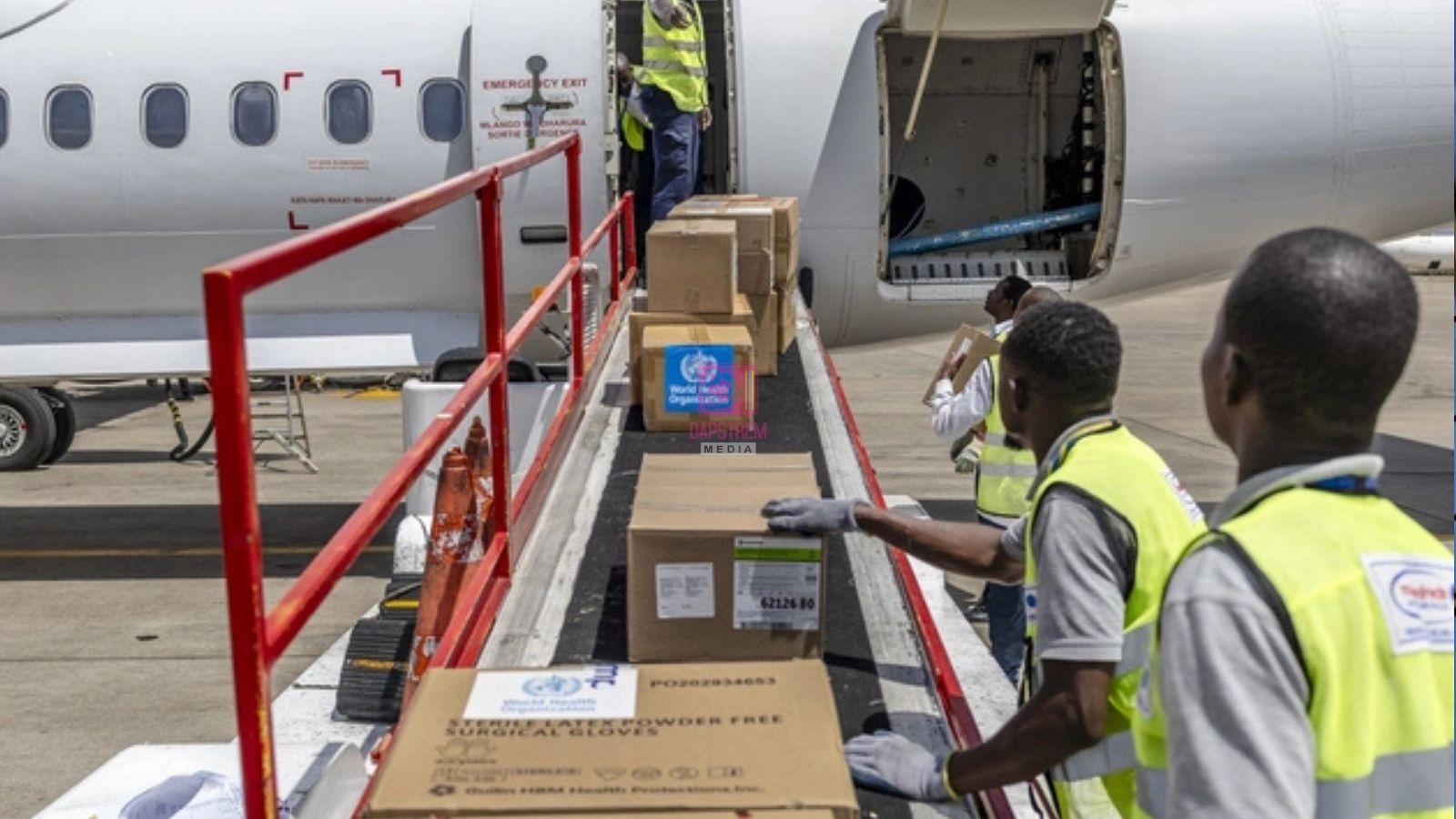
International organizations, including the World Health Organization (WHO), continue to support the DRC in its response through technical expertise, laboratory support, surveillance, vaccination efforts, and emergency medical assistance. Global cooperation has become increasingly important in managing disease outbreaks, as modern air travel allows infectious diseases to cross continents within hours.
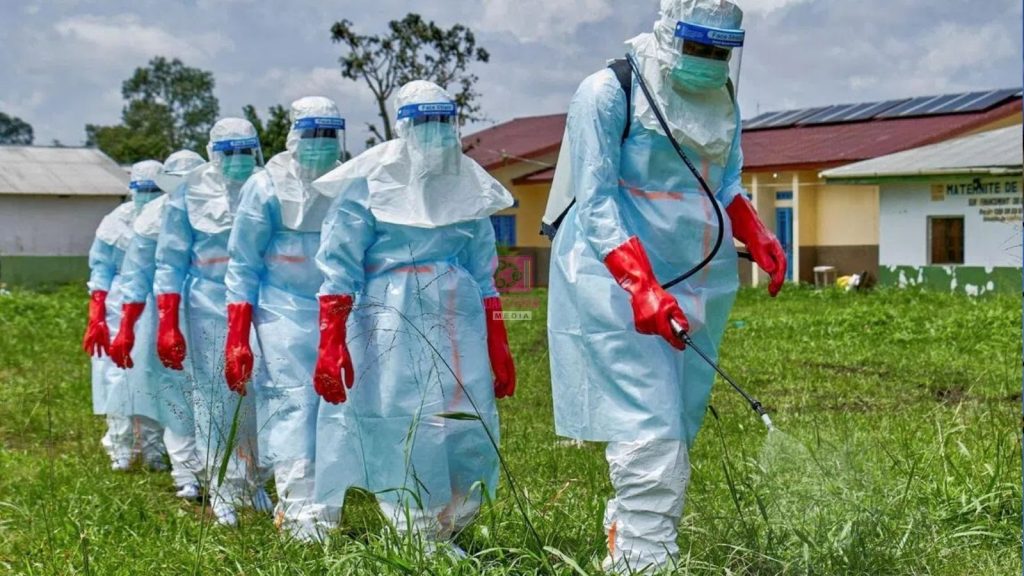
Health authorities have also emphasized the importance of public awareness. Travelers planning to visit regions experiencing Ebola outbreaks are advised to stay informed about local health conditions, avoid contact with sick individuals, practice good hygiene, and follow official travel guidance. Those working in healthcare, humanitarian response, or community outreach are encouraged to use appropriate protective equipment and adhere to infection prevention protocols.
Experts note that fear and misinformation often accompany Ebola outbreaks, sometimes leading to stigma against affected communities or travelers from the region. Public health officials have urged people to rely on verified scientific information rather than rumors, emphasizing that Ebola can be effectively controlled when communities cooperate with health authorities and recommended safety measures are followed.
The latest precautionary measures also highlight the importance of investing in stronger healthcare systems across Africa. Improved disease surveillance, laboratory capacity, trained healthcare personnel, emergency preparedness, and community engagement can help detect outbreaks earlier and limit their spread before they become international public health concerns.
For the Democratic Republic of Congo, continued international support remains crucial. Strengthening healthcare infrastructure, expanding vaccination campaigns, improving access to remote communities, and supporting local health workers will play a significant role in bringing the outbreak under control while protecting vulnerable populations.
Meanwhile, U.S. authorities have reassured the public that the risk of widespread Ebola transmission within the country remains low due to robust public health systems, established infection control procedures, and comprehensive monitoring protocols. The temporary 21-day restriction is intended to reinforce those safeguards rather than signal an immediate public health emergency.
As global health agencies continue monitoring the evolving situation, the focus remains on early detection, rapid response, and international collaboration. Infectious diseases recognize no borders, making cooperation between governments, healthcare institutions, and international organizations essential in preventing outbreaks from escalating into larger global crises.
The temporary restriction on Americans returning from the Democratic Republic of Congo underscores the lessons learned from previous epidemics. By acting cautiously during the early stages of an outbreak, health authorities aim to protect lives, preserve healthcare resources, and minimize the risk of international transmission. While the 21-day waiting period may pose challenges for affected travelers, public health experts maintain that preventive measures remain one of the most effective defenses against the spread of Ebola and other highly infectious diseases.