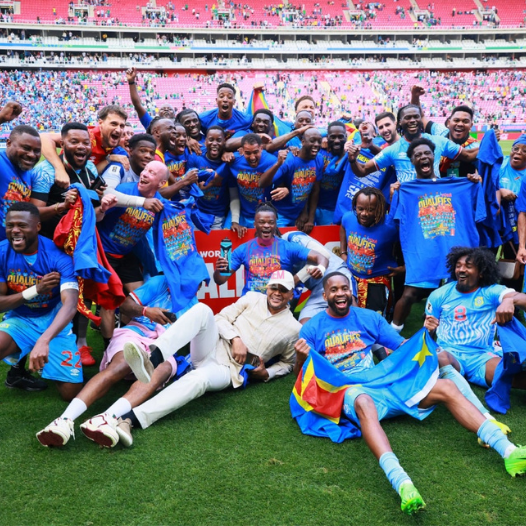
DR Congo ends a 52-year World Cup drought with a historic qualification
The long wait is finally over. The DR Congo national football team has written a historic chapter in African football after securing qualification for the 2026 FIFA World Cup—marking their first appearance on the global stage in more than five decades. For a nation rich in football talent but often overshadowed by inconsistency and administrative challenges, this achievement is more than just qualification; it is a symbol of resilience, revival, and renewed hope.
The last time DR Congo—then known as Zaire—featured at the World Cup was in 1974. Since then, generations of players and fans have dreamed of returning to football’s biggest stage. That dream has now been realized, igniting celebrations across Democratic Republic of the Congo and among Congolese communities worldwide.
This qualification did not come easily. The road to the 2026 tournament, which will be jointly hosted by the United States, Canada, and Mexico, has been fiercely competitive, especially within the African qualifiers under Confederation of African Football. However, DR Congo demonstrated consistency, tactical discipline, and a strong squad depth that proved crucial in overcoming their rivals.
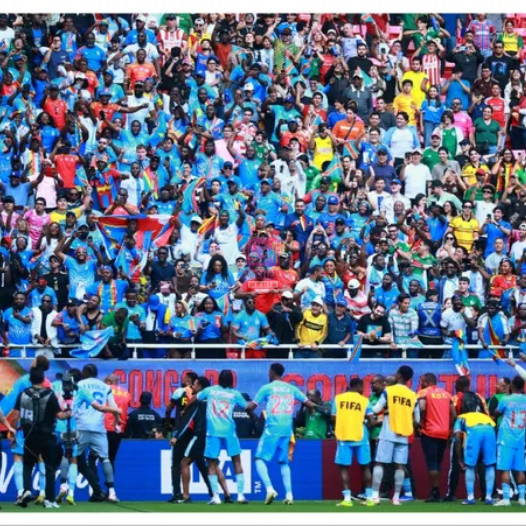
A key factor behind this success has been the emergence of a new generation of talented players, many of whom ply their trade in top European leagues. Players like Cédric Bakambu and Chancel Mbemba have provided leadership and experience, while younger talents have injected energy and creativity into the squad. This blend of youth and experience has created a balanced team capable of competing at the highest level.
Beyond individual brilliance, the team’s unity and improved management structure have played a pivotal role. Over the years, Congolese football has faced challenges ranging from funding issues to administrative instability. However, recent reforms within the Fédération Congolaise de Football Association have helped stabilize the sport and create an environment where players can perform at their best.
The expansion of the World Cup to 48 teams for the 2026 edition has also opened doors for more African nations. Africa now has increased slots, allowing deserving teams like DR Congo to finally break through. This expansion is expected to boost football development across the continent and provide a global platform for emerging football nations.
Historically, DR Congo has been a powerhouse in African football. The nation has won the Africa Cup of Nations twice (1968 and 1974) and has consistently produced world-class players. However, translating continental success into global appearances has been a challenge—until now.
This qualification is not just about football. It carries deep social and cultural significance. In a country that has faced political and economic challenges, football serves as a unifying force. The success of the national team offers a sense of pride and optimism, especially for the youth who see football as a pathway to opportunity.
Looking ahead to the 2026 World Cup, expectations will be high. While DR Congo may not be among the traditional favorites, their journey to qualification proves they are capable of surprising the world. With proper preparation, strategic planning, and continued support, they could become one of the tournament’s most exciting underdog stories.
The global football community will be watching closely as DR Congo prepares to step onto the world stage once again. For the players, it is a chance to showcase their talent; for the fans, it is the fulfillment of a 52-year dream; and for African football, it is yet another sign of the continent’s growing influence in the sport.
As the countdown to the 2026 FIFA World Cup begins, one thing is certain: DR Congo’s return is not just a comeback—it is a statement.