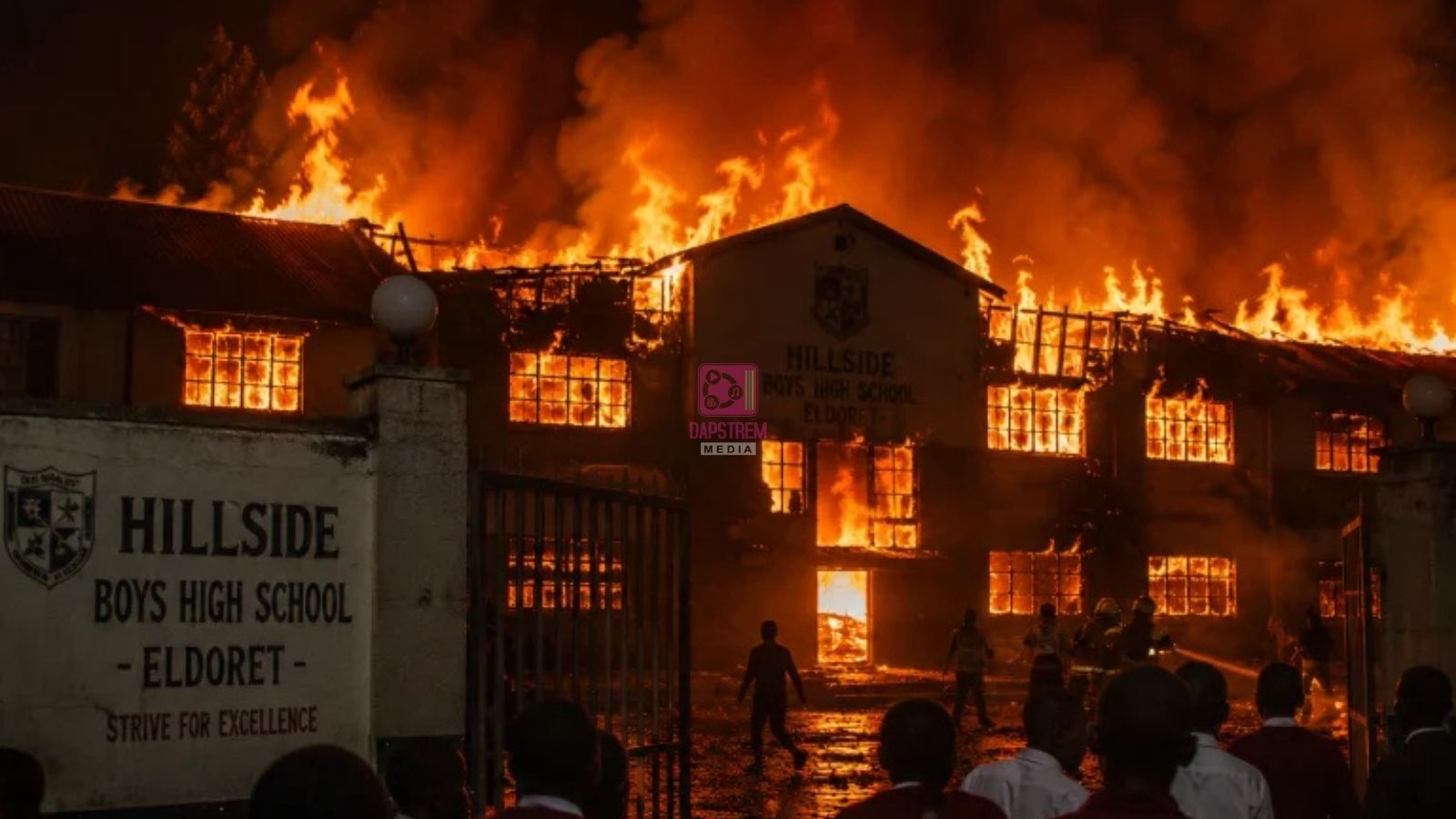
School Fires and Student Strikes Leave Trail of Destruction as Learning Faces Major Disruptions Across Kenya
A fresh wave of student unrest and school fires sweeping across Kenya has once again raised serious concerns about the state of discipline, student welfare, and learning environments in the country’s secondary schools. What began as isolated incidents in a few institutions has evolved into a worrying trend that has disrupted learning, destroyed property worth millions of shillings, forced schools to close indefinitely, and left parents, teachers, and education stakeholders searching for answers.
For many families, the reopening of schools after holidays often comes with hope and sacrifice. Parents work tirelessly to raise school fees, purchase uniforms, and provide necessities to ensure their children receive quality education. However, those dreams are increasingly being shattered by a series of destructive incidents that have become all too familiar in Kenyan schools. Dormitories have gone up in flames, classrooms have been vandalized, and learning programs have been interrupted, leaving thousands of students uncertain about their academic future.
The recent unrest has affected schools in different parts of the country, with reports emerging of students engaging in strikes, arson attacks, and acts of destruction. In some cases, school administrators and education officials have been forced to close institutions indefinitely to prevent further damage and restore order. Such closures often come abruptly, sending students home and disrupting carefully planned academic calendars.
What makes the situation even more concerning is that the unrest comes at a time when students are expected to focus on academics, especially candidates preparing for national examinations. Every day lost due to strikes and school closures represents valuable learning time that may never be recovered. Teachers are forced to adjust lesson plans, students struggle to catch up on missed work, and schools face the difficult task of balancing discipline with academic recovery.
The financial cost of these incidents is enormous. Dormitories, classrooms, laboratories, dining halls, and administration blocks often require millions of shillings to repair or rebuild. These are resources that could otherwise have been invested in improving educational facilities, hiring more teachers, purchasing learning materials, or expanding school infrastructure. Instead, funds are redirected toward repairing destruction caused by unrest.
Parents frequently bear the heaviest burden. In many instances, school boards require parents to contribute towards repairing damaged facilities before students are allowed back into school. This creates additional financial pressure on families already struggling with school fees, the rising cost of living, and other household expenses. For some parents, being asked to pay for damages caused by collective unrest can feel unfair, particularly when their children may not have been involved in the incidents.
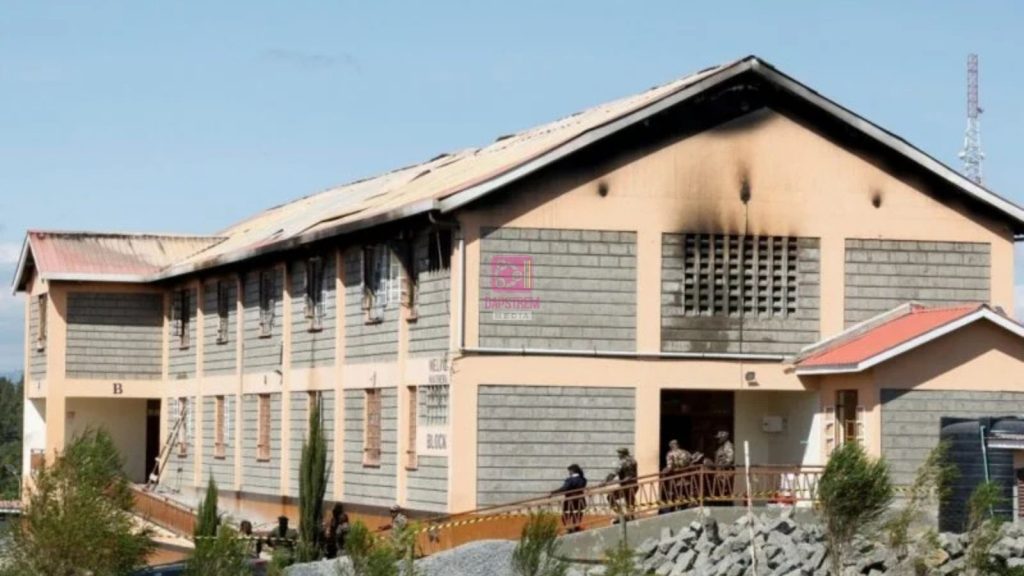
Beyond the financial losses lies an even greater concern—the safety of students. School fires are among the most dangerous forms of unrest because they can quickly turn tragic. Kenya has witnessed painful school fire disasters in the past, incidents that claimed young lives and left lasting scars on families and communities. Every time reports emerge of a dormitory or classroom being set ablaze, memories of previous tragedies resurface, reminding the nation of the potentially devastating consequences.
The question many Kenyans continue to ask is why these incidents keep happening despite years of reforms, investigations, and policy interventions. While each case may have unique circumstances, experts often point to a combination of factors that contribute to student unrest.
One of the commonly cited causes is poor communication between students and school administrations. In some schools, students may feel their concerns regarding meals, academic pressure, school rules, or living conditions are not adequately addressed. When grievances accumulate without effective channels for dialogue, frustration can build and eventually erupt into unrest.
Academic pressure is another factor frequently mentioned in discussions about student discipline. The competition for good grades, university placements, and future opportunities places enormous expectations on learners. Students often face intense pressure from parents, teachers, and society. While many cope successfully, others may struggle with stress, anxiety, and feelings of frustration that can sometimes manifest in negative ways.
The rapid growth of social media and digital communication has also introduced new challenges. Information, rumours, and trends can spread quickly among students, sometimes influencing behaviour across multiple schools. Incidents occurring in one institution may inspire copycat actions elsewhere, creating a ripple effect that fuels unrest beyond a single school.
Mental health has emerged as another important area of concern. Today’s students face numerous pressures that previous generations may not have experienced to the same extent. Academic expectations, family challenges, social pressures, online influences, and uncertainties about the future can affect emotional well-being. When schools lack adequate counselling services and mental health support systems, students may struggle to process these challenges constructively.
Some education stakeholders have also highlighted the changing relationship between schools and students. Modern learners are growing up in a world that values participation, engagement, and expression. Traditional disciplinary approaches that rely solely on authority may no longer be sufficient in addressing contemporary student concerns. Experts increasingly argue that schools must strike a balance between maintaining discipline and fostering open communication.
The impact of school unrest extends far beyond school compounds. Communities often feel the effects long after the flames have been extinguished. Local businesses that supply schools may suffer losses. Teachers experience stress and uncertainty. Parents worry about their children’s safety and academic progress. Students themselves may experience trauma after witnessing acts of destruction or being abruptly sent home.
The disruptions also threaten national education goals. Kenya has invested heavily in improving access to quality education, expanding school infrastructure, and implementing curriculum reforms. Frequent unrest undermines these efforts by diverting resources away from development and towards crisis management.
Education officials have repeatedly emphasized the need for preventive measures rather than reactive responses. While investigations and disciplinary actions remain necessary, many experts believe long-term solutions must focus on understanding the root causes of unrest. This includes strengthening guidance and counselling programs, improving student engagement mechanisms, enhancing communication channels, and creating school environments where learners feel heard and valued.
Parents also have a critical role to play. Education does not begin and end within school gates. Families can support schools by maintaining open conversations with their children, monitoring behavioural changes, reinforcing positive values, and working closely with teachers to address concerns before they escalate.
Religious leaders, community organizations, and policymakers also have important responsibilities in shaping the moral and social development of young people. Building responsible, disciplined, and resilient students requires a collective effort that extends beyond classrooms.
As investigations continue into the recent wave of school fires and unrest, the country faces a critical moment of reflection. The recurring incidents suggest that deeper issues may need to be addressed if lasting solutions are to be found. Simply rebuilding burnt dormitories and replacing damaged property will not be enough. The nation must examine why students continue to resort to destructive actions and what can be done to create healthier, safer, and more supportive learning environments.
Education remains one of Kenya’s most powerful tools for social and economic transformation. Every school fire, every strike, and every day of disrupted learning represents a setback not only for individual students but also for the country’s future. The challenge now is to ensure that schools remain places of growth, opportunity, and safety rather than becoming centres of recurring crisis.
The recent unrest serves as a reminder that protecting education requires more than buildings and policies. It requires understanding students, listening to their concerns, strengthening support systems, and fostering a culture of responsibility and mutual respect. Only through such collective efforts can Kenya hope to break the cycle of school fires and unrest that continues to disrupt learning and threaten the future of thousands of young learners across the country.