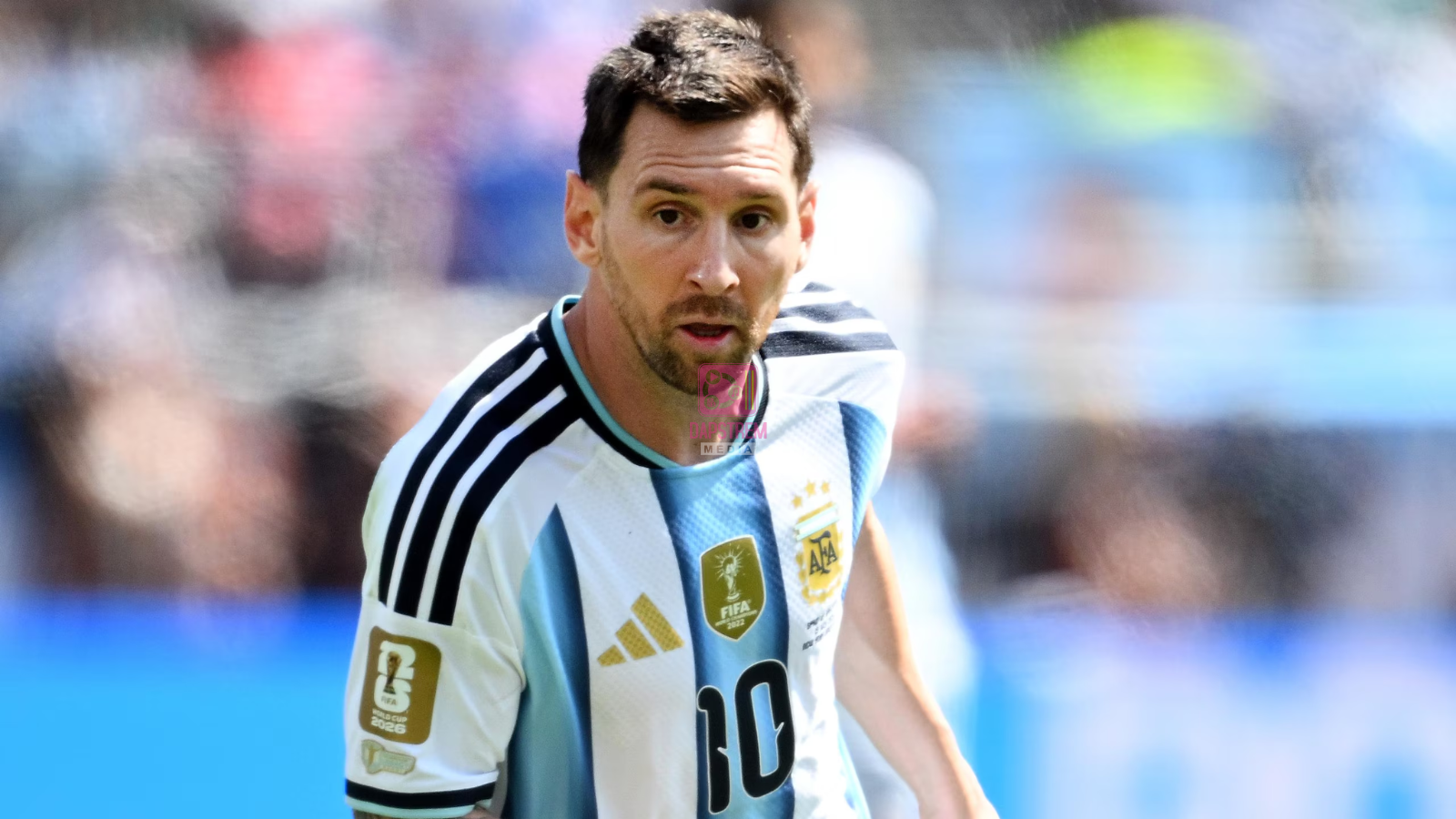
Lionel Messi will wear the Argentina shirt for one final time on October 6, when the world champions face Benin in a friendly at Buenos Aires’ Monumental Stadium, bringing the curtain down on more than two decades of international football.
For Argentina, it will be more than a friendly.
It will be a farewell to the captain who transformed the country’s fortunes, endured years of disappointment and ultimately delivered the trophies that had eluded him.
The Argentine Football Association (AFA) confirmed that Messi has accepted an invitation to make a final appearance for the national team against Benin. AFA president Claudio Tapia said the federation wanted to give its captain the farewell he deserves in front of the home supporters.
The match will be played at River Plate’s Estadio Monumental, a venue capable of holding about 85,000 spectators and one that has deep significance in Argentine football.
Messi is expected to make his 208th and final appearance for Argentina, having already established himself as the country’s most-capped player and record goalscorer with 125 goals.
The end of a 21-year international journey
Messi’s relationship with Argentina began as a teenager.
He made his senior debut in 2005 at the age of 18, beginning an international career that would span more than two decades and include four World Cups, multiple Copa América tournaments and some of the most celebrated moments in the history of Argentine football.
Yet the journey was far from straightforward.
For much of Messi’s early international career, Argentina came close without winning the major trophies. The team reached the 2014 World Cup final, only to lose to Germany, and subsequently suffered defeats in the 2015 and 2016 Copa América finals.
Those setbacks generated intense scrutiny around Messi’s role with the national team.
He briefly announced his international retirement in 2016 following Argentina’s Copa América Centenario final defeat to Chile, before reversing that decision and returning to the team.
The turning point eventually came under coach Lionel Scaloni.
From heartbreak to an era of trophies
Argentina’s transformation began with victory at the 2021 Copa América.
Messi was central to the campaign and finally won his first major senior international trophy with Argentina after years of near misses.
The success changed the atmosphere around the national team.
A year later came the Finalissima victory over Italy, followed by the defining achievement of Messi’s international career: the 2022 FIFA World Cup triumph in Qatar.
Messi scored seven goals during the tournament, including two in the final against France, and converted his penalty during the shootout as Argentina won the World Cup.
The victory completed the major piece missing from his international résumé.
Argentina subsequently won another Copa América in 2024, further strengthening Messi’s place in the country’s football history.
Messi in 22
Argentina reached the final but lost 1-0 to Spain after extra time, ending the team’s campaign without the opportunity to defend its world title.
Messi nevertheless finished the tournament with eight goals and four assists, according to FIFA, and helped Argentina reach the final.
His final World Cup ended differently
The defeat was followed by Messi’s decision to retire from international football.
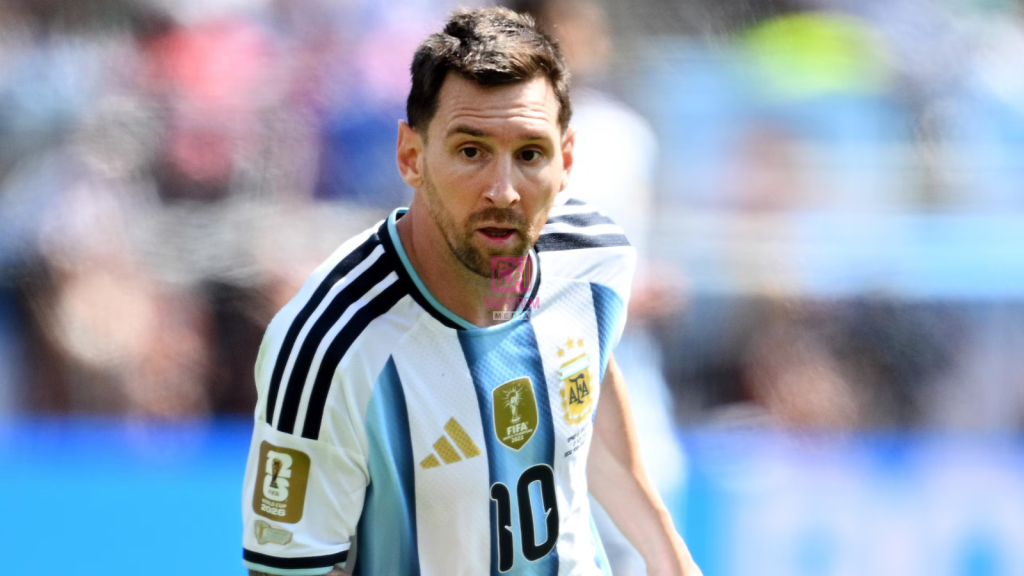
In a message published on August 31, he said the decision was painful but that he believed the time had come to step away from the national team. He also acknowledged the emergence of younger players who deserved opportunities.
His announcement came shortly after the death of his father, Jorge Messi, in August, adding another deeply personal dimension to the end of his international career.
The October 6 match is therefore not being presented as a reversal of Messi’s retirement.
A farewell rather than a comeback
Instead, it is a ceremonial final appearance.
Argentina’s decision to invite him for one last match allows supporters to see their captain in the famous blue-and-white shirt before he formally closes the chapter.
AFA president Tapia described Messi as the national team’s symbol and captain and said the federation wanted him to have a farewell worthy of his contribution.
The federation has also invited members of Argentina’s 2022 World Cup-winning squad and their families to attend the occasion.
That could bring together many of the players who shared the most important chapter of Messi’s international career.
Why Benin?
Benin will provide the opposition on a night in which the result is likely to be secondary to the occasion itself.
The match forms part of a three-game series of friendlies for Argentina following the 2026 World Cup.
Argentina will first face Bolivia in Córdoba on September 30 before meeting Burkina Faso in Buenos Aires on October 3. Messi is not expected to participate in those two matches.
His scheduled appearance is specifically against Benin on October 6.
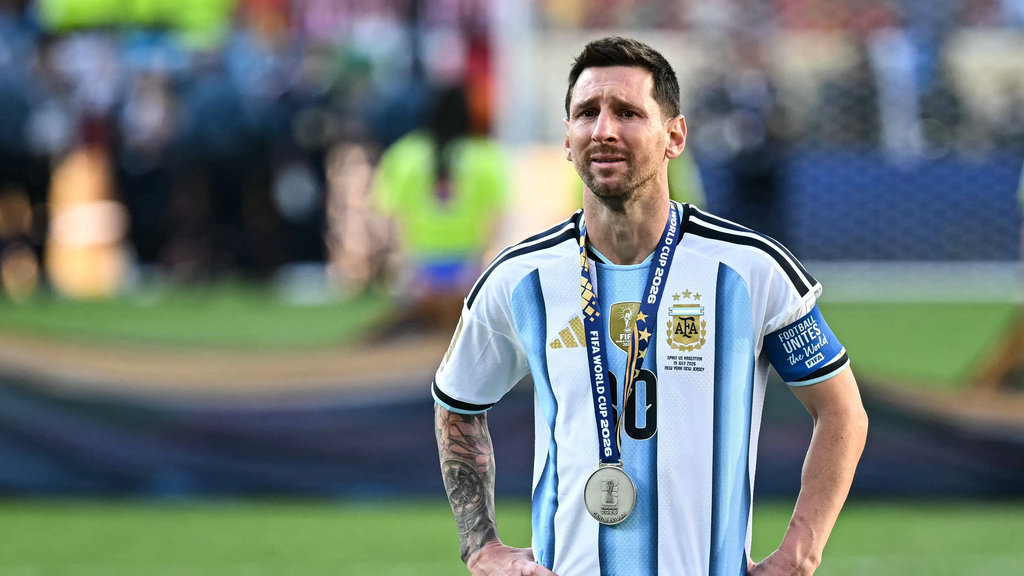
For Benin, the fixture offers an opportunity to face one of football’s most decorated players in a packed Monumental.
For Argentina, it is the setting for the closing scene of the Messi era.
A record that tells only part of the story
Numbers alone cannot fully explain Messi’s influence on Argentina.
His 207 caps before the farewell and 125 international goals are national records.
But his legacy is also reflected in the trophies.
2021 Copa América.
2022 Finalissima.
2022 World Cup.
2024 Copa América.
Those victories changed the narrative surrounding Messi’s international career.
For years, his relationship with Argentina was defined by the question of whether he could reproduce his club success with the national team.
By the time he lifted the World Cup in Qatar, that question had effectively disappeared.
He had become the leader of a generation that restored Argentina to the summit of international football.
Argentina must now look beyond Messi
The farewell also marks the beginning of a new phase for Argentina.
Scaloni’s squad already contains players who have become central to the national team, including Julián Álvarez, Lautaro Martínez, Enzo Fernández and others from the generation that has played alongside Messi.
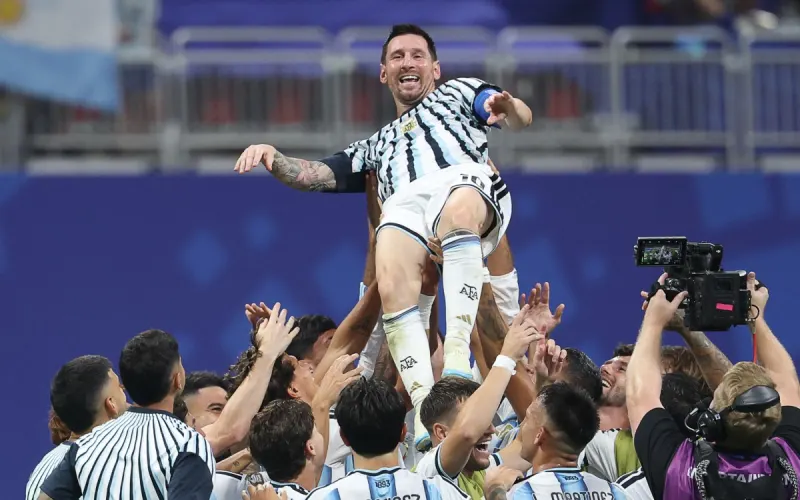
The challenge now is to maintain Argentina’s competitiveness without its most influential player.
Scaloni himself remains part of that uncertainty. His contract expires at the end of 2026, and his future has been the subject of discussion following the World Cup.
For the players coming through, however, October 6 will provide something rare: the chance to share the pitch with Messi for one final international occasion while beginning to establish an identity beyond their legendary captain.
The final chapter at the Monumental
There is a fitting quality to the venue and the occasion.
The Monumental has witnessed generations of Argentine football history. On October 6, it will host another historic moment when Messi walks out in the national colours for what is expected to be the final time.
The 39-year-old has already experienced almost everything international football can offer: painful defeats, personal criticism, retirement and return, continental glory and, ultimately, World Cup triumph.
Now comes the farewell.
The opponent will be Benin.
The competition will be a friendly.
But for Argentine football, the significance will be considerably greater.
After more than 20 years, 207 appearances and 125 goals, Lionel Messi is preparing to say goodbye to the national team on his own terms in Buenos Aires, before the supporters who watched his journey from prodigy to captain, champion and national icon.
October 6 will not be about starting another chapter. It will be about closing one of the greatest chapters in Argentina’s football history.