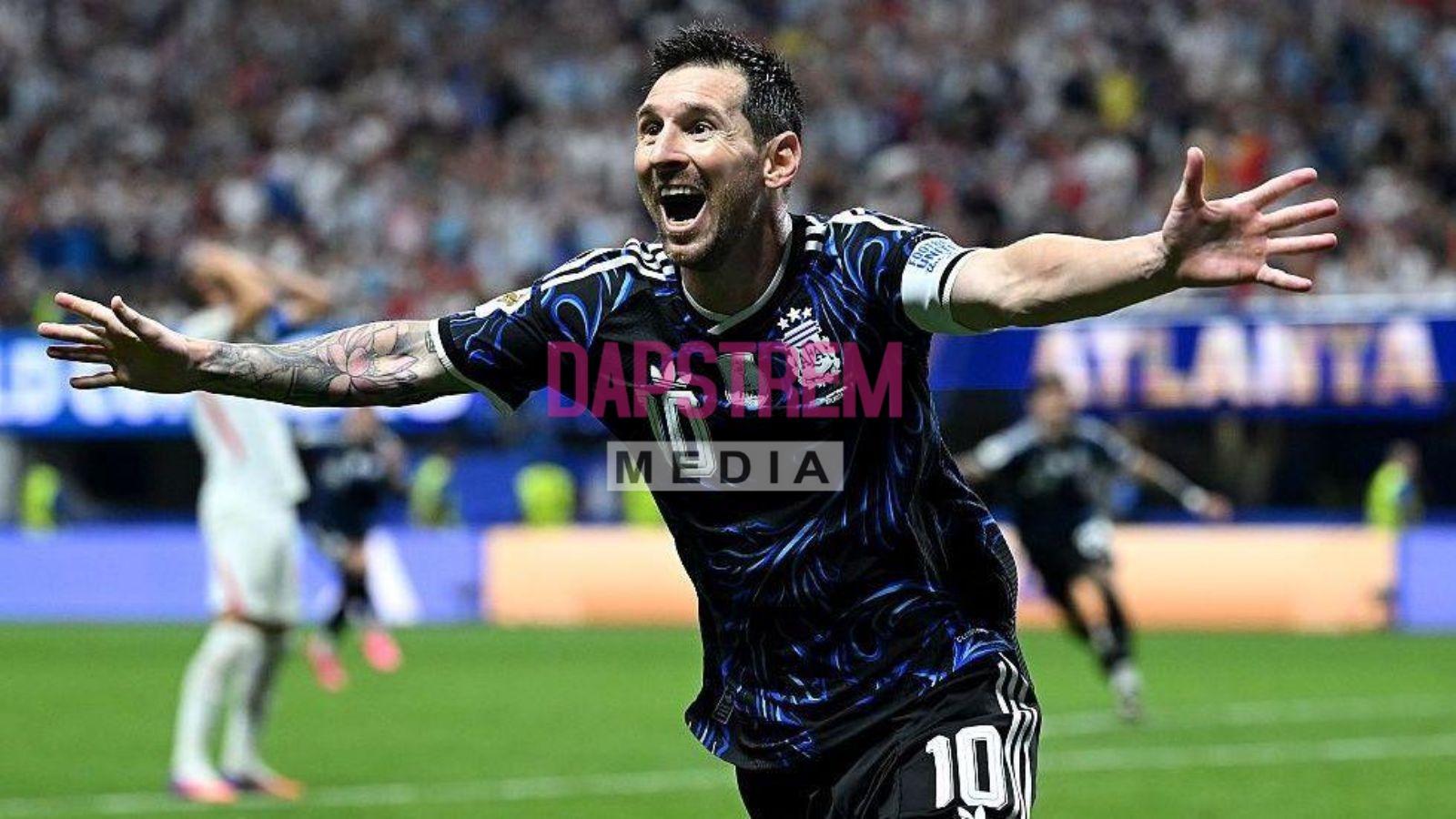
Lionel Messi is preparing to wear the Argentina shirt for the final time on Tuesday, bringing the curtain down on one of the greatest international careers in football history.
The 39-year-old captain will lead Argentina against Benin in a farewell friendly at the Estadio Monumental in Buenos Aires, where around 85,000 supporters are expected to gather for an emotional tribute to a player who transformed his country’s fortunes and eventually became one of its most beloved sporting figures.
Messi officially announced his retirement from international football in August, ending a 21-year journey with Argentina. He leaves as the country’s record appearance-maker and leading scorer, with 207 appearances and 125 goals. He also has 68 assists for the national team.
From criticism to national icon
Messi’s relationship with Argentina was not always as celebrated as it is today.
After moving from Rosario to Barcelona as a teenager, he developed his football career largely in Spain. Although his talent was obvious, there was uncertainty in Argentina about a player who had grown up away from the country’s football system.
When he eventually established himself with the national team, some supporters questioned whether he could reproduce his extraordinary Barcelona performances in the blue and white shirt.
Those doubts intensified after Argentina lost three consecutive major finals the 2014 World Cup final and the 2015 and 2016 Copa America finals.
Messi’s decision to briefly retire from international football after the 2016 Copa America final showed just how deeply the criticism had affected him. But the public reaction was also revealing: Argentines overwhelmingly wanted their captain back.
His return marked the beginning of a remarkable transformation.
The trophies finally arrived
The breakthrough came at the 2021 Copa America, when Messi finally won his first major senior international trophy with Argentina.
That victory changed the narrative around his international career.
A year later came the defining achievement: the 2022 World Cup in Qatar.
Messi scored seven goals during the tournament, including two in the final against France, before Argentina prevailed on penalties. The victory ended a 36-year wait for Argentina’s third World Cup and finally gave Messi the trophy that had eluded him for so long.
He subsequently added another Copa America title in 2024, further strengthening his place among Argentina’s greatest sporting figures.
One final World Cup
Messi’s international career could have ended after Qatar, but he continued to play for Argentina and featured at the 2026 World Cup.
Argentina reached the final again but lost 1–0 to Spain after extra time, denying Messi the perfect farewell on the world’s biggest stage. Nevertheless, his performance across the tournament reinforced the extraordinary longevity of his career.
After the World Cup, questions about his future intensified.
In August, Messi confirmed the decision himself.
He said the decision was painful but that he understood the time had come. He also pointed to the emergence of younger players who deserved opportunities with the national team.
A farewell worthy of the captain
Although Tuesday’s match against Benin is officially a friendly, its significance goes far beyond the result.
The Argentine Football Association invited Messi back for the October international window specifically to give him the farewell it believes he deserves. AFA president Claudio Tapia described Messi as the country’s national-team icon and captain.
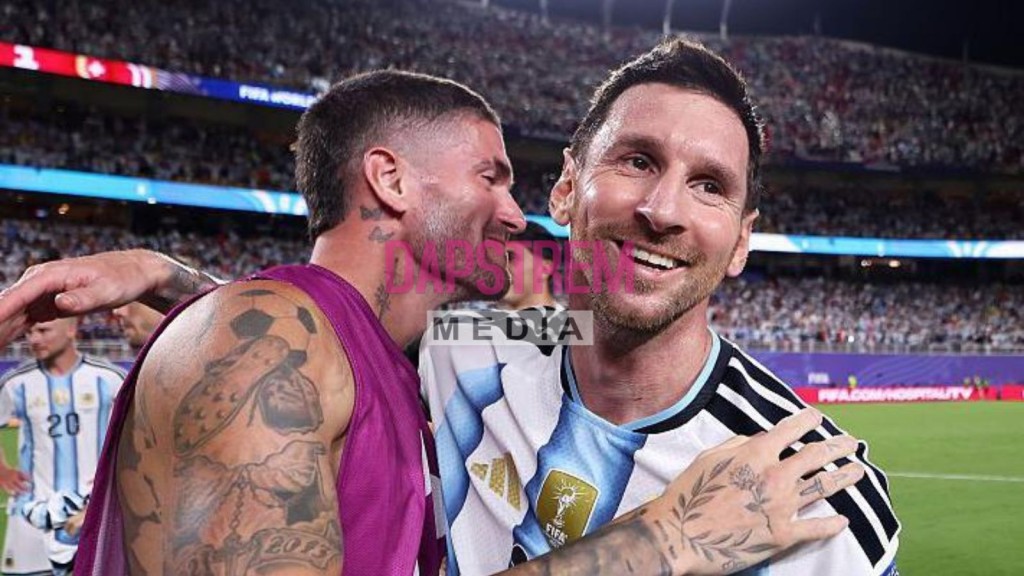
Messi has already appeared in Argentina’s recent farewell fixtures, but Tuesday’s match at the Monumental is expected to be the emotional centrepiece.
After the game, the captaincy is expected to pass to defender Cristian Romero, symbolising the beginning of a new chapter for Argentina. Other members of the next generation, including Alexis Mac Allister, Enzo Fernandez, Julian Alvarez and Lautaro Martinez, will also be part of the transition.
The enormous void Messi leaves
Argentina coach Lionel Scaloni now faces the difficult task of rebuilding a team without the player around whom the national side has revolved for two decades.
Scaloni has acknowledged the size of the challenge, while the emergence of younger stars provides some encouragement for the future.
Yet replacing Messi will be about much more than finding another goalscorer.
He has been Argentina’s creative force, leader, captain and emotional reference point through one of the most successful periods in the country’s football history.
His departure therefore represents the end of an era rather than simply the retirement of another great player.
For years, Argentina supporters questioned whether Messi could deliver the success they expected. He ultimately answered those doubts with a World Cup, two Copa America titles and a generation of unforgettable moments.
On Tuesday, in front of a packed Monumental, the question will no longer be whether Messi did enough for Argentina.
The answer is already written into the history of the national team.
After 21 years, hundreds of matches and countless memories, Argentina will finally say goodbye to its number 10.