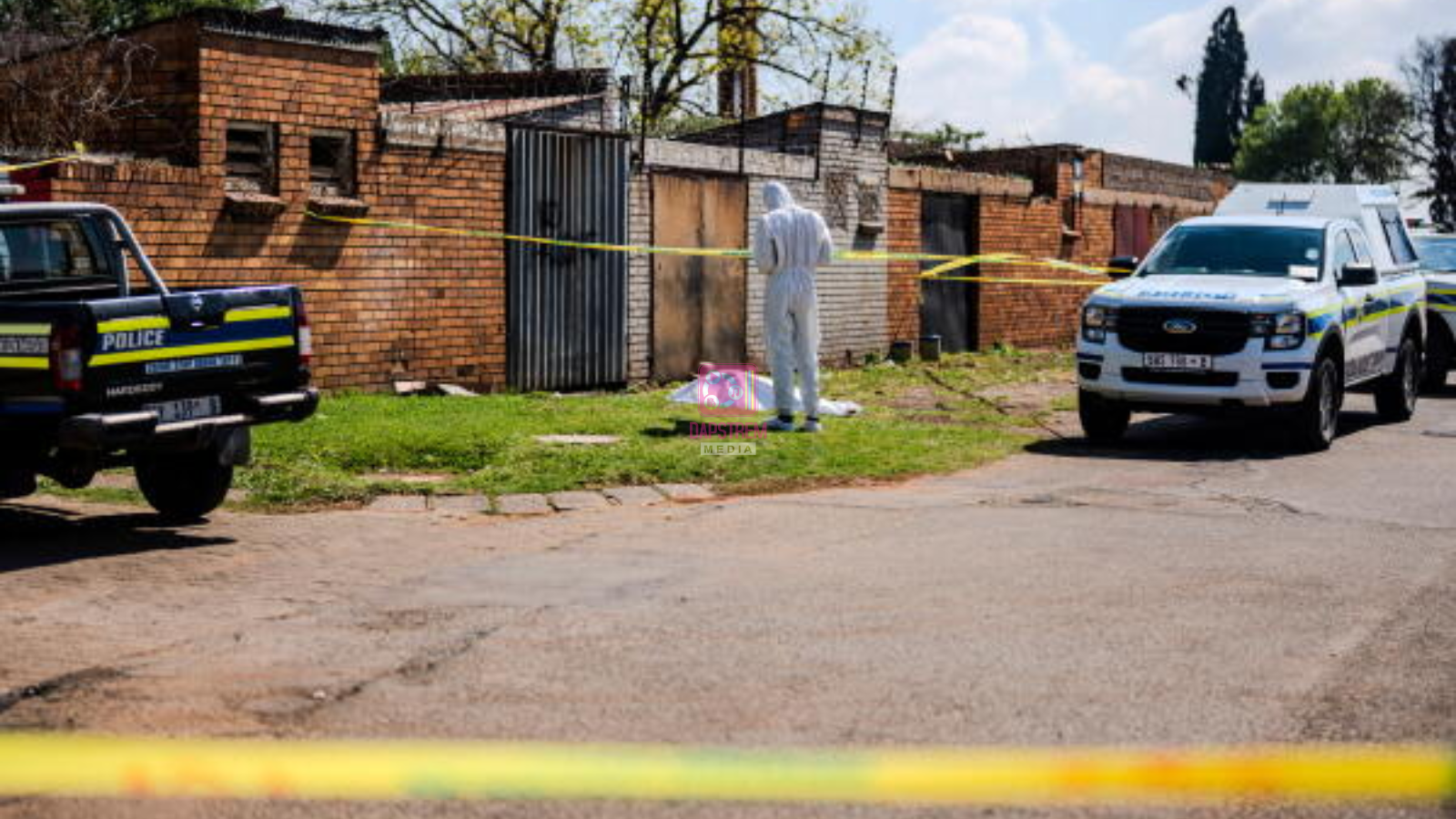
South African authorities have intensified investigations into the deaths of eight women whose bodies have been discovered in and around Ekurhuleni, east of Johannesburg, over roughly two months, amid growing fears about the safety of women in the area.
The discoveries have prompted a high-level police response, increased patrols and a multidisciplinary investigation aimed at determining whether there is a connection between the cases.
Authorities have been careful not to conclude that a single person is responsible.
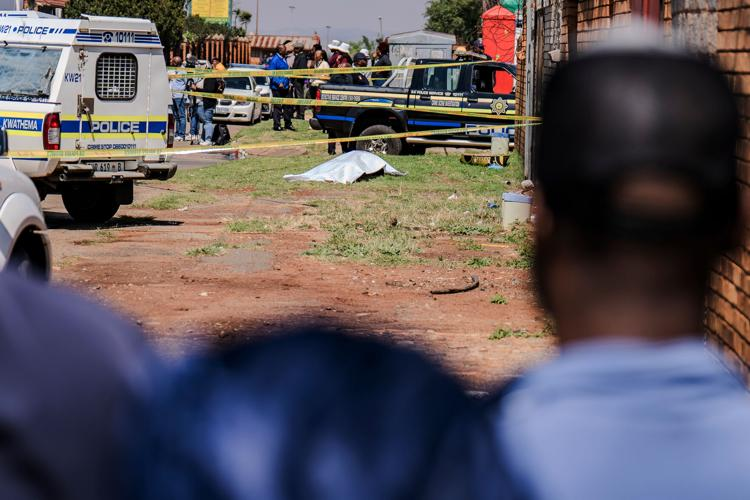
That caution has become particularly important as speculation about a possible serial killer has spread on social media. Police say similarities between some of the cases are being examined, but investigators must establish the facts through forensic and investigative work before declaring the deaths linked.
The latest discoveries have nevertheless transformed what initially appeared to be separate murder investigations into a major public-security concern across Gauteng.
Eight bodies discovered
The first of the cases dates back to July, when the body of a 37-year-old woman was found in an open area near the R21 highway in Kempton Park.
According to police, a suspect was arrested in connection with that case and remains in custody. Police have said the suspect was positively linked to the murder.
As further bodies were discovered in the region, investigators began examining whether the cases shared common characteristics.
By September 14, the South African Police Service (SAPS) said five cases involving women’s bodies had been identified in Ekurhuleni. Police had already formed a multidisciplinary team involving detectives, forensic specialists, tracking teams, K9 units and investigative psychologists.
The number subsequently rose.
A woman believed to be in her thirties was found partially naked beside a road in Olifantsfontein. Another body was discovered in Kwa-Thema, Springs, on September 15, taking the reported total to eight across the wider Ekurhuleni area.
The locations have included Kempton Park, Olifantsfontein, Rhodesfield and Kwa-Thema.
Police investigate possible links
The proximity and timing of the discoveries have raised the question of whether the deaths are connected.
That is now one of the central questions before investigators.
Acting National Commissioner of Police Lieutenant General Puleng Dimpane directed the establishment of a dedicated multidisciplinary team to examine the cases and identify possible links.
The team includes specialised detectives and investigative psychology personnel, among other resources.
Police have said they are analysing victim profiles, suspect profiles, forensic evidence and the circumstances surrounding each death.
But authorities have repeatedly warned against drawing conclusions before the evidence is complete.
On September 14, SAPS said there were similarities that investigators were examining but stressed that it would not confirm a connection until the investigative and forensic processes had been completed.
That distinction matters.
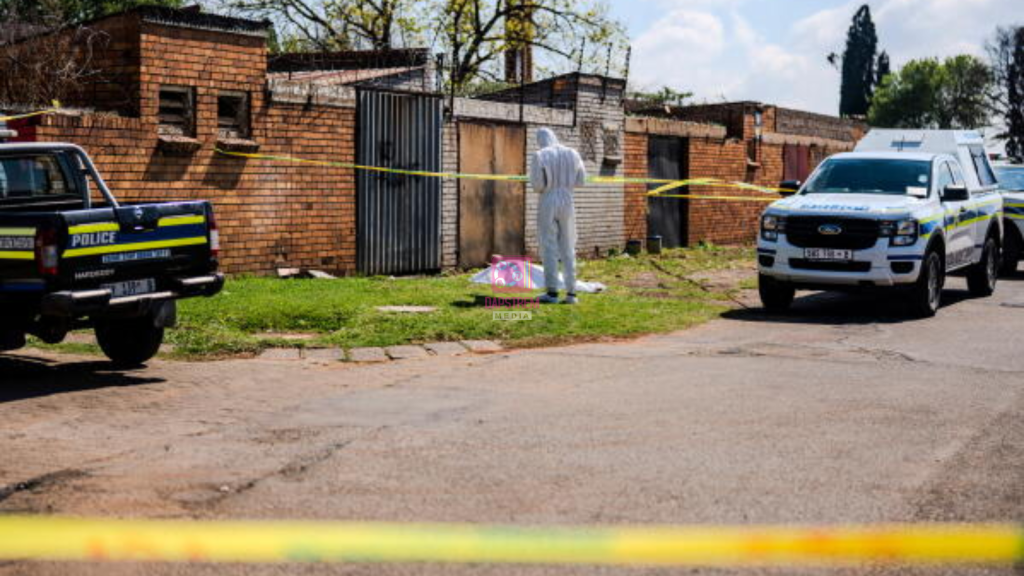
While the discovery of eight bodies in the same broad geographical area over a relatively short period has generated fears of a serial killer, the existence of a serial killer has not been established by police.
Investigators are therefore working with an open question: whether the cases are connected, partly connected or separate crimes.
Elizabeth “Tsontso” Moselakgomo
Among the victims identified publicly is Elizabeth “Tsontso” Moselakgomo, a 38-year-old woman whose death has attracted particular attention.
Her body was positively identified by her family at the Germiston mortuary on September 14, according to SAPS.
Her disappearance had generated concern among members of the running community, with fellow runners joining efforts to locate her.
Her death has since resonated particularly strongly with women who run or exercise outdoors in the affected areas.
The case has become a symbol of the wider anxiety now confronting women in communities around Ekurhuleni, where ordinary activities such as jogging have become associated with heightened concerns about personal safety.
The police have urged women in the affected areas to avoid isolated places and, where possible, to exercise or travel in groups.
Police increase presence
With public anxiety rising, authorities have moved to increase their visibility in the affected communities.
Police and the Ekurhuleni Metropolitan Police Department have increased patrols and operational resources, while specialised units continue working on the investigations.
The government has also announced a R400,000 reward for information that could help investigators solve the cases and make arrests.
Authorities are appealing to residents, motorists, security personnel and anyone who may have witnessed suspicious activity around locations where the bodies were found to come forward.
The investigation is being treated as a priority.
South African President Cyril Ramaphosa has also called for urgent action and said the authorities must leave no stone unturned in determining what happened to the women and bringing those responsible to justice.
A warning against social-media rumours
The growing fear has also produced a second challenge for authorities: misinformation.
Unverified messages have circulated online claiming that a serial killer is operating in areas far beyond Ekurhuleni.
South African police have specifically warned the public against such unverified social-media alerts.
Police in the North West province, for example, recently rejected an online claim that a suspect associated with the Ekurhuleni investigation had been seen in Potchefstroom. Authorities said the claim had not been substantiated.
The warnings highlight the delicate balance facing investigators.
Communities need accurate information about genuine risks, but unverified claims can generate panic, encourage vigilantism and potentially interfere with legitimate investigations.
A wider crisis for South African women
The killings have also reignited debate over South Africa’s long-running struggle with violence against women.
Gender-based violence and femicide remain major public concerns in the country, despite years of government programmes, legislation and national campaigns intended to address the problem.
The Ekurhuleni investigation has therefore taken place against a much broader backdrop.
Women’s rights organisations and activists have argued that the latest deaths cannot be viewed only as isolated criminal cases. They say they reflect continuing concerns about the safety of women in public spaces and the need for more effective prevention, policing and support for victims.
The Commission for Gender Equality has called for urgent safety measures in affected communities, while activists have criticised what they see as an overreliance on statements and campaigns without enough preventive action.
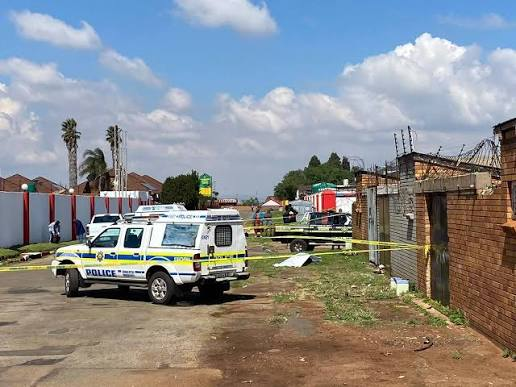
At the same time, investigators still have to establish the facts of each individual case.
That means determining how each woman died, identifying those responsible and establishing whether evidence connects the murders.
What investigators must establish
The investigation now faces several critical questions.
Were the women killed by the same person or group?
Were the bodies deliberately left in similar locations?
Do forensic examinations reveal a common method of killing or other evidence linking the cases?
Did the victims know their attackers?
Were there witnesses, surveillance footage, mobile-phone records or other evidence that could identify suspects?
And perhaps most importantly, could any of the deaths have been prevented?
Police have not publicly answered those questions.
Forensic examinations and detective work will ultimately determine whether the cases form part of a single pattern or represent separate crimes occurring within the same geographical area.
Fear changes everyday life
For residents, however, the uncertainty itself is unsettling.
Women who once ran, walked or travelled alone through parts of Kempton Park and surrounding areas are reconsidering their routines.
The response from the running community following Moselakgomo’s death illustrates how quickly fear can spread beyond the immediate families of victims.
What was once an ordinary morning run can now involve checking routes, sharing locations, finding running partners and avoiding isolated stretches.
Those changes may appear small, but they demonstrate the wider social consequences of violent crime.
A murder does not end with the crime scene.
It changes how communities move, work, exercise and live.
The investigation enters a critical phase
The discovery of the eighth body has increased pressure on investigators to produce answers.
Police have promised an intensive investigation and say they have deployed specialised personnel and additional resources.
The government has backed the operation, while the public has been asked to provide information rather than circulate unverified claims.
For the families of the women, however, the investigation is about more than statistics or theories.
Each case represents a daughter, mother, sister, partner or friend whose life ended violently.
Until investigators establish who was responsible and whether the deaths are connected the central question hanging over Ekurhuleni remains unanswered.
Who killed these women, and why?
South African authorities now face the task of turning growing public fear into evidence, arrests and, ultimately, answers for the families waiting for justice.