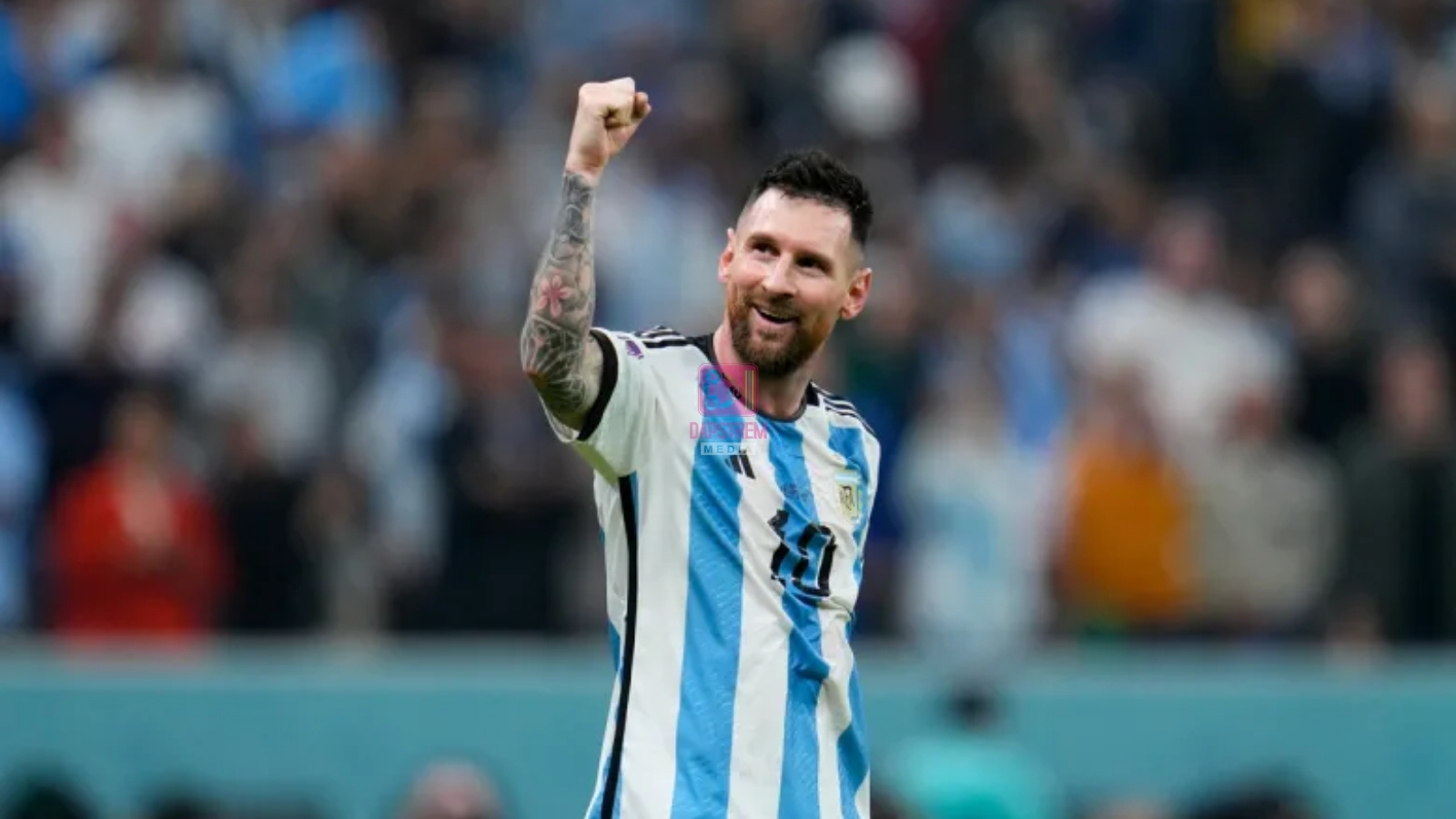
Lionel Messi has announced his retirement from international football, bringing an extraordinary 21-year journey with Argentina to an emotional close.
At 39, Messi leaves the national team as Argentina’s record appearance-maker and leading scorer, with 207 caps and 125 goals. His final appearance came in the 2026 World Cup final, where Argentina lost 1–0 to Spain after extra time.
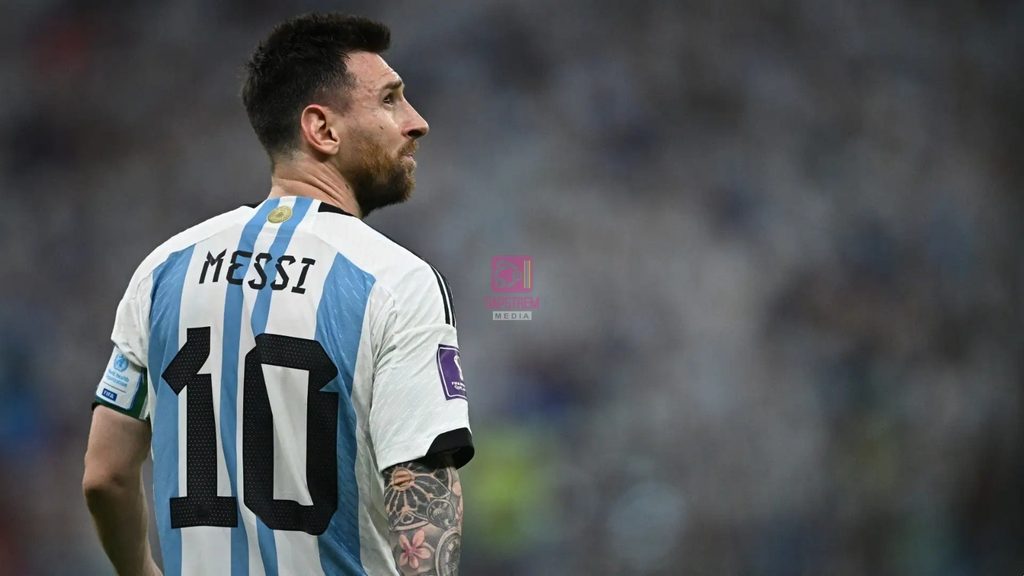
The decision was revealed on August 31 through an emotional handwritten message shared on Instagram. Messi said the decision was painful but acknowledged that the time had come to close one of the most important chapters of his life.
Messi had apparently made up his mind shortly after the World Cup final. FIFA reports that he wrote his farewell message on July 21, two days after Argentina’s defeat by Spain. The recent death of his father, Jorge Messi, on August 8 further reinforced his decision.
From Heartbreak to Glory
Messi’s relationship with the Argentina national team was not always an easy one.
For years, his international career was defined as much by disappointment as by brilliance. Argentina lost the 2014 World Cup final to Germany and suffered defeats in the 2015 and 2016 Copa América finals. Following the 2016 defeat, Messi briefly announced his retirement from international football before eventually returning.
His return changed everything.
In 2021, Messi finally won his first major senior international trophy when Argentina defeated Brazil in the Copa América final. A year later came the defining achievement of his career: the 2022 World Cup in Qatar.
Messi scored seven goals during that tournament and inspired Argentina to victory over France in a dramatic final. The triumph transformed the narrative surrounding his international career and cemented his place alongside Argentina’s greatest footballing legends.
He would add another Copa América title in 2024, giving Argentina a remarkable run of major international success.
One Last World Cup
Messi’s final international tournament was the 2026 World Cup.
Argentina reached the final once again, giving Messi an opportunity to finish his international career with another world title. Instead, Spain won 1–0 after extra time.
It was a painful ending, but reaching the final at 39 underlined the extraordinary longevity of Messi’s career. He had appeared at six World Cups, winning one and finishing runner-up twice.
Rather than attempting to extend his career toward another tournament, Messi chose to step away.
“I Have Nothing Left to Give”
The most striking part of Messi’s farewell was its personal tone.
He expressed his enduring love for Argentina and insisted that he had always given everything to the national team, including during the difficult years before the trophies finally arrived.
He also pointed toward the future, acknowledging that a new generation of Argentine players deserves an opportunity to represent the country.
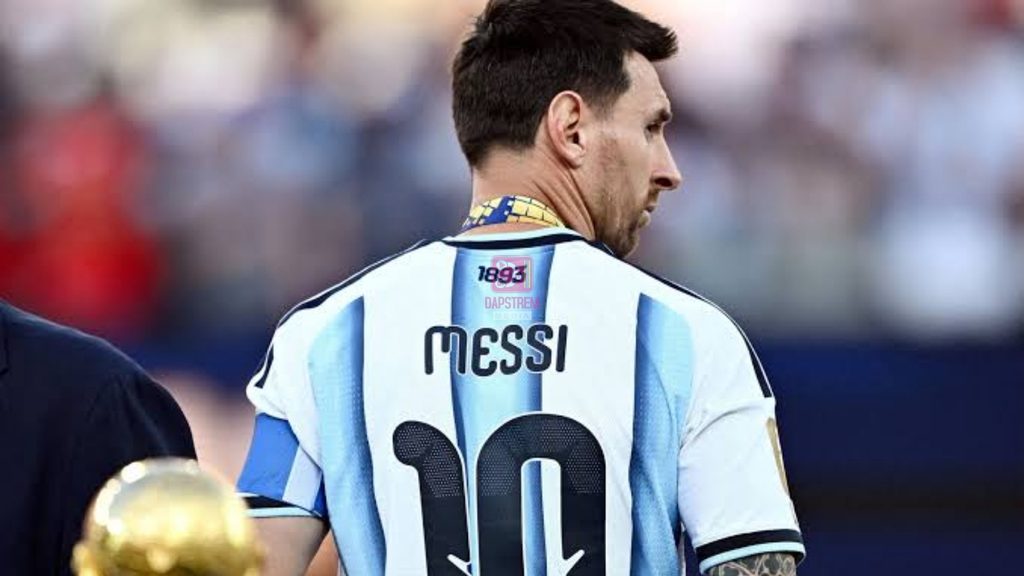
That sentiment captures the significance of Messi’s decision. This is not simply the retirement of a footballer from international competition. It is the closing of an era.
For more than two decades, Argentina’s national team was inseparable from the image of its No. 10.
A Legacy That Goes Beyond Numbers
Messi’s international statistics tell only part of the story.
His 125 goals and 207 appearances make him Argentina’s all-time leader in both categories. He won the 2022 World Cup, Copa América titles in 2021 and 2024, and the 2022 Finalissima. Before becoming a senior international star, he also won the 2005 FIFA Under-20 World Cup and Olympic gold with Argentina in 2008.
But perhaps his greatest achievement was changing the way Argentina viewed him.
For years, comparisons with Diego Maradona created enormous expectations. Every defeat brought renewed criticism. Every missed opportunity became another argument that Messi could never reproduce Maradona’s greatest achievement.
Then came Qatar.
When Messi lifted the World Cup trophy in 2022, much of that debate finally disappeared. He had achieved the one prize that had seemed to define his international legacy.
The End of an Era
Messi’s retirement does not mean the end of his football career. He remains active at club level with Inter Miami, meaning supporters can still watch him play even though his Argentina career is over.
For Argentina, however, the search for life after Messi begins now.
The national team must eventually find a new leader, a new creative force and a new face for an era that has been dominated by one extraordinary player.
Messi leaves behind more than trophies and records. He leaves behind memories of the player who endured years of disappointment, returned when he could have walked away, and ultimately delivered Argentina the World Cup it had been waiting for.
His international career began in 2005.
It ends with 207 appearances, 125 goals, three major senior international trophies and a World Cup title.
And perhaps most importantly, it ends with Messi finally able to say that he gave everything to the blue-and-white shirt.
The era of Argentina’s No. 10 is over. The legacy remains.