Sierra Leone Drops Treason Charges Against Former President Ernest Bai Koroma Over Health Concerns
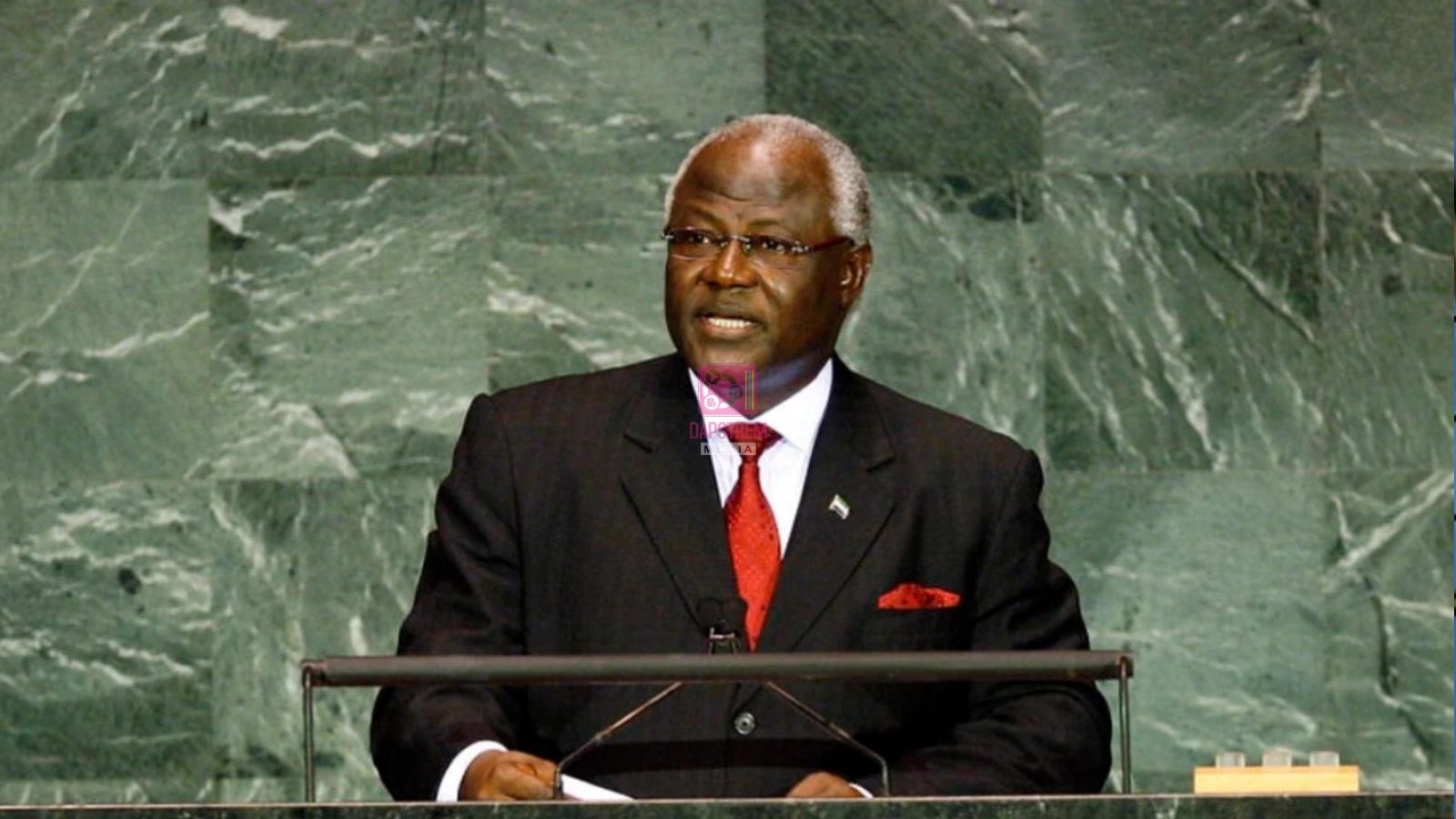
Sierra Leone has taken a significant step in one of its most closely watched political and legal cases after authorities dropped treason charges against former President Ernest Bai Koroma, citing concerns over his health. The decision marks a major turning point in a case that has dominated national discourse for months and attracted widespread attention from political observers, legal experts, regional leaders, and the international community.
The move has sparked mixed reactions across Sierra Leone, with supporters of the former president welcoming the decision as a humanitarian gesture while others continue to emphasize the importance of accountability and the rule of law. Despite differing opinions, many agree that the development could ease political tensions and contribute to national dialogue at a time when the country continues to strengthen its democratic institutions.
Ernest Bai Koroma, who served as Sierra Leone’s president from 2007 to 2018, remains one of the country’s most influential political figures. During his decade in office, he oversaw significant infrastructure projects, economic reforms, and efforts to rebuild the country following years of civil conflict. His presidency also coincided with one of Sierra Leone’s greatest public health crises—the devastating Ebola outbreak that claimed thousands of lives and tested the resilience of the nation’s healthcare system.
Following the end of his presidency, Koroma continued to play an active role in Sierra Leone’s political landscape through the opposition All People’s Congress (APC) party. However, his political future came under intense scrutiny after he was charged with treason in connection with allegations linked to an attempted coup that shook the country.
The attempted coup, which resulted in deadly clashes between security forces and armed assailants, raised serious concerns about national security and political stability. Authorities launched extensive investigations aimed at identifying those responsible for planning and supporting the attack. As investigations progressed, prosecutors alleged that the former president had links to individuals involved in the events, leading to his indictment on treason-related charges.
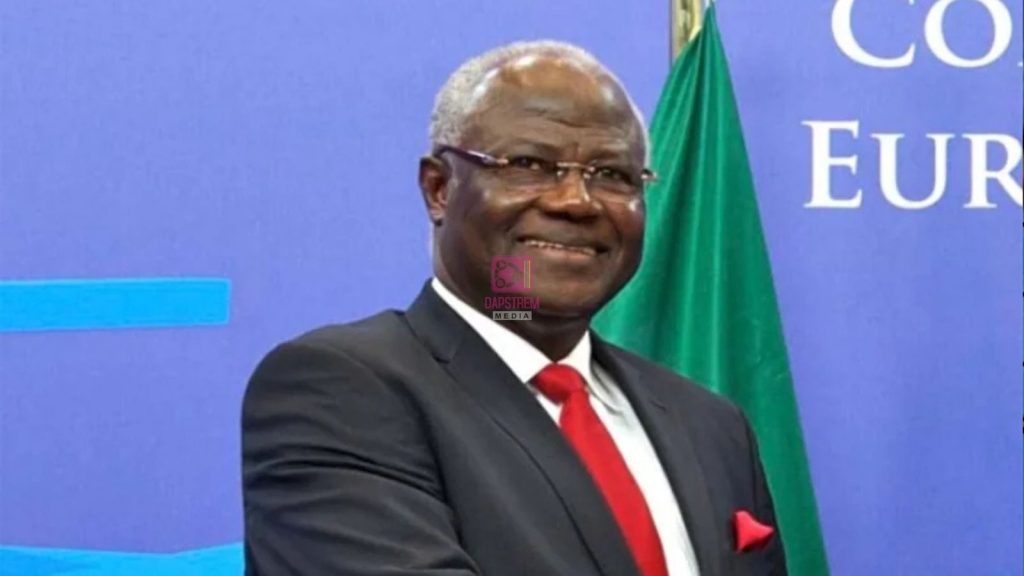
Koroma consistently denied all allegations, maintaining his innocence throughout the legal process. His legal team argued that the charges lacked sufficient evidence and insisted that the former president had no involvement in any attempt to overthrow the government. The case quickly evolved beyond a legal matter, becoming one of the most politically sensitive issues in Sierra Leone’s recent history.
Political analysts noted that the prosecution of a former head of state represented a rare and highly consequential development in West Africa, where former leaders are seldom subjected to criminal proceedings of such magnitude. The case generated debate over accountability, political reconciliation, constitutional governance, and the independence of judicial institutions.
Authorities have now announced that the decision to discontinue the treason case was primarily influenced by Koroma’s deteriorating health. Officials indicated that humanitarian considerations made it appropriate to withdraw the charges, allowing the former president to continue receiving specialized medical care.
Health concerns have increasingly become central to discussions surrounding Koroma’s legal situation in recent months. Reports indicated that he required ongoing medical treatment, prompting calls from family members, political allies, religious leaders, and civil society organizations for compassionate consideration of his condition.
The government’s decision reflects a balance between legal processes and humanitarian obligations. While prosecutors possess the authority to pursue criminal cases, governments are also expected to consider exceptional medical circumstances, particularly when dealing with elderly individuals or those facing serious health challenges.
Supporters of the former president have welcomed the announcement, describing it as a victory for compassion and justice. Many expressed hope that the development would reduce political polarization and create space for national reconciliation after months of heightened political tension.
Within the APC, party officials praised the decision and reiterated their confidence in Koroma’s innocence. They argued that the withdrawal of charges removes a significant obstacle to political dialogue and national unity while allowing the former president to focus entirely on his recovery.
However, not everyone shares the same perspective. Some citizens and civil society groups have questioned whether dropping the charges could undermine efforts to establish accountability for the events surrounding the attempted coup. They argue that investigations into threats against constitutional order should continue regardless of the status of any individual suspect.
Legal experts note that withdrawing charges against one individual does not necessarily end broader investigations into the alleged coup attempt. Authorities may continue pursuing other suspects where evidence exists, while maintaining their commitment to protecting constitutional governance and national security.
The case has also attracted considerable international attention. Regional organizations, diplomatic missions, and development partners have consistently encouraged Sierra Leone to uphold due process, judicial independence, and respect for human rights throughout the legal proceedings. Many observers emphasized that transparent legal processes remain essential in maintaining public confidence in democratic institutions.
Sierra Leone has made significant democratic progress since emerging from its devastating civil war in 2002. Successive peaceful elections, constitutional reforms, and strengthened institutions have helped the country rebuild public trust and attract international investment. Nevertheless, political competition has occasionally generated tensions that require careful management to preserve national stability.
The decision to withdraw the treason charges comes at a time when many African countries are increasingly emphasizing political dialogue as a means of resolving disputes. Across the continent, governments, opposition parties, religious leaders, and civil society organizations have continued advocating for peaceful engagement rather than prolonged political confrontation.
Observers believe the latest development could open opportunities for broader national conversations aimed at strengthening democratic governance, promoting reconciliation, and reducing political divisions. Constructive dialogue between political leaders remains critical for maintaining peace and ensuring that electoral competition does not undermine institutional stability.
Koroma’s legacy remains complex and continues to shape political debate in Sierra Leone. During his administration, the country experienced major infrastructure development, expansion of road networks, increased investment in energy projects, and improvements in several public institutions. At the same time, his presidency faced criticism over governance challenges, corruption concerns, and economic difficulties.
His leadership during the Ebola epidemic remains one of the defining chapters of his presidency. The crisis required unprecedented coordination between government agencies, international organizations, healthcare workers, and development partners. Although Sierra Leone suffered significant losses, the country’s eventual recovery demonstrated the resilience of its institutions and communities.
For President Julius Maada Bio’s administration, balancing justice with national cohesion continues to be an important governance challenge. The government has repeatedly affirmed its commitment to constitutional order, accountability, and the rule of law while emphasizing the importance of preserving peace and stability.
The decision to discontinue the treason case may also influence Sierra Leone’s broader political climate ahead of future electoral processes. Political stability remains a key factor in attracting investment, promoting economic growth, and strengthening public confidence in state institutions.
International investors and development partners closely monitor governance developments because political certainty often influences investment decisions, economic cooperation, and long-term development planning. Stable democratic institutions are widely regarded as essential foundations for sustainable economic progress.
For ordinary Sierra Leoneans, however, immediate priorities often extend beyond political disputes. Many citizens remain focused on employment opportunities, healthcare services, education, infrastructure, food security, and improving living standards. They hope political leaders across the spectrum will prioritize national development while maintaining peaceful coexistence.
The withdrawal of the treason charges therefore represents more than a legal decision involving a former president. It highlights the complex intersection of justice, politics, humanitarian considerations, and national reconciliation. It also demonstrates the difficult choices governments sometimes face when balancing legal accountability with compassion for individuals facing serious health challenges.
As Sierra Leone moves forward, attention is likely to shift toward strengthening democratic institutions, promoting inclusive dialogue, and maintaining public confidence in the justice system. While opinions on the decision remain divided, many citizens share the hope that the country will continue building a future defined by peace, constitutional governance, and respect for the rule of law.
The government’s decision to drop the treason charges against former President Ernest Bai Koroma over health concerns closes one chapter in a politically significant case while opening another focused on reconciliation, institutional stability, and national unity. How Sierra Leone navigates the aftermath of this decision may shape both its political landscape and democratic trajectory for years to come.