
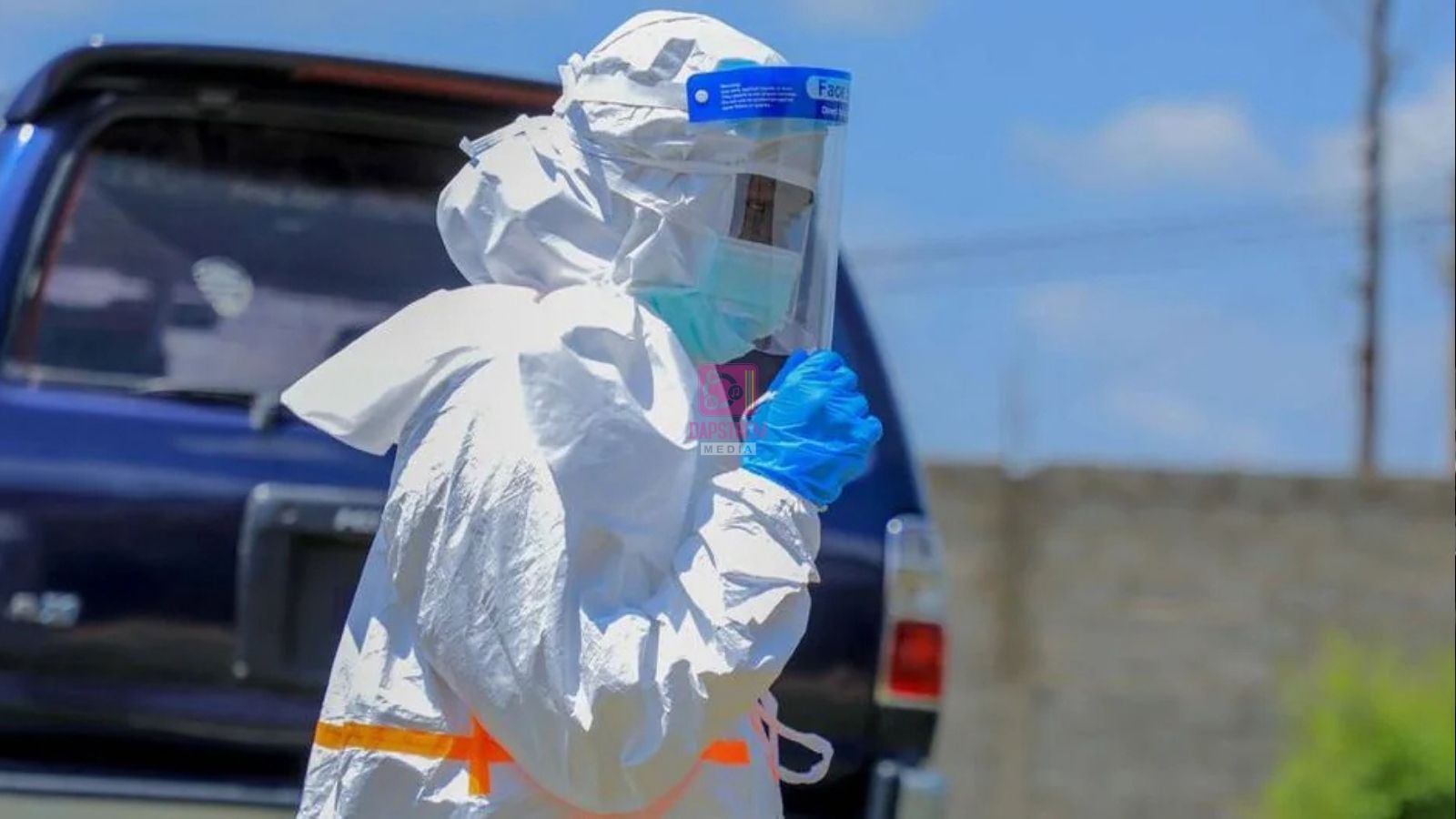
Katiba Institute Challenges Government Over U.S.-Backed Ebola Quarantine Facility in Kenya’s High Court
Tensions are mounting over the establishment of a U.S.-backed Ebola quarantine and treatment facility in Kenya after the Katiba Institute filed an urgent application at the High Court seeking contempt proceedings against the government. The constitutional watchdog argues that state agencies may have proceeded in disregard of prior legal and constitutional obligations, raising fresh questions about transparency, public participation, and national sovereignty in the handling of sensitive health infrastructure projects.
The case has quickly drawn public attention due to the nature of the facility in question. Ebola, one of the world’s most dangerous viral diseases, has historically triggered global alarm due to its high mortality rate and rapid transmission in outbreak settings. The idea of establishing a dedicated quarantine and treatment center—especially one supported by foreign partners—has therefore become a subject of both public health interest and constitutional scrutiny.
At the heart of the legal challenge is Katiba Institute’s claim that government officials may have failed to comply with constitutional requirements before moving forward with the project. The organisation, known for its work in defending constitutionalism and good governance, argues that such a facility cannot be introduced without strict adherence to legal procedures, including adequate public participation and parliamentary oversight where necessary. According to the application filed at the High Court, the manner in which the project was approved or implemented could amount to contempt if it is found that existing court directions or constitutional provisions were ignored.
The dispute is now before the Katiba Institute and the High Court of Kenya, placing the matter squarely within Kenya’s constitutional and judicial framework. Legal analysts note that contempt proceedings are among the strongest tools available to enforce compliance with court orders, and if granted, they could lead to serious consequences for government officials found to have acted in violation of the law.

While the government has defended its broader health preparedness agenda in past statements, details surrounding the Ebola facility remain limited in the public domain. It is not yet fully clear which specific agreements were signed, how the project was structured, or the extent of U.S. involvement in funding or technical support. However, references to a “U.S.-backed” arrangement have intensified political and legal scrutiny, particularly given Kenya’s history of engaging with international partners in disease surveillance and emergency health response.
Public health experts argue that Kenya, like many countries in the region, has been strengthening its capacity to respond to infectious disease outbreaks following global lessons learned from Ebola outbreaks in West Africa and the COVID-19 pandemic. Isolation units, quarantine centers, and rapid response laboratories are increasingly viewed as essential components of national preparedness systems. However, experts also caution that such facilities must be developed in line with strict ethical, legal, and governance standards to maintain public trust.
Critics of the project, including civil society groups aligned with Katiba Institute’s position, are questioning whether the government adequately informed the public about the project’s scope, location, safety protocols, and long-term implications. They argue that health infrastructure of this sensitivity should not be implemented without transparent consultation processes, especially when it involves international partners and potentially high-risk pathogens.
The legal filing also raises broader constitutional questions about how Kenya balances national security, public health, and citizen participation. Under the Constitution, significant government projects—particularly those that may affect communities or involve international agreements—are generally expected to undergo public participation. Failure to do so can render decisions vulnerable to legal challenge.
In recent years, Kenya has witnessed a growing number of court cases where civil society organisations have challenged government decisions on grounds of procedural impropriety. These cases often revolve around environmental concerns, land use, procurement processes, and constitutional compliance. The current dispute adds a public health dimension to this trend, highlighting the increasing role of the judiciary in shaping how state institutions implement large-scale projects.
If the High Court agrees to hear the contempt application, the case could set an important precedent on how far government agencies can go in implementing international health collaborations without full procedural compliance. It could also clarify the extent to which foreign-backed health initiatives must be subjected to domestic oversight mechanisms.
At the same time, supporters of stronger disease preparedness warn against allowing legal disputes to delay critical health infrastructure. They argue that Ebola and other infectious diseases require rapid response systems, and bureaucratic delays could leave the country vulnerable in the event of an outbreak. From this perspective, the challenge lies in balancing urgency with legality.
The controversy also reflects a broader global debate about the role of foreign partnerships in domestic health systems. International collaboration has played a crucial role in improving disease surveillance, vaccine distribution, and emergency response capabilities across Africa. However, such partnerships often raise questions about ownership, control, and accountability, particularly when facilities are physically located within sovereign territories.
Kenya’s position as a regional hub for health innovation and disease surveillance has made it a key partner for international agencies, including those from the United States and other Western nations. But with increased collaboration has also come increased scrutiny from civil society groups seeking to ensure that national interests and constitutional safeguards are not compromised.
For now, all eyes are on the judiciary as it considers whether the government’s actions warrant contempt proceedings. The outcome could have significant implications not only for the Ebola facility project but also for future international health collaborations in Kenya.
As the case unfolds, it is likely to deepen public debate on how Kenya manages the intersection of law, public health, and international cooperation. At its core, the dispute is about more than just one facility—it is about the processes that govern how major national decisions are made, and whether those processes fully reflect the principles of transparency, accountability, and constitutional compliance.
In a country where public trust in government projects is often closely tied to openness and participation, the High Court’s decision will be closely watched. Whether the Ebola facility proceeds as planned or is reshaped through legal and constitutional scrutiny, the case underscores the growing power of Kenya’s legal institutions in shaping national policy directions.