
Matatu operators declare nationwide strike and 50% fare hike as rising fuel prices push transport costs to unsustainable levels across Kenya.
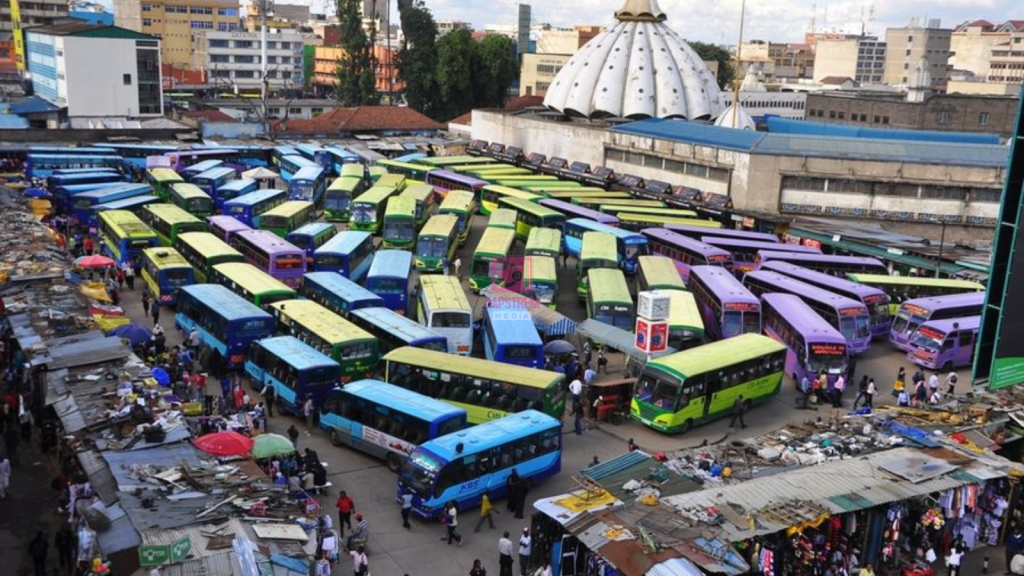
Matatu operators across the country have announced a dramatic 50% increase in fares and a nationwide strike set to begin on Monday, in response to the escalating fuel prices that have pushed transport costs to what they describe as “unsustainable levels.” The announcement has sent shockwaves through commuters who rely heavily on public transport, especially in urban centers like Nairobi, Mombasa, Kisumu, Nakuru, and Eldoret, where matatus remain the backbone of daily mobility.
The operators, speaking through their various SACCO leadership structures and transport associations, say the decision was not made lightly but has become necessary due to continuous increases in diesel and petrol prices over recent months. According to them, the cost of operating matatus has risen sharply, with fuel now consuming the largest share of daily earnings, leaving little to no profit for drivers and vehicle owners.
In recent fuel reviews by the Energy and Petroleum Regulatory Authority (EPRA), diesel prices have surged to record highs, while petrol has also climbed significantly. Since diesel is the primary fuel used by most matatus, any increase directly affects fares and operational viability. Operators argue that they have absorbed multiple price hikes over time without adjusting fares proportionately, but the current levels have made it impossible to continue operations under the existing pricing structure.
Under the new proposed fare structure, commuters could see transport costs double on many routes. For example, a journey that previously cost Sh100 could rise to around Sh150, while longer inter-city routes could experience even steeper increases. This adjustment, according to operators, is meant to offset fuel expenses, maintenance costs, spare parts, insurance, and other regulatory charges that continue to rise alongside fuel prices.
The planned nationwide strike adds another layer of pressure. If implemented, it could see matatus withdrawn from roads across major towns, effectively paralyzing public transport. This would significantly affect millions of Kenyans who depend on matatus for commuting to work, school, markets, and hospitals. The timing of the strike has raised concerns, as it comes during a period when households are already struggling with high food prices, electricity costs, and general inflation.
Matatu associations have accused both fuel regulators and government agencies of failing to cushion operators and commuters from global fuel shocks. They argue that while international oil prices and exchange rate fluctuations are beyond local control, the heavy taxation on fuel in Kenya has worsened the situation. Taxes such as VAT, the Road Maintenance Levy, Railway Development Levy, and other charges embedded in fuel prices significantly increase the final pump cost, making Kenya one of the most expensive countries in the region for fuel.
Operators also point to rising costs in vehicle maintenance and spare parts, many of which are imported and priced in foreign currency. The weakening of the Kenyan shilling has further increased the cost of importing essential parts, making it more expensive to keep matatus on the road. In addition, insurance premiums and daily SACCO contributions have added further financial pressure on operators already struggling with fuel costs.
Commuters, on the other hand, are bracing for what could be another painful adjustment in their daily budgets. Many Kenyans rely on matatus as their only affordable means of transport, and a 50% fare increase would significantly reduce disposable income. Workers may find themselves spending a larger portion of their salaries on transport, while students and small traders could be forced to adjust their routines or reduce travel altogether.
In Nairobi, where traffic congestion already stretches commute times, the impact of a strike would be immediate and severe. Businesses could experience delayed staff arrivals, reduced productivity, and disruptions in supply chains. Essential services such as hospitals and emergency response systems could also be indirectly affected if staff are unable to access transport.
The government is now expected to respond to the announcement, with pressure mounting on transport authorities and EPRA to engage stakeholders and possibly prevent a full-scale strike. In the past, such disputes have often led to last-minute negotiations, temporary fare adjustments, or government assurances aimed at stabilizing the sector.
However, analysts note that the current situation reflects a deeper structural issue in Kenya’s transport and energy sectors. The country remains heavily dependent on imported fuel, exposing it to global price fluctuations and currency volatility. At the same time, public transport systems are largely informal and fragmented, making regulation and pricing coordination difficult.
Some policy experts have called for long-term solutions such as investment in electric mobility, expansion of commuter rail systems, and restructuring of fuel taxation to ease pressure on consumers. Others argue that without immediate relief measures, both operators and commuters will continue to face recurring cycles of fare hikes and transport disruptions every time fuel prices rise.
As Monday approaches, uncertainty continues to grow. Commuters are already making alternative arrangements, with some considering walking longer distances, carpooling, or adjusting work schedules. Meanwhile, matatu operators remain firm in their position, insisting that without a review of fuel prices or operating costs, the 50% fare hike and strike will proceed as planned.
The situation now places Kenya at a critical point where transport affordability, fuel pricing, and economic pressure intersect. What unfolds in the coming days will not only affect daily commutes but could also spark a wider national conversation about the sustainability of public transport in a high-cost fuel economy.