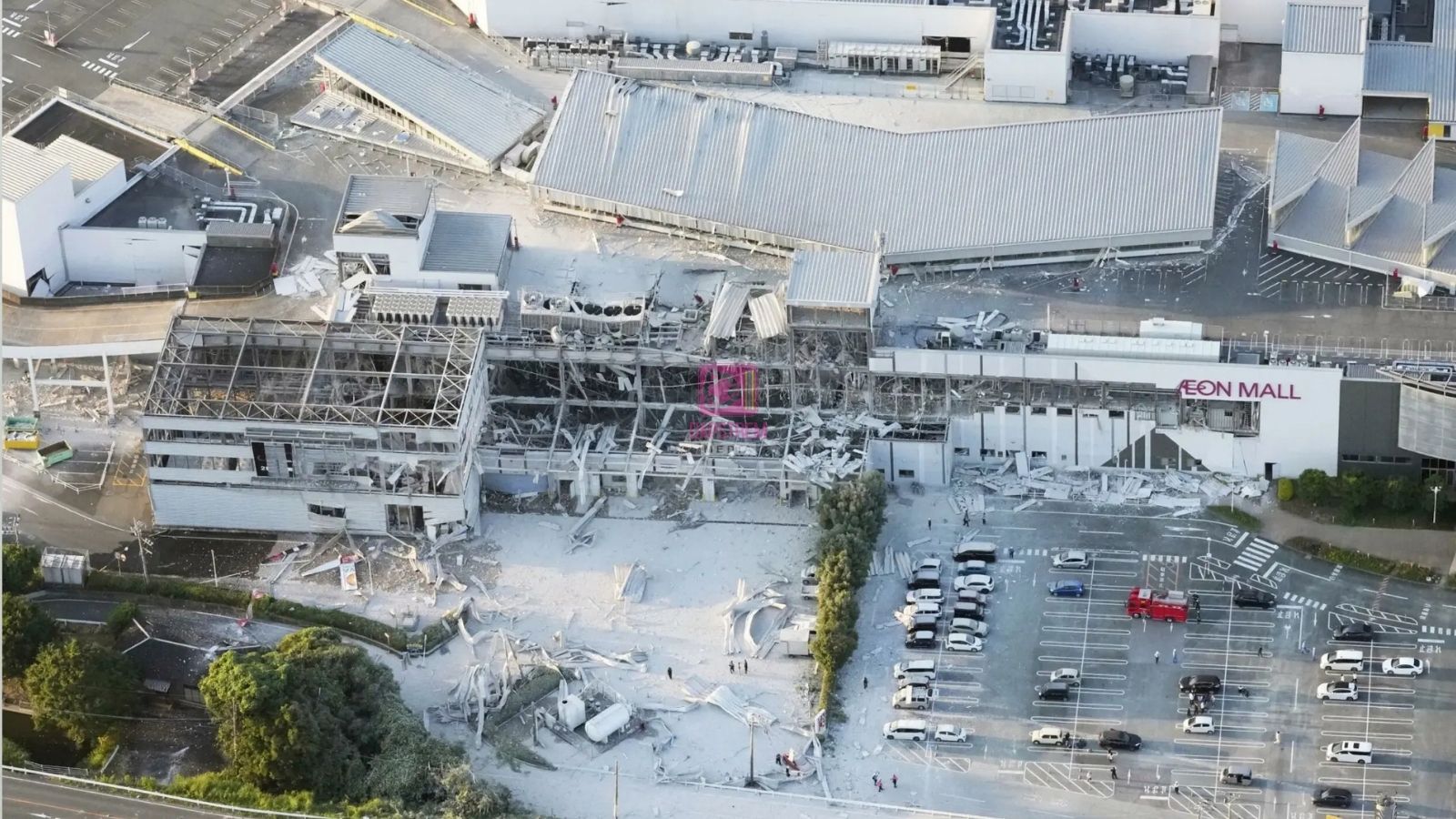
13 Confirmed Dead After Powerful Earthquake Strikes Japan’s Kumamoto Region
A powerful earthquake has struck Japan’s Kumamoto Prefecture, leaving at least 13 people confirmed dead and many others injured as emergency responders continue search and rescue operations in affected communities. The disaster has caused widespread destruction to homes, roads, and public infrastructure, prompting authorities to launch a large-scale emergency response while urging residents to remain alert for aftershocks.
The earthquake, which shook communities across the Kumamoto region, sent terrified residents rushing out of homes, schools, offices, and shopping centres as buildings swayed violently. The tremor was felt across several neighbouring prefectures, disrupting transport services, damaging critical infrastructure, and triggering concerns over the safety of thousands of people living in the affected areas.
As rescue teams worked through the rubble, officials confirmed that at least thirteen people had lost their lives, with fears that the death toll could rise as search operations continue. Emergency personnel, firefighters, police officers, military units, and medical teams have been deployed across the disaster zone to search for survivors trapped beneath collapsed buildings while providing urgent medical care to the injured.
Authorities have appealed for calm while assuring the public that every available resource has been mobilized to assist victims and restore essential services. Temporary evacuation centres have been established to accommodate families forced to flee damaged homes, while humanitarian agencies have begun distributing food, clean drinking water, blankets, medicine, and other emergency supplies.
Eyewitnesses described moments of panic as the ground shook unexpectedly. Many residents reported hearing loud rumbling sounds before buildings began shaking violently, causing furniture to topple, windows to shatter, and power lines to sway. In several neighbourhoods, people were forced to abandon their homes immediately as cracks appeared in walls and roads.
The earthquake also disrupted transportation across parts of Kumamoto. Rail services were suspended to allow engineers to inspect railway tracks for structural damage, while several highways and local roads were temporarily closed due to landslides, cracked pavement, and concerns over bridge safety. Motorists were advised to avoid unnecessary travel as authorities continued safety assessments.
Power outages affected thousands of households shortly after the earthquake, while telecommunications networks experienced temporary disruptions due to damaged infrastructure and increased demand. Utility companies immediately dispatched repair crews to restore electricity, water supply, and communication services as quickly as possible.
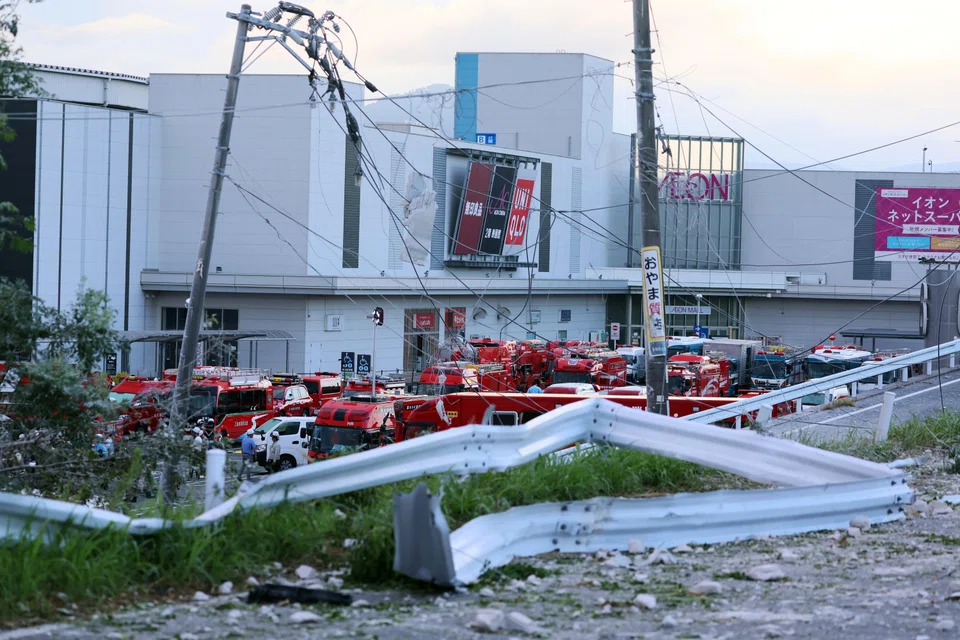
Hospitals across the region activated emergency response plans to receive injured victims. Medical teams worked around the clock treating patients suffering from fractures, cuts, trauma, and other earthquake-related injuries. Healthcare facilities also prepared for additional casualties as rescue operations continued into the night.
Schools and public institutions in the affected areas suspended normal operations while structural engineers assessed buildings for safety. Authorities emphasized that damaged structures should not be re-entered until professional inspections confirm they are safe for occupation.
Japan’s Prime Minister expressed condolences to the families of those who lost their lives and pledged full government support for rescue and recovery efforts. National disaster management agencies have been placed on high alert, coordinating closely with local authorities to ensure that emergency assistance reaches affected communities without delay.
The government has also called on residents to remain vigilant because significant aftershocks often follow major earthquakes. Disaster management officials warned that weakened buildings may collapse if additional tremors occur, urging people to avoid unstable structures and follow official evacuation instructions where necessary.
Japan is internationally recognized for having one of the world’s most advanced earthquake preparedness systems. Strict building regulations, sophisticated seismic monitoring technology, and regular disaster preparedness drills have significantly improved the country’s ability to respond to earthquakes and reduce casualties. Nevertheless, powerful earthquakes continue to pose enormous risks because of the country’s geographical location along the Pacific Ring of Fire.
The Ring of Fire is one of the most seismically active regions on Earth, stretching around the Pacific Ocean where several tectonic plates meet. Constant movement beneath the Earth’s surface frequently produces earthquakes and volcanic eruptions, making Japan one of the countries most vulnerable to seismic activity.
Over the decades, Japan has invested heavily in earthquake-resistant construction techniques designed to help buildings withstand powerful tremors. Modern engineering standards require many structures to incorporate flexible foundations, reinforced steel frameworks, and advanced shock-absorbing technologies capable of minimizing structural damage during seismic events.
Despite these advances, extremely powerful earthquakes can still overwhelm infrastructure and cause devastating destruction, particularly in older buildings that may not fully meet modern construction standards. Landslides, falling debris, fires, and infrastructure failures remain major hazards following significant earthquakes.
Emergency responders continue working under difficult conditions, carefully searching collapsed buildings for signs of life. Rescue teams equipped with specialized equipment, search dogs, drones, thermal imaging cameras, and heavy machinery have been deployed to locate survivors trapped beneath debris while minimizing additional risks to both victims and rescuers.
Community volunteers have also joined recovery efforts by assisting displaced families, distributing relief supplies, and helping emergency workers identify vulnerable residents requiring immediate assistance. Such community solidarity has often played a crucial role during previous natural disasters in Japan.
The earthquake is expected to have significant economic consequences as authorities begin assessing the full extent of the damage. Preliminary reports indicate that residential buildings, commercial properties, roads, bridges, schools, hospitals, and public utilities have all suffered varying degrees of destruction. Comprehensive inspections will determine repair costs and guide reconstruction planning in the coming weeks.
Insurance companies have likewise begun preparing for a substantial number of claims from homeowners and businesses affected by the disaster. Government agencies are expected to introduce emergency assistance measures to support families whose homes have been damaged or destroyed.
The disaster also serves as another reminder of the importance of disaster preparedness in earthquake-prone regions. Experts continue encouraging households to maintain emergency supplies including drinking water, food, flashlights, batteries, first aid kits, portable radios, and emergency contact information. Families are also advised to establish evacuation plans and identify safe gathering points before disasters occur.
International leaders have extended messages of sympathy to the Japanese people while expressing support for ongoing rescue and recovery efforts. Countries with close diplomatic relations with Japan have indicated their readiness to provide assistance should additional humanitarian support become necessary.
Scientists from the Japan Meteorological Agency continue closely monitoring seismic activity in the region. Their analysis will help authorities determine whether heightened risks of further aftershocks remain and guide ongoing public safety advisories. Residents have been encouraged to rely only on official information sources to avoid misinformation during the emergency.
As search and rescue operations continue, families across Kumamoto remain hopeful that more survivors may still be found beneath the rubble. Emergency teams are racing against time, aware that the first few days following a major earthquake are often the most critical for locating and rescuing trapped victims.
The tragedy has once again demonstrated both the destructive power of natural disasters and the resilience of the Japanese people. Communities across the affected region have come together to support one another, while emergency personnel continue risking their lives to save others and restore normalcy.
Ultimately, the earthquake that struck Kumamoto has left a trail of grief and destruction, claiming at least thirteen lives and disrupting thousands more. As rescue operations continue and damage assessments become clearer, attention will gradually shift toward rebuilding homes, restoring infrastructure, and helping affected families recover from one of the region’s most devastating natural disasters. While the road to recovery may be long, Japan’s extensive disaster response experience, resilient institutions, and strong sense of community are expected to play a vital role in helping Kumamoto rebuild in the weeks and months ahead.